History · Drama · Adventure
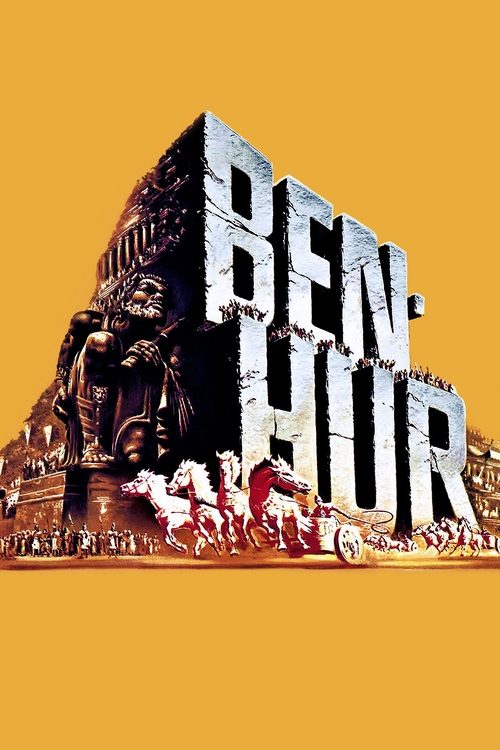
Ben-Hur
American
1959 · Directed by William Wyler · 212 min


History · Drama · Adventure
American
1959 · Directed by William Wyler · 212 min
Meaning, unpacked
Central idea
The film explores how private hatred and the pull of vengeance play out against empire and faith. It can be read as a story about whether a man consumed by revenge can be restored to compassion.
What it means
Ben-Hur asks a hard question: can a man consumed by revenge be brought back to compassion? Judah is betrayed by his old friend Messala, loses years as a slave, and comes home to settle the score in the arena. That outline is all the story you need. What matters is what the film does with it.
Start with the friendship. In a few quiet scenes you see the warmth between Judah and Messala, and then the divide. The break is political, not just personal: each man stands for the world he belongs to, and neither can step outside it. Behind them sits Rome, shown as order, wealth and cruelty all at once, while Judah's Jewish faith is tested by loss, not simply affirmed. His search for his mother and sister gives the revenge its stakes, and in the end its meaning. At the crucifixion and the rain, Wyler's direction turns most restrained, and Judah's question changes from vengeance to mercy.
Why it mattered
In late 1959 Ben-Hur was a major event. It was MGM's biggest success in years and a huge hit worldwide. The studio had filmed the story as a silent in 1925, a famously expensive production, and this version was partly an attempt to repeat that triumph. It belongs to the widescreen roadshow era, when Hollywood answered television with scale, length and big-event release.
What set it apart was how it made scale feel real. Robert Surtees shot in 65mm, filling a very wide frame with detailed sets and crowds while keeping faces central in the intimate moments. The arena was built outside Rome and is said to have been the largest film set built up to that time. The race was rehearsed for months and its stunt work was real. Wyler, known for patient, actor-centred drama, kept dialogue scenes as weighty as the action. Critics praised the scale, the race and the performances, though some found the piety slow and the length heavy.
Before anyone tells you what to think: what did you make of it?
Log in to rate it and leave commentsIt takes one click with Google or an email link. You come straight back here.
Rate it, keep your notes, and find the next film.
Free, no ads. Your journal, your lists, a Cine Guide that remembers you.
Create your free spaceThe film won eleven Academy Awards from twelve nominations, including Best Picture, Director, and Actor for Charlton Heston. Its race became the model for later action set pieces, from the pod race in Star Wars to the arena in Gladiator. Its blend of personal revenge story and historical spectacle shaped the epics that followed. For decades it was an Easter television ritual, and the name itself became shorthand for sprawling, expensive spectacle.
Today its standing as a craft landmark has only grown, especially the race and Wyler's handling of the actors. Its theology and gender politics now draw more criticism, and a 2016 remake did not find a comparable audience. Still, it is regarded as the high point of the Hollywood epic. Perhaps that is its real achievement: after all that scale, what stays with you is a quiet moment of rain.
What happens
After the race, Judah finds his mother and sister living as lepers. At the crucifixion, a storm breaks, and they are healed. Judah, freed from his hatred, takes his family home. Messala's death has not settled anything; mercy does.
The last image
The rain washes over the hills as Judah, now at peace, returns home with his healed family.
What it says
Winning the race does not heal Judah; only the crucifixion and the rain do. The ending turns the story's question from vengeance to mercy, and it ends quietly because that is where the film believes restoration lies, not in spectacle.
Or follow an idea from this film

Explore the era or movement
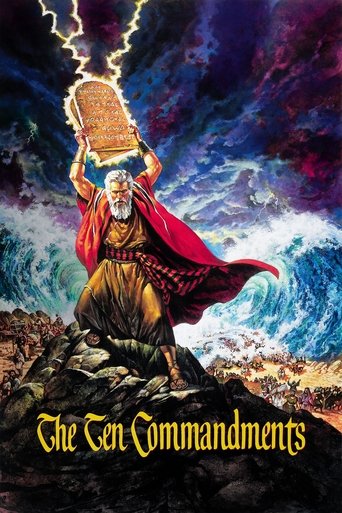
The Ten Commandments (1956)
The other great biblical epic of the era, also with Charlton Heston, and a useful contrast of DeMille's showmanship with Wyler's character focus.
See what influenced it
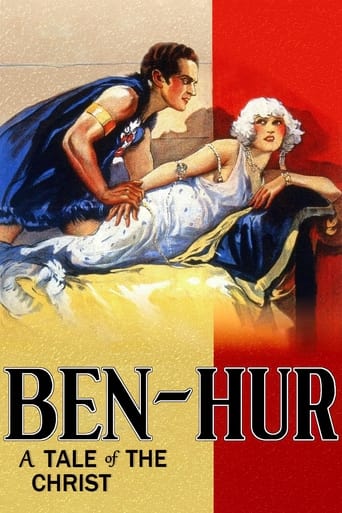
Ben-Hur (1925)
The silent version of the same story shows how the tale and its spectacle were first imagined, and how much the later film expanded them.
Jump forward
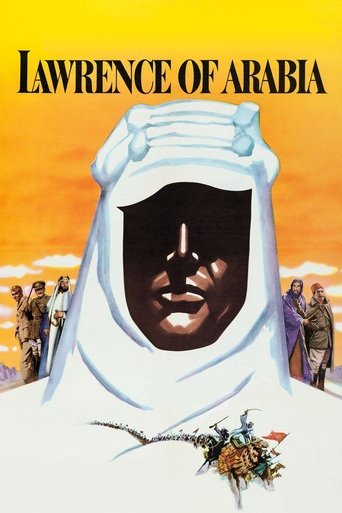
Lawrence of Arabia (1962)
A 65mm epic that keeps the grandeur but gives it a psychologically complicated hero, showing where the form went next.
Compare another approach
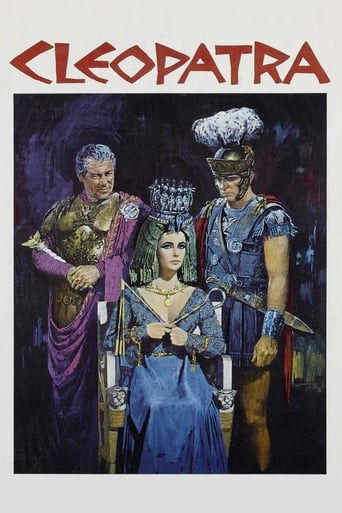
Cleopatra (1963)
A late epic from the same cycle, whose enormous costs show the risks of the strategy that Ben-Hur's success had encouraged.