

Adventure · Drama · Romance · Action
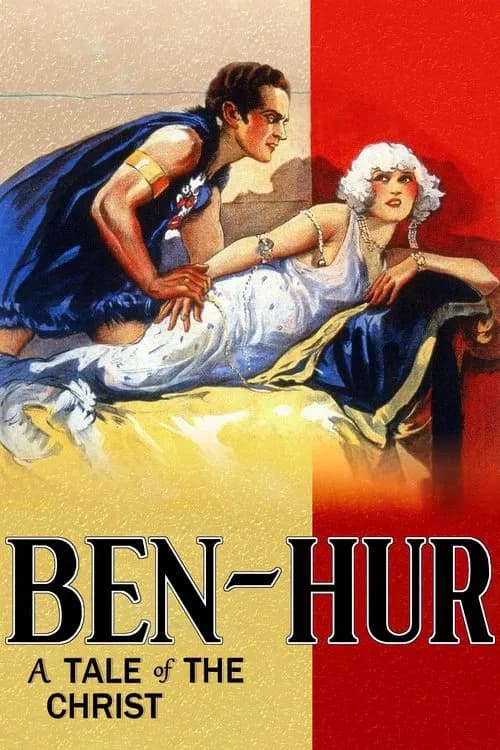
Ben-Hur
Avg rating 8.2 / My rating TBC
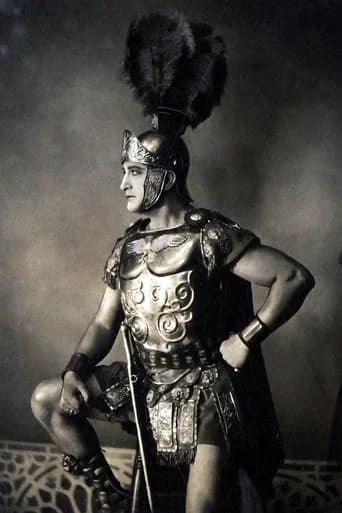
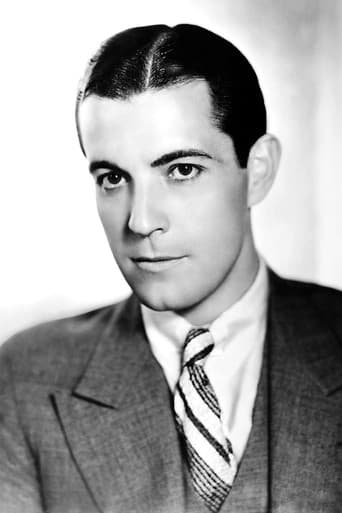
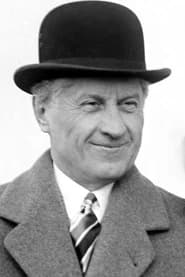
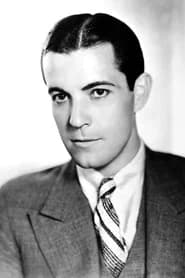
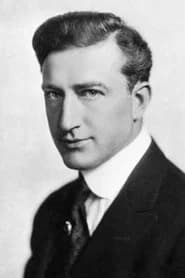
1925 · Directed by Fred Niblo · With Ramon Novarro, Francis X. Bushman, May McAvoy
- Silent Cinema
- Historical Epic
- Biblical Epic
- Classical Hollywood
In Roman-ruled Judea, a young Jewish nobleman and his boyhood friend, now an officer of the occupying army, find their bond tested by pride, loyalty and empire. Their quarrel unfolds against the early life of Jesus, on a canvas of galleys, palaces and a great arena.
Film info
- Runtime
- 2h 23m · 143 min
- Format
- Silent with intertitles. Modern releases carry an orchestral score, often based on the original William Axt compilation.
- IMDb
- 7.8 / 10 (8,047 votes)
- Rotten Tomatoes
- 96% (critics)
- TMDB
- 7.3 / 10 (audience, 117 votes)
- Trailer
- ▶ Watch the trailer
Before watching
Spoiler-free · about 2 minutes
Short on time? Spoiler-free
A 3-minute summary
Why watch this?
The biggest silent spectacle Hollywood ever built
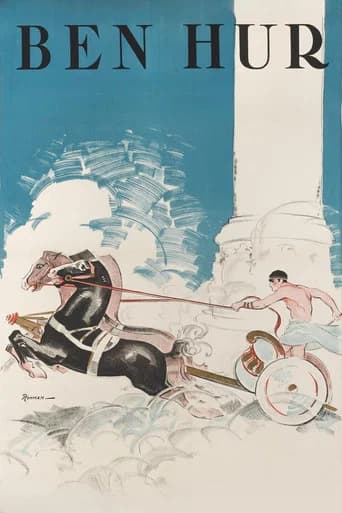
MGM's 1925 Ben-Hur was the most expensive silent film of its day. Its Circus Maximus set and chariot race are the standard by which later screen action was measured.
A landmark of the silent epic
Alongside Intolerance and The Ten Commandments (1923), it defines the Hollywood silent epic: religion, romance and crowd spectacle fused into one popular, mass-market entertainment.
Action filmmaking learned by watching
The chariot race shows how editing, camera placement and real danger can build suspense without a word of sound. It is a masterclass in visual storytelling.
Why it matters in cinema history
A defining film of the silent epic and the early MGM studio, it set a template for the biblical spectacle that Hollywood would remake and enlarge for decades.
Watch with intention
Your lens
Watch it as a machine for turning private grievance into public spectacle, where every big set serves a personal conflict.
Three things to notice
- How Ramon Novarro plays emotion with posture, eyes and gesture, since there is no dialogue to lean on and the intertitles are brief.
- The shifts between colour and tinted black and white, and what kinds of moments the film chooses to colour.
- How the film builds scale: where the camera sits relative to the crowds, sets and models, and how editing blends real and constructed spaces.
One question to carry with you
When a film's biggest set piece is a sporting event, what has to be set up beforehand for it to matter emotionally?
- Industry
- The film began under the Goldwyn company and was completed after the 1924 merger that created MGM. It became the new studio's first great prestige gamble.
- Source
- Lew Wallace's 1880 novel was already a phenomenon, and a stage version with live horses had toured for years. Audiences arrived knowing the story and wanting to see the race.
- Technology
- Silent film was at its technical peak. Selected sequences use two-colour Technicolor, a rare luxury, while the rest is tinted black and white.
- Production
- The shoot began in Italy under a different director and star, ran into trouble, and was largely restarted in Culver City, California, with Fred Niblo directing.
Where it came from
Film
Cabiria (1914)
This Italian epic showed American producers that a feature-length historical spectacle with huge sets could draw large international audiences.
Film
Intolerance (1916)
D. W. Griffith's colossal sets and crowds established the scale of the silent epic, and its sacred strand parallels Ben-Hur's religious thread.
Tradition
Lew Wallace's novel and stage melodrama
The story was already a best-selling novel and a theatrical spectacle with live horses on treadmills, so the film inherited a public hungry for the race.
This film
Ben-Hur (1925)
New at the timeIt combined colour sequences, huge sets, and a chariot race shot with many cameras, at a scale and cost no earlier American film had attempted.
- Country and moment
- The mid-1920s were a boom time in the USA, with rising consumption and mass cinema-going. Lew Wallace's 1880 novel, hugely popular and long staged as a theatre spectacle, gave producers a story already familiar to a broad public.
- Religion and audience
- Church-going Protestant and Catholic audiences were a major market, and Hollywood was under pressure from moral reformers. A biblical story of faith and Roman oppression offered spectacle that seemed respectable.
- Production troubles
- The shoot began in Italy under Goldwyn Company, with a different director and lead actor. Costs soared and the work was moved back to California. The newly formed MGM took over and finished it, making it one of the costliest silent films.
- The filmmaker's situation
- Fred Niblo, known for lively popular hits such as The Mark of Zorro, was brought in to rescue the project. His job was to deliver a safe, large-scale success for a studio that needed one.
- Pace
- Measured and episodic. The first half builds characters and the Roman setting patiently before the action sequences take over.
- Style
- Grand, theatrical and sincere, with melodramatic acting and reverent religious imagery typical of mid-1920s epics.
- Format
- Silent with intertitles. Modern releases carry an orchestral score, often based on the original William Axt compilation.
- Colour
- Mostly tinted black and white, with a few early Technicolor sequences.
- Aspect ratio
- 1.33:1, the standard silent frame, so the image is nearly square.
- Performance
- Expressive and physical. Gestures are larger than in sound-era acting, but the lead performances are restrained for the period.
10+
Suggested age
Older children
BBFC rates it PG and the US has no rating (NR); a silent epic with intense set pieces and a long runtime suits roughly ages 10 and up, watched together.
Official ratings
- USNR
- UKPG
Good for
Spectacular silent-era set pieces, including a famous chariot race and large-scale sea battle, plus a sweeping adventure of friendship, loyalty and faith that suits curious children who enjoy epics.
May unsettle
- Peril: Action sequences are tense and physically dangerous, with crashes, fighting and moments of real threat, especially in the large-scale race and sea scenes.
- Mature themes: Themes of injustice, cruelty and loss are treated seriously, with some harsh treatment of characters shown on screen.
- Intensity: Some scenes of suffering and distress are emotionally heavy, and may affect sensitive younger children.
- Pace: A silent film of over two hours, with title cards to read and a slower, theatrical style in places.
Explain first
- It is a silent film with music and on-screen title cards, so younger readers may need help keeping up with the text.
- The story is set in the Roman-ruled Holy Land and includes Christian religious imagery and figures, which shape its themes.
Talk about it after
Why do you think old friends can end up wanting very different things, and how might people choose between loyalty and their principles?
Cinespective's own guidance, a draft: check it against the official ratings and your own judgement. Second opinions: Common Sense Media, IMDb (see its Parents Guide). Ratings from TMDB.