

Drama · History · Romance
Cleopatra
Avg rating 6.6 / My rating TBC
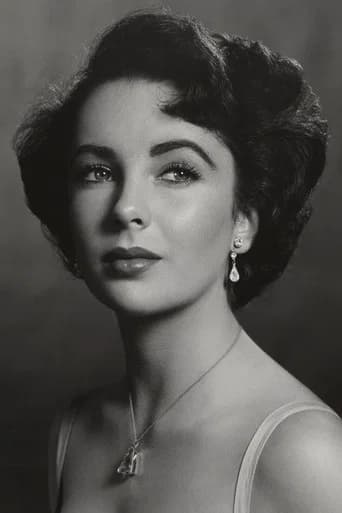
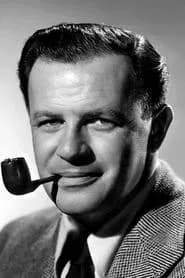
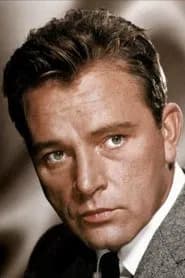
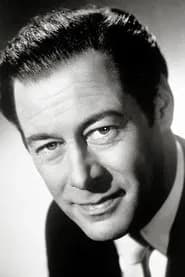
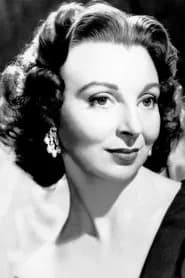
1963 · Directed by Joseph L. Mankiewicz · With Elizabeth Taylor, Richard Burton, Rex Harrison
- Historical Epic
- Melodrama
- Classical Hollywood
The young queen of Egypt, caught between a dynastic rivalry at home and the growing power of Rome, sets out to secure her throne through alliance with the most powerful men of the age. A talky, richly staged epic that treats politics and romance as one subject.
Film info
- Runtime
- 4h 11m · 251 min
- Format
- Made as a roadshow epic with an intermission. Plan to watch it in two sittings if needed.
- IMDb
- 7.0 / 10 (40,521 votes)
- Rotten Tomatoes
- 61% (critics)
- Metacritic
- 60 / 100
- TMDB
- 7.1 / 10 (audience, 890 votes)
- Trailer
- ▶ Watch the trailer
Before watching
Spoiler-free · about 2 minutes
Short on time? Spoiler-free
A 3-minute summary
Why watch this?
The most extravagant studio-era epic ever made
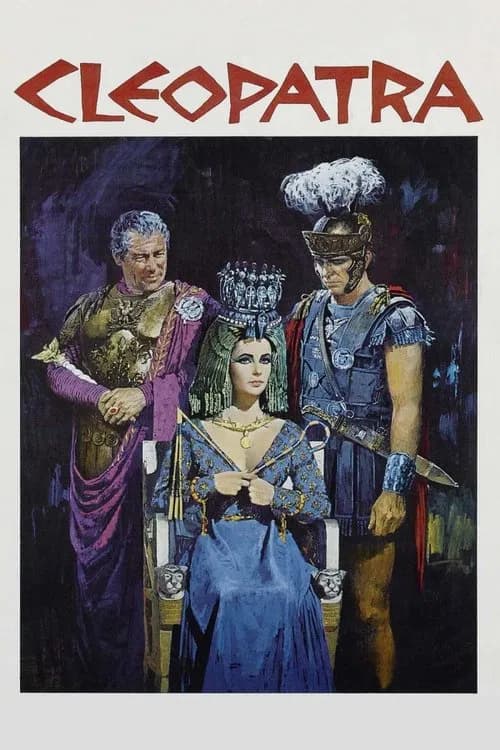
Sets of Alexandria and Rome were built at full scale, with thousands of costumed extras. Its production nearly bankrupted 20th Century-Fox and marks the high-water point of the Hollywood spectacle.
Taylor, Burton and Harrison in a literate script
Joseph L. Mankiewicz, known for dialogue-driven films, gives the epic wit and political argument. Elizabeth Taylor's Cleopatra and Rex Harrison's Caesar carry long scenes of talk as much as spectacle.
A film that is also a story about filmmaking
Its troubled shoot, the Taylor-Burton affair and its enormous cost became as famous as the film. Knowing that history helps explain why Hollywood changed course afterwards.
Why it matters in cinema history
A defining late example of the roadshow epic, made at the moment the old studio system could no longer afford its own ambitions. It is as much an ending as a peak.
Watch with intention
Your lens
Watch it as a political drama in which romance, costume and spectacle are all tools of power.
Three things to notice
- How often scenes turn on conversation: negotiations, arguments and wry exchanges carry as much weight as the large set pieces.
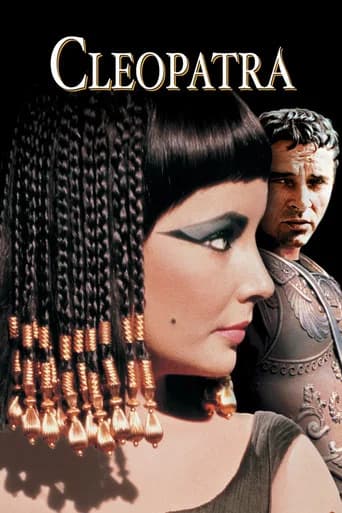
- Cleopatra's costumes and entrances: how each is staged to project authority, and how the camera lets her control the frame.
- The contrast between the Egyptian and Roman worlds in colour, architecture and manner, which sets up the film's central tension.
One question to carry with you
Is Cleopatra presented as a woman in love, a ruler playing a long game, or something harder to separate?
- Industry
- By the early 1960s television was eroding cinema attendance, and studios answered with giant-scale, widescreen roadshow epics sold as special events with intermissions and reserved seating.
- Technology
- Shot on 65mm Todd-AO, the film used the wide, sharp frame to show vast sets and processions, with colour design and costuming central to its appeal.
- Dominant styles
- Ben-Hur (1959) had just shown how profitable an epic could be, and Fox, in financial trouble, bet heavily on a similar success.
- Director's moment
- Mankiewicz, a celebrated writer-director of sharply talkative films, took over a production already in difficulty and shaped it as an epic of conversation and intrigue.
Where it came from
Film
Cleopatra (1934)
Cecil B. DeMille's earlier version made the story a showpiece of glamour and spectacle, setting the template Mankiewicz expanded and made more talkative.
Film
Julius Caesar (1953)
Mankiewicz's own earlier Roman drama showed his ability to turn political intrigue and speech into compelling cinema.
Film
Ben-Hur (1959)On Cinespective
Its enormous success proved that a long, lavish Roman-era epic could be a major hit, encouraging Fox's costly bet.
This film
Cleopatra (1963)
New at the timeIt combined the scale of a Hollywood spectacle with the verbal sophistication of a drawing-room drama, and ran far longer than most epics dared.
- Studio in crisis
- By the early 1960s 20th Century-Fox was losing money as cinema attendance fell. Cleopatra's costs ballooned far beyond its budget, and the studio came close to bankruptcy, selling off its backlot land to stay afloat.
- Troubled production
- Filming began in London, where bad weather and the star's illness caused delays, then moved to Rome's Cinecittà and Egypt. Rising costs and a changed director and script made it among the most expensive films ever made at that point.
- Press and celebrity
- The off-screen romance between Elizabeth Taylor and Richard Burton, both married to others, became a worldwide scandal. It was condemned by the Vatican and by moralists and covered obsessively by the press, shaping how audiences approached the film.
- The filmmaker's situation
- Joseph L. Mankiewicz, known as a witty screenwriter-director, took over a project already in disarray. He wrote and rewrote the script during filming under heavy pressure, and the studio's later cuts of the film angered him.
- Pace
- Slow and deliberate. At over four hours, it unfolds in long scenes of talk punctuated by a few huge spectacles.
- Format
- Made as a roadshow epic with an intermission. Plan to watch it in two sittings if needed.
- Style
- Lavish, theatrical, and heavily dialogue-driven, with a literate, ironic script rather than constant action.
- Colour and ratio
- Colour, widescreen 65mm Todd-AO, best seen on the largest screen available.
- Versions
- The original release ran about 251 minutes. Shorter cuts were later circulated, so check which version you are watching.
- Performance
- Grand, stagey playing, with Harrison's dry wit and Taylor's commanding presence at the centre.
11+
Suggested age
Older children
Ratings range from US G and French all-ages to German 12, with GB at PG; the heavy political talk and four-hour length make it better suited to older children.
Official ratings
- USG
- UKPG
- Germany12
- FranceTP
Good for
Older children and teens curious about ancient history may enjoy the huge sets, lavish costumes, grand processions and big performances, especially Elizabeth Taylor's, in a classic Hollywood epic.
May unsettle
- Violence: Epic-style battle scenes and moments of political violence, staged in a dated, mostly non-graphic way, though some may still feel tense.
- Mature themes: Adult romance, ambition, betrayal and grief run through the story; handled with restraint and little explicit detail, but emotionally heavy at times.
- Pace: Over four hours long, with lots of dialogue and political scheming. Younger viewers may lose interest without breaks.
- Dated attitudes: A 1960s Hollywood view of ancient Egypt and Rome, with Western casting and period-typical views of power and gender.
Explain first
- Cleopatra was a real queen of Egypt, and the film is based on real history, though it dramatises and embellishes it.
- Rome was a powerful empire in this era, and leaders often competed fiercely for control, so many scenes involve politics and rivalry.
- The film is very long and has an intermission, so plan to watch it in two or more sittings.
Talk about it after
Why do you think powerful people in this story make the choices they do, and would you have chosen differently in their place?
Cinespective's own guidance, a draft: check it against the official ratings and your own judgement. Second opinions: Common Sense Media, IMDb (see its Parents Guide). Ratings from TMDB.