

Comedy · Romance · Crime
Some Like It Hot
Avg rating 8.9 / My rating TBC
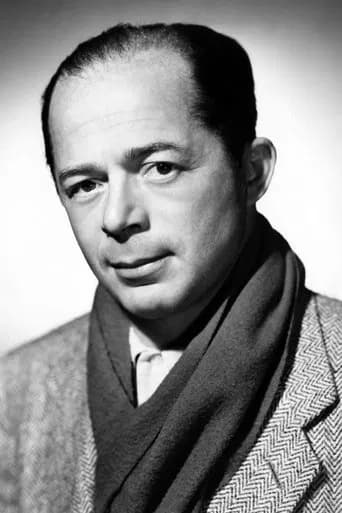
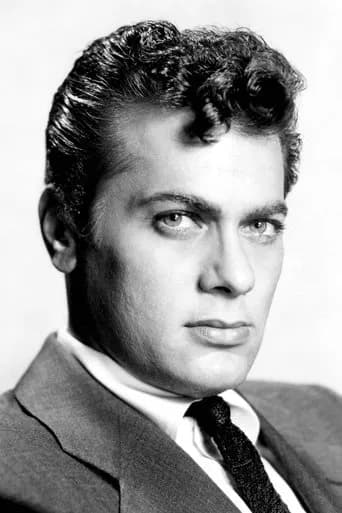
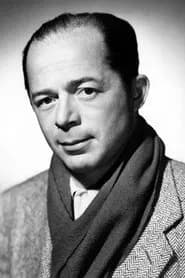
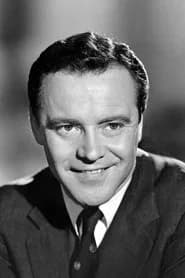
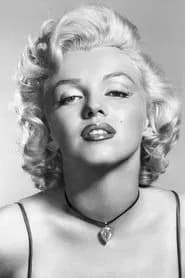
1959 · Directed by Billy Wilder · With Tony Curtis, Jack Lemmon, Marilyn Monroe
- Comedy
- Classical Hollywood
- Gangster Film
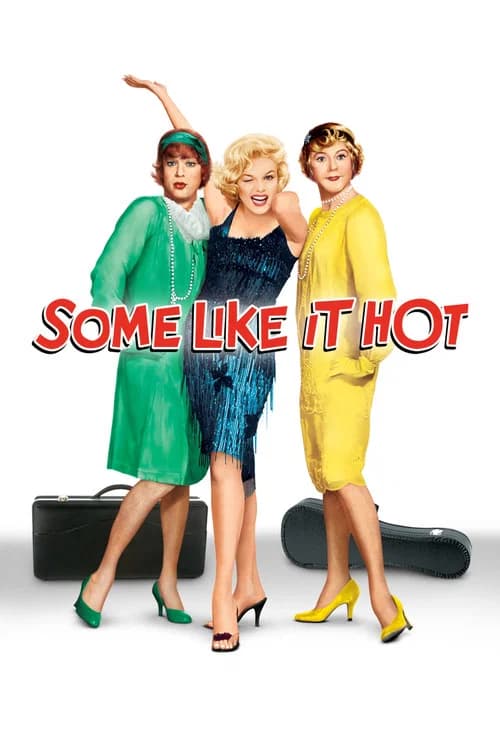
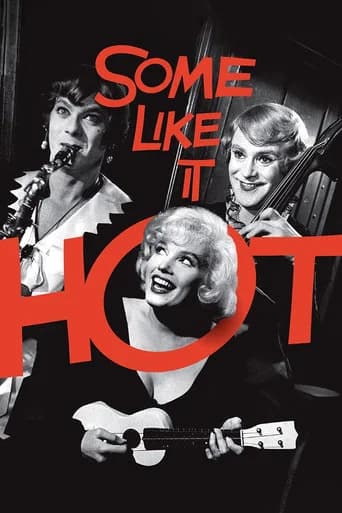
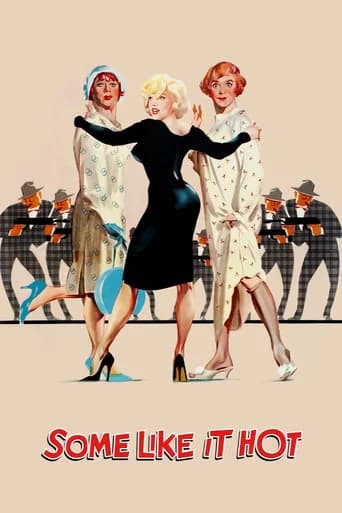
Chicago, 1929. Two broke jazz musicians witness something they should not have and run for the only job that will hide them: a touring all-girl band bound for Florida. A farce built on disguise, desire and a very fast tempo.
Film info
- Runtime
- 2h 03m · 123 min
- IMDb
- 8.2 / 10 (304,528 votes)
- Rotten Tomatoes
- 95% (critics)
- Metacritic
- 98 / 100
- TMDB
- 8.1 / 10 (audience, 4,009 votes)
- Trailer
- ▶ Watch the trailer
Before watching
Spoiler-free · about 2 minutes
Why watch this?
Billy Wilder's most celebrated comedy
Wilder and co-writer I.A.L. Diamond turned a thin farce premise into one of the most tightly built screenplays in Hollywood comedy, with Jack Lemmon, Tony Curtis and Marilyn Monroe at full strength.
A landmark of the late classical studio comedy
It fuses screwball tempo, gangster parody and gender-bending farce, and it was released without the Production Code seal, a sign that the old censorship system was losing its grip.
Marilyn Monroe at her most deft
Monroe plays Sugar with comic timing and real vulnerability, and the film is the clearest showcase of how her screen persona could carry both a gag and a heartbreak.
Why it matters in cinema history
A late peak of classical Hollywood farce that also tested the limits of the Production Code, it shows an old studio genre becoming franker, faster and more self-aware as the 1960s approached.
Watch with intention
Your lens
Watch it as a machine: every gag, prop and line of dialogue is planted early to pay off later.
Three things to notice
- How the first ten minutes switch from gangster picture to musical backstage comedy without losing speed, using music and cuts as punctuation.
- How Curtis and Lemmon play their disguises differently: one keeps a performer's calculation, the other lets the new identity take over.
- How Monroe's entrance is staged through movement and sound, and how the film uses her song numbers for character as well as spectacle.
One question to carry with you
When a film is built on lies, whose deception do we end up rooting for, and why?
- Censorship
- The Production Code still governed Hollywood in 1959, discouraging sexual innuendo and anything suggesting sexual ambiguity. By this point its authority was eroding, and the film reached cinemas without a Code seal.
- Industry
- Television was drawing audiences away, and studios answered with colour, widescreen and spectacle. Black-and-white comedy was now a deliberate choice rather than a default.
- Genre inheritance
- The film draws on the 1930s screwball comedy and on early gangster pictures, whose clichés and stars were familiar enough to be parodied. Prohibition-era Chicago was already a screen mythology.
- Director's moment
- Wilder had moved from the bitter noirs Double Indemnity and Sunset Boulevard to comedy and courtroom drama, and was now a major name with the clout to push a risky premise.
Where it came from
Film
Fanfare d'amour (1935)
The French comedy about two musicians who pose as women to join an all-female orchestra supplied the basic premise Wilder and Diamond reworked.
Movement
Screwball comedy
Its fast talk, farcical misunderstandings and romance under pressure are inherited from 1930s comedies such as It Happened One Night.
Tradition
1930s gangster films
Prohibition-era mobsters, speakeasies and star persona such as George Raft's are the source of both the film's menace and its parody.
This film
Some Like It Hot (1959)
New at the timeA mainstream studio comedy that built its whole engine on cross-dressing and open sexual innuendo, at a time when the Code was meant to forbid exactly that.
- Country and moment
- Postwar American prosperity and suburban conformity shaped 1959, with rigid expectations of masculinity and femininity. The film looks back at 1929 Chicago, the Prohibition era of speakeasies and organised crime, as a comic, nostalgic setting.
- Politics and censorship
- The Hays Production Code still formally governed Hollywood, banning open treatment of sexual themes and cross-dressing innuendo. Wilder released the film without Code approval, and its commercial success helped weaken the Code's authority.
- Society and audience
- Audiences were growing more relaxed about sexual humour, as the postwar years and the rise of television pushed Hollywood toward more adult material. Marilyn Monroe was by then one of the biggest stars in the world, and her image was central to the film's appeal.
- The filmmaker's situation
- Wilder was a Jewish emigre from Austria-Hungary who had fled Nazi Germany in the 1930s and built a Hollywood career as a writer-director. By 1959 he was an established, powerful figure who could take risks. Monroe's lateness and difficulties on set made the shoot famously tense.
- Pace
- Fast and dialogue-driven, with set-pieces timed like musical numbers. The long runtime rarely feels slack.
- Style
- Classical studio farce with period gangster parody. Jokes are verbal, visual and structural, and many depend on knowing earlier setups.
- Colour / ratio
- Black and white, standard 1.85:1 widescreen framing.
- Performance
- Broad comic acting held in check by real emotional stakes. Monroe, Lemmon and Curtis each play different registers.
- Sound
- Jazz-age songs and period dance music, with Monroe singing on screen. Dialogue is quick and full of innuendo.
- Tone
- Warm and cynical in turns. Some violence appears early, but the film is chiefly comic.
12+
Suggested age
Teens
Ratings range from PG (GB) to 12/16 (DE) and TP/12 (FR); 12 suits the gangster violence, innuendo and length, though mature 10-year-olds could cope with you there.
Official ratings
- UKPG
- Germany12 / 16
- FranceTP / 12
Good for
Fast, brilliant farce with famously funny performances, snappy dialogue, jazz-age music and costumes. Older children and teens who enjoy slapstick and mistaken-identity comedy can see why it is a classic.
May unsettle
- Gangster violence: Shootings are implied or briefly shown in black and white, with a tense chase atmosphere. It is mostly stylised rather than graphic.
- Sexual innuendo: Frequent suggestive jokes, flirtation and revealing costumes. Much of it is double entendre that younger children will not follow.
- Dated attitudes: Period views on gender, women and marriage, plus jokes about drinking and Prohibition, reflect 1959 and 1929 sensibilities.
- Pace: Black-and-white and over two hours long, with period dialogue delivered quickly. Younger children may lose focus.
Explain first
- It is set in 1929 during Prohibition, when alcohol was illegal and gangsters ran secret bars called speakeasies.
- The film is in black and white, which was a deliberate choice for the comedy.
- Much of the humour comes from men dressing as women, which was daring in 1959 and is played as farce.
Talk about it after
Which jokes still work today, and which ones feel dated? What do you think made audiences laugh in 1959?
Cinespective's own guidance, a draft: check it against the official ratings and your own judgement. Second opinions: Common Sense Media, IMDb (see its Parents Guide). Ratings from TMDB.