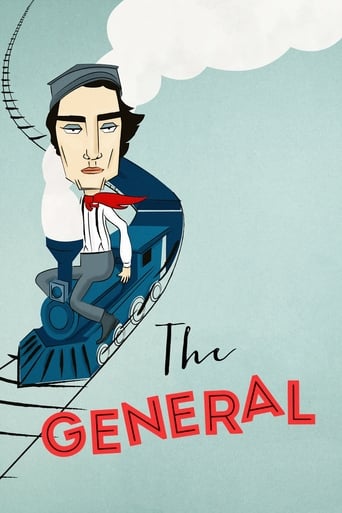
Adventure · Drama · Romance · Action
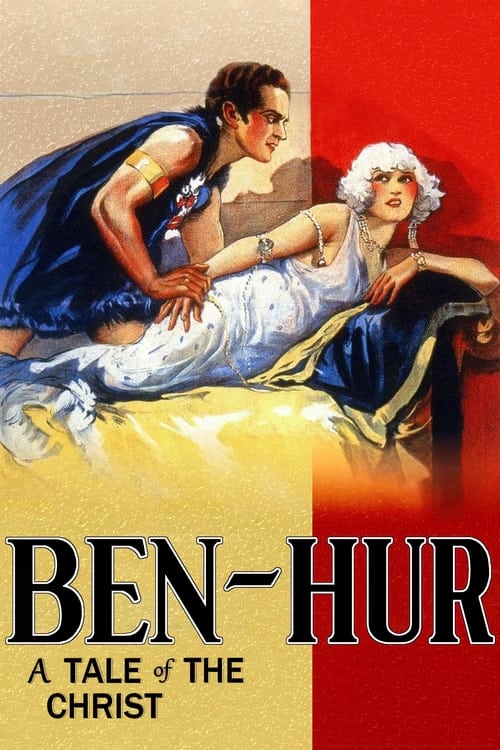
Ben-Hur
American (Ben-Hur: A Tale of the Christ)
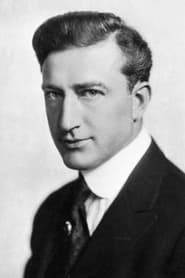
1925 · Directed by Fred Niblo · 143 min


Adventure · Drama · Romance · Action
American (Ben-Hur: A Tale of the Christ)
1925 · Directed by Fred Niblo · 143 min
Meaning, unpacked
Central idea
The film turns a personal feud into a story about power and faith. It contrasts the Roman impulse to conquer and punish with a quieter idea of mercy, and it can be read as asking which kind of strength actually changes a life.
What it means
Ben-Hur starts as a personal feud, but it is after something bigger. A quarrel between old friends becomes a story about power and faith. On one side is the Roman urge to conquer and punish. On the other is a quieter idea of mercy. The film seems to ask which kind of strength can actually change a life, and whether revenge can ever satisfy.
Look at how the friendship breaks. Judah and Messala begin as equals, and occupation, status and pride pull them apart, corrupting a bond more thoroughly than simple hatred could. Rome is glittering and brutal at once, able to lift up one man while it crushes a whole people. Judah's hunger for revenge runs alongside the life of Christ, and his mother and sister anchor the emotional stakes. His fight is for what was taken from his household.
Why it mattered
The chariot race is a lesson in action editing. Many cameras covered it, at different heights and positions, some low and close to the wheels. The editors alternate wide views of the whole field with quick shots of wheels, horses and faces. The tension comes from that rhythm, and you never lose track of where anyone is.
And the scale was physical. In Culver City, Cedric Gibbons and the art department built a full-size Circus Maximus, with thousands of extras in the stands, extended by miniatures and matte-style tricks. That is why it still feels solid. The film also used two-strip Technicolor for the Nativity and other sacred passages, where colour marks the miraculous, not realism. Audiences and critics treated it as a major event in late 1925, and its success helped make MGM a major name.
Before anyone tells you what to think: what did you make of it?
Log in to rate it and leave commentsIt takes one click with Google or an email link. You come straight back here.
Rate it, keep your notes, and find the next film.
Free, no ads. Your journal, your lists, a Cine Guide that remembers you.
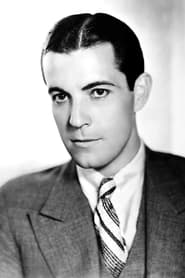
Create your free spaceThe race became the model for later screen races, most directly William Wyler's in the 1959 remake. Wyler had worked on this film as an assistant director. The mix of faith and spectacle shaped Cecil B. DeMille's later epics and the biblical and Roman productions of the 1950s and 1960s. Ramon Novarro became a major screen idol, pitched as a rival to Rudolph Valentino, and he is also remembered as an early gay star of Hollywood.
Today the film is valued for its craft more than its drama. The story and acting feel old-fashioned beside the 1959 version, yet restored prints with orchestral scores still play at festivals. The word Ben-Hur still means epic, even to people who have never seen this version. That is a long shadow for a silent film.
What happens
After Messala dies in the race, Judah finds his mother and sister alive in a leper colony. Having seen Jesus, he lets go of revenge; the women are healed, the family is reunited, and Judah is united with Esther.
The last image
The reunited family and Judah's union with Esther close the film, with the women's healing standing as the final miracle.
What it says
Winning the race does not heal Judah; mercy does. The film sets Rome's urge to conquer and punish against a quieter strength, and lets the family's restoration come through a miracle rather than force. That is how it answers its own question about revenge.
Or follow an idea from this film
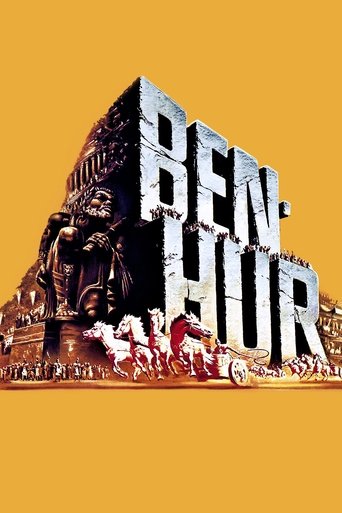

Compare another approach
Ben-Hur (1959)
Same story in widescreen colour and sound. Comparing the two races and the handling of the Christ scenes shows what changed and what remained.
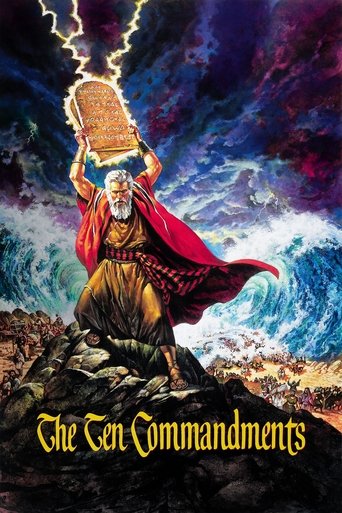
Follow the idea
The Ten Commandments (1956)
DeMille's sound-era, colour epic carries on the mix of faith and spectacle, and it makes a good bridge between the silent and widescreen eras.
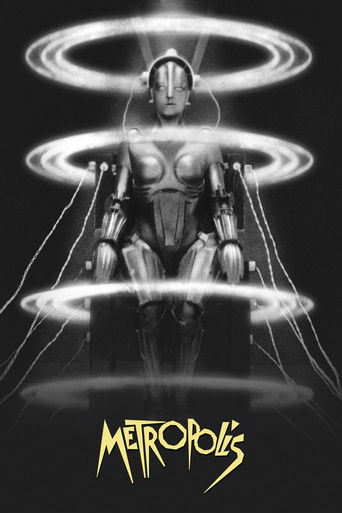
Explore the era or movement
Metropolis (1927)
Another late-silent spectacle on a vast scale, this time in science fiction, showing how far design and crowd choreography had advanced by the end of the decade.
See what influenced it
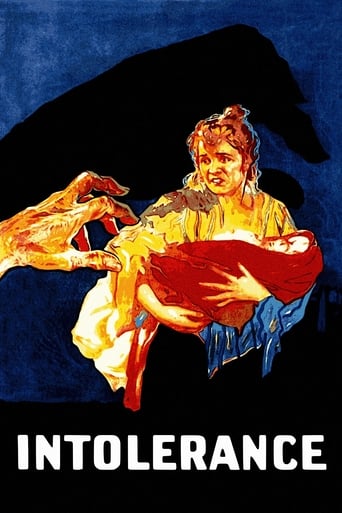
Intolerance (1916)
Griffith's monumental epic is the model for the huge sets and cross-cutting action that Ben-Hur later refined into a popular entertainment.
Jump forward
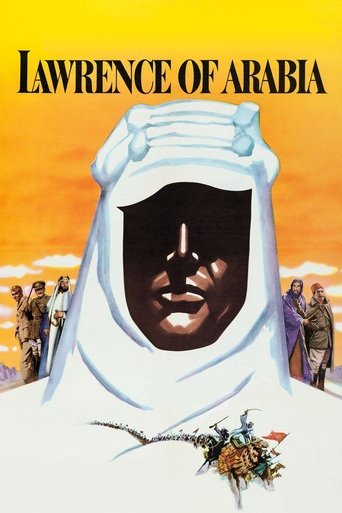
Lawrence of Arabia (1962)
A later epic in which the spectacle is more psychological. It shows how the form could move from reverent display to a study of character.