

Comedy · War · Romance
The General
Avg rating 8.4 / My rating TBC
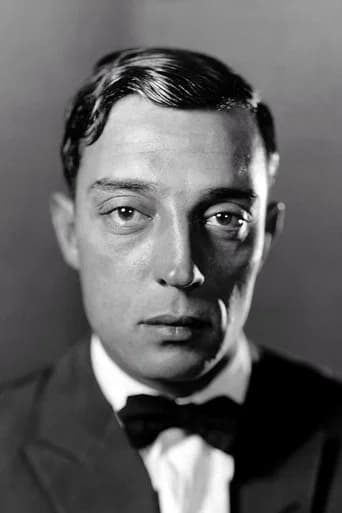
1926 · Directed by Buster Keaton · With Buster Keaton, Marion Mack, Glen Cavender
- Silent Cinema
- Comedy
- War Film
In the American Civil War, a young Southern railroad engineer cares about two things above all: his locomotive and the woman he hopes to marry. When both are taken from him, he sets out after them alone. A comic adventure built almost entirely on a single long chase.
Film info
- Runtime
- 1h 19m · 79 min
- Format
- Silent, black and white, standard square-ish frame. Intertitles are sparse; the story is told mostly through images.
- IMDb
- 8.1 / 10 (104,099 votes)
- Rotten Tomatoes
- 92% (critics)
- TMDB
- 7.9 / 10 (audience, 1,469 votes)
- Trailer
- ▶ Watch the trailer
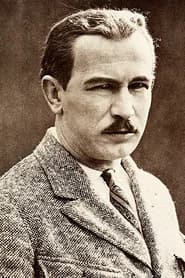
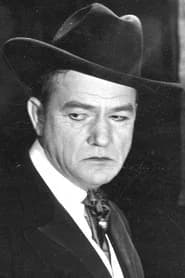
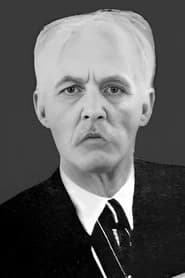
Before watching
Spoiler-free · about 2 minutes
Short on time? Spoiler-free
A 3-minute summary
Why watch this?
The summit of silent screen comedy
Buster Keaton's best-known feature is often named alongside Chaplin's best work as the peak of silent comedy. It turns one train chase into a whole film, with gags and story fused.
Stunts that are real, not trickery
Keaton, a former vaudeville acrobat, performs dangerous physical action in long, unbroken shots, using real trains and real locations. Watching it shows how much of early film spectacle was made in front of the camera.
A model of film construction
Almost every gag grows from the setup, the landscape and the machinery. Few films show so clearly how comedy, action and plot can be the same thing.
Why it matters in cinema history
A defining film of late-silent Hollywood and the standard example of the comic chase as structure. It also marks the end of Keaton's most independent period as a filmmaker.
Watch with intention
Your lens
Watch it as a piece of engineering: every joke comes from how machines, space and timing work.
Three things to notice
- Keaton's face stays almost still while the world around him goes wrong; his body does the acting, and his reactions are small and precise.
- The camera often stays wide and still, letting actions develop within one shot, so you can see that the stunts are really happening.
- The locomotive is the film's real co-star. Notice how the train's direction, speed and layout organise both the geography and the jokes.
One question to carry with you
How does a film get so much comedy out of a story in which the hero is never actually trying to be funny?
- Silent comedy's golden age
- By the mid-1920s, feature-length comedy led by Chaplin, Harold Lloyd and Keaton was big business. Shorts and slapstick were giving way to longer films that needed real stories.
- Industry
- Keaton worked in his own studio, with producer Joseph Schenck distributing through United Artists. He had unusual control over budget, crew and shooting schedule, and spent heavily on authenticity.
- Dominant styles
- Silent film was at technical maturity: location shooting, deep-focus-style long shots, and refined editing. Chase and last-minute-rescue structures, from Mack Sennett to D. W. Griffith, were familiar to audiences.
- Source material
- The story draws on the real 1862 Andrews Raid, a Union attempt to steal a locomotive in Georgia, as told in a participant's memoir. Keaton shifts the sympathy to the Southern side.
Where it came from
Film
Sherlock Jr. (1924)On Cinespective
Keaton's earlier feature refined the combination of precise stunt work and elaborate mechanical gags that The General then extends over a whole story.
Tradition
Keystone slapstick and the comic chase
Mack Sennett's studio made the chase the basic structure of screen comedy. Keaton turns that rough energy into disciplined, story-driven film design.
Film
Our Hospitality (1923)
Keaton's earlier period comedy already put a train, a historical setting and a set-piece chase at the centre of a feature.
This film
The General (1926)
New at the timeA comedy built like a historical action film: a single continuous pursuit, shot on location with real locomotives and a period look rather than studio gag sets.
- Country and moment
- The film came out in the Jazz Age boom, about sixty years after the Civil War. The war was still part of living memory, with veterans' reunions and a strong popular nostalgia for it.
- Historical source
- The story is based on the Great Locomotive Chase of 1862 and on a memoir by one of its participants. Keaton aimed at period accuracy in the look of the film, which was inspired by Civil War photographs.
- Society and audience
- Audiences in 1926 were used to sentimental, heroic treatments of the Civil War and the South. The film was set within that tradition. It was not a hit with critics, who found it too long and serious for a comedy, and it did only modest business.
- The filmmaker's situation
- Keaton produced his films through his own unit, backed by producer Joseph Schenck, and had creative control. The General was very costly for a comedy, and its poor returns contributed to his later loss of independence when he moved to MGM in 1928.
- Pace
- A short first act of setup, then a long pursuit that keeps escalating. The film is brisk at 79 minutes and rarely pauses.
- Style
- Physical comedy and action rather than verbal wit. Gags are visual, set in wide shots, and usually built from several steps.
- Format
- Silent, black and white, standard square-ish frame. Intertitles are sparse; the story is told mostly through images.
- Performance
- Keaton's deadpan is understated and unsentimental. Expect little overt emoting and a lot of precise physical work.
- Versions
- Many releases exist with different musical scores, since no single original score is credited. Picture quality varies, so choose a restored edition.
- Tone
- Light and adventurous even in a war setting. The Civil War is backdrop, not the subject of serious drama.
6+
Suggested age
Family
Official ratings range from U (GB, FR) to FSK 6 (DE), with no US rating; 6 fits the mild slapstick peril and a silent film's demands on attention.
Official ratings
- USNR
- UKU
- Germany6
- FranceU
Good for
Inventive slapstick and daring stunts on real trains, a persistent hero, and a clear chase story that needs no dialogue. A great first silent film for children who enjoy physical comedy.
May unsettle
- Peril: Comic chases involve moving trains, cannons and near misses. Stunts are real and spectacular but played for laughs, not horror.
- Violence: Wartime setting with gunfire, soldiers and some battle scenes. Mostly bloodless and slapstick in tone, though people are shot and killed.
- Dated attitudes: Presents the Confederate side as the sympathetic heroes and treats the Civil War as an adventure. Some stereotyped portrayals of the period.
- Pace: Silent, black and white, with title cards to read. Younger children may need help following or may lose patience early on.
Explain first
- It is a silent film: there is no spoken dialogue, only music and written title cards, which you may want to read aloud to younger children.
- It is set during the American Civil War, when the Northern and Southern states fought each other, partly over slavery.
- Buster Keaton did his own stunts, so the dangerous-looking train action is real, not computer effects.
Talk about it after
>Buster Keaton almost never smiles, yet the film is very funny. How does he make you laugh using only his actions and expressions?
Cinespective's own guidance, a draft: check it against the official ratings and your own judgement. Second opinions: Common Sense Media, IMDb (see its Parents Guide). Ratings from TMDB.