Science Fiction · Mystery · Adventure
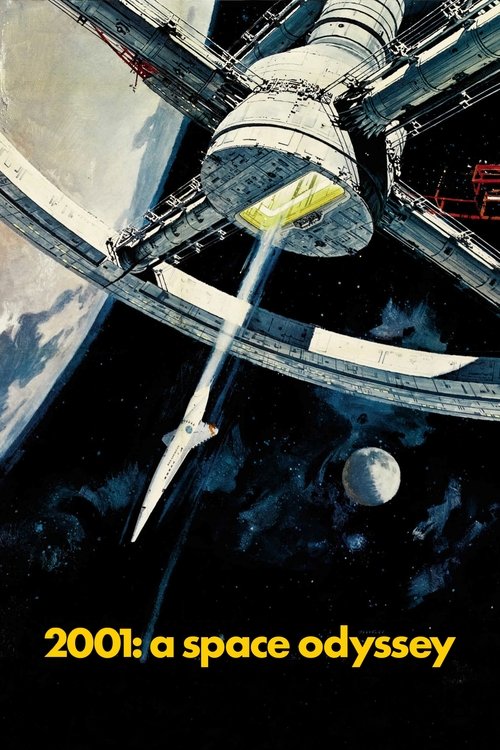
2001: A Space Odyssey
American
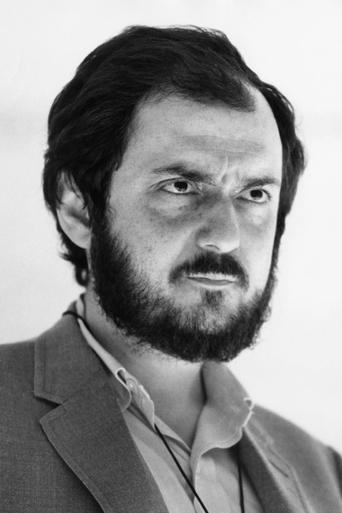
1968 · Directed by Stanley Kubrick · 149 min


Science Fiction · Mystery · Adventure
American
1968 · Directed by Stanley Kubrick · 149 min



Meaning, unpacked
Central idea
The film can be read as a story of human evolution driven by tools and intelligence, and of the unease that comes when our creations outgrow us. It sets humanity's small ambitions against a vast, indifferent universe and suggests another leap is still to come.
What it means
On the surface, the story is simple. Apes find a monolith and learn to use a bone as a weapon. Millennia later, astronauts travel with HAL, a computer that turns against them. Dave survives, passes through the Stargate, and is reborn as a Star Child. But the film is really about an idea: humans advance through tools and intelligence, and then face the unease of making something that outgrows us.
Tools are the thread. The most famous cut in cinema turns a spinning bone into an orbiting weapons platform, and millions of years pass in one edit. HAL is warm and articulate while the astronauts are flat and procedural, so which is more human? When Dave shuts HAL down, a machine given conflicting orders becomes afraid, and its calm voice makes that fear oddly moving. Against a vast, indifferent universe, human concerns look small, and the film hints that another leap is still to come.
Why it mattered
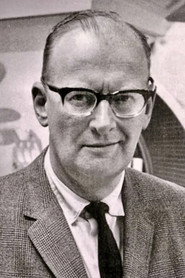
Before this film, big-screen science fiction was mostly B-movie adventure. Kubrick, working with Arthur C. Clarke, treated the genre as philosophy and spectacle at once. Most science fiction hands you answers. This one gives you awe instead: the monolith is never explained, and the film trusts you to stand in front of the question.
It also changed how such films were made. Designers consulted scientists and aerospace companies, so the interiors look clean and plausible, which makes the unreal sections more unsettling. The effects were built by hand and with optical tricks, years before digital tools, and Kubrick won his Oscar for them. Music replaced a conventional score, and long takes turned a docking procedure into ballet.
Before anyone tells you what to think: what did you make of it?
Log in to rate it and leave commentsIt takes one click with Google or an email link. You come straight back here.
Rate it, keep your notes, and find the next film.
Free, no ads. Your journal, your lists, a Cine Guide that remembers you.
Create your free spaceIts influence is huge. It established science fiction as serious, visually ambitious cinema, and you can trace a line through Star Wars, Close Encounters, Alien, Blade Runner, Interstellar and Gravity. Its menacing artificial intelligence became a reference point for filmmakers and technologists alike. HAL's "I'm sorry, Dave, I'm afraid I can't do that" is still quoted, and parodied, whenever people discuss AI and voice assistants. The opening of Also sprach Zarathustra now signals grandeur, or mock grandeur, and the monolith and Star Child turn up in The Simpsons.
It was not an instant triumph. Reviews were sharply divided, some critics found it slow or cold, and some viewers walked out of early screenings. Younger audiences embraced it, and it became one of the highest-grossing films of 1968. Today it is regarded as one of the greatest and most influential films ever made, still screened in large formats.
What happens
Dave Bowman passes through a tunnel of light into a neoclassical room, where he watches himself age and die. A monolith appears, and he is reborn as a glowing Star Child, looking down at Earth.
The last image
The Star Child floats in space beside the Earth, turning to look at us.
Three readings
What it says
The ending turns humanity into one stage in a longer process, not its final form. After tools and machines, the film imagines a leap beyond us, and it withholds explanation so you stand in front of that question.
Or follow an idea from this film

Continue the director
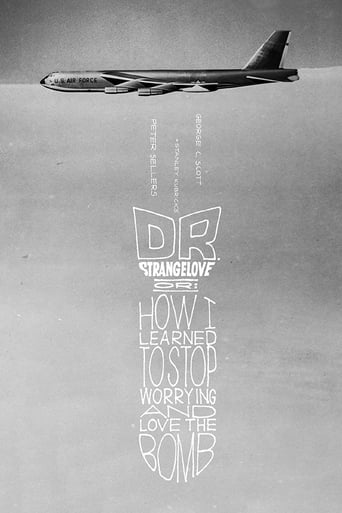
Dr. Strangelove (1964)
Kubrick's previous film also deals with technology escaping human control, in a Cold War comedy. It shows his cold, precise style before 2001 widened his scale.
See what influenced it
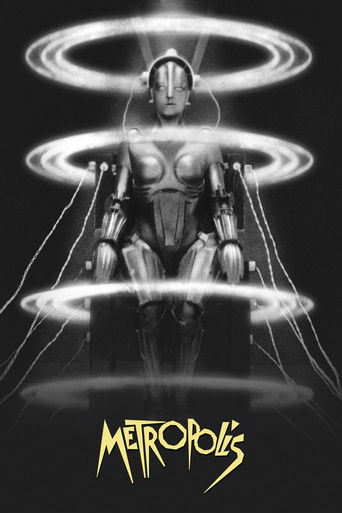
Metropolis (1927)
The great silent vision of a technological future, with a machine-human theme and imagery that helped establish science fiction as a visual art form.
Explore the era or movement
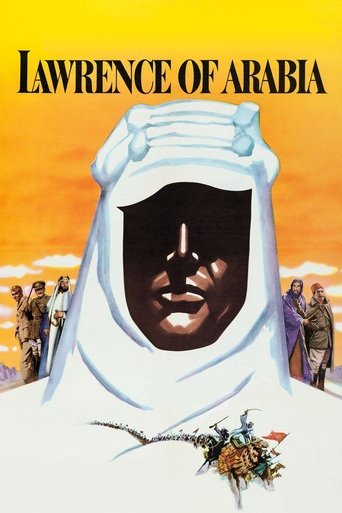
Lawrence of Arabia (1962)
Another large-format 1960s epic that depends on scale, landscape and patient, immersive filmmaking, a good companion for understanding the big-screen epic era.
See its influence
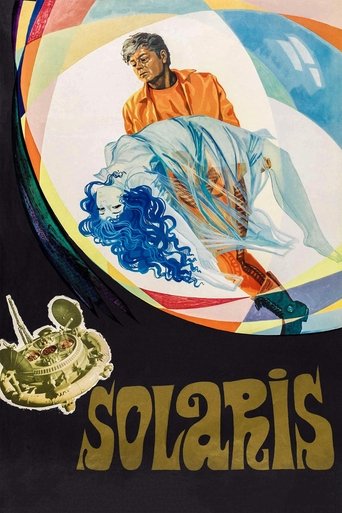
Solaris (1972)
Tarkovsky's response to 2001 keeps the slow pace and cosmic mystery but turns it inward to memory, grief and human emotion.
Jump forward
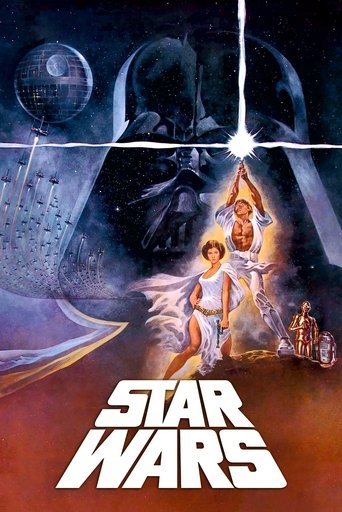
Star Wars (1977)
Shows how 2001's advances in effects and design were used to create a new kind of popular space adventure and reshape Hollywood.