

Comedy · War
Dr. Strangelove
Avg rating 9.0 / My rating TBC
1964 · Directed by Stanley Kubrick · With Peter Sellers, George C. Scott, Sterling Hayden
- Comedy
- War Film
- Auteur Cinema
- Classical Hollywood
An American general locks himself in his office and sets a nuclear attack on the Soviet Union in motion. In the Pentagon's War Room, a President, his advisers and a Soviet ambassador scramble to contain the crisis. Kubrick plays the Cold War's most frightening premise as deadpan satire.
Film info
- Runtime
- 1h 35m · 95 min
- IMDb
- 8.3 / 10 (549,187 votes)
- Rotten Tomatoes
- 98% (critics)
- Metacritic
- 97 / 100
- TMDB
- 8.1 / 10 (audience, 6,355 votes)
- Trailer
- ▶ Watch the trailer
Full cast and crew
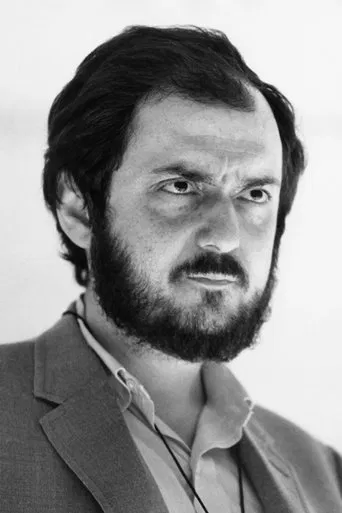
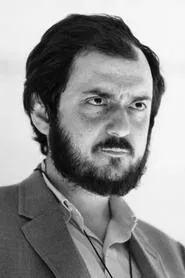
- Stanley KubrickDirector
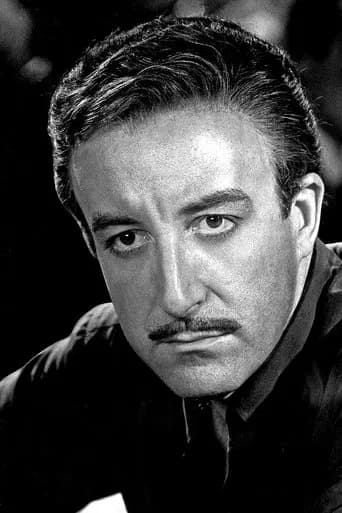
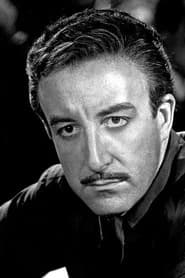
- Peter SellersActoras Group Capt. Lionel Mandrake / President Merkin Muffley / Dr. Strangelove
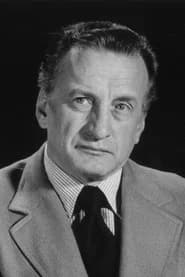
- George C. ScottActoras General 'Buck' Turgidson
- Sterling HaydenActoras Brigadier General Jack D. Ripper
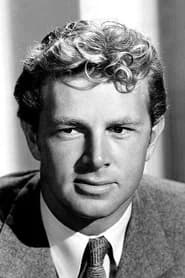
- Keenan WynnActoras Colonel Bat Guano
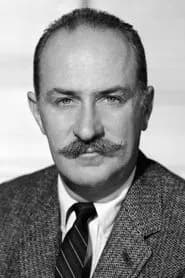
- Slim PickensActoras Major "King" Kong
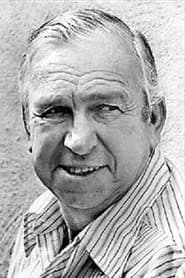
- Laurie JohnsonComposerLJ
Before watching
Spoiler-free · about 2 minutes
Short on time? Spoiler-free
A 3-minute summary
Why watch this?
The defining satire of the Cold War
Kubrick, Terry Southern and Peter George turned a serious thriller novel into the best-known black comedy about nuclear strategy, laughing at the logic that held the superpowers in place.
Peter Sellers in three separate roles
Sellers plays an RAF officer, the American President and the title scientist, each with a distinct voice and manner. It is one of the great showcases of comic range in the 1960s.
A landmark in Kubrick's career
This is the film where Kubrick moves from tense genre drama into cold, controlled comedy, and the style that carries through 2001 and later work becomes clear. Ken Adam's War Room is among cinema's most famous sets.
Why it matters in cinema history
A central film of 1960s black comedy and Cold War cinema, it showed that a mainstream studio picture could treat the possibility of annihilation as absurd, and helped open the door to the satirical American films that followed.
Watch with intention
Your lens
Watch how the film makes ordinary bureaucratic politeness and procedure funny, and how that comedy grows more uneasy as the stakes rise.
Three things to notice
- The three distinct settings: an air base, a bomber in flight and the War Room. Each has its own look, rhythm and level of comic pressure.
- Character names and speech patterns: the names are puns and the dialogue is flat and procedural, which makes it funnier.
- The War Room's design: the huge circular lighting fixture, the big board and the stark black-and-white photography, which makes the room look like a stage.
One question to carry with you
How can a film be this funny about something this serious without making the danger feel any smaller?
- Cold War anxiety
- The Cuban Missile Crisis of October 1962 was recent. Fear of nuclear war was everyday public feeling, and strategists openly discussed deterrence and mutual destruction.
- Dominant styles
- Films about nuclear danger were usually earnest and warning-minded. American studio comedy was mostly gentle, romantic or domestic, rarely political and almost never about the bomb.
- Director's moment
- Kubrick had made Paths of Glory and Lolita and was working from England, with the independence to shape the film as he chose. He began from the serious novel Red Alert.
- Release context
- The release was postponed in late 1963 after the assassination of President Kennedy. It reached audiences in January 1964, during a period of strong public concern over nuclear risk.
Where it came from
Filmmaker
Peter George and Red Alert
The serious suspense novel supplied the plot of a rogue general and a fail-safe attack, which Kubrick then turned into satire.
Film
The Great Dictator (1940)On Cinespective
Chaplin had already shown that political and military menace could be mocked on screen, with comic doubles and absurd leaders.
Film
Paths of Glory (1957)
Kubrick's earlier film also exposes the vanity and indifference of commanders and military institutions, but in a bitter, serious register.
This film
Dr. Strangelove (1964)
New at the timeA nuclear-crisis story played wholly as deadpan satire, with institutional language and procedure treated as the source of the comedy.
- Cold War nuclear fear
- The US and USSR were locked in an arms race built on deterrence and 'mutually assured destruction'. Fallout shelters, civil-defence drills and public dread were part of everyday life, and the Cuban Missile Crisis of October 1962 was a recent memory.
- Politics and paranoia
- Anti-Communist suspicion ran deep in American life, from McCarthyism to groups like the John Birch Society. Debates over fluoridation of water had become a fringe talking point. Military strategists such as those at RAND publicly discussed 'winning' a nuclear war.
- Audience mood
- Public anxiety was high, and official reassurance was widely doubted. Fears about accidents and command-and-control failures were present in popular fiction, including thrillers like Fail-Safe, which appeared around the same time. Releasing a satire was a risky choice. It was delayed after President Kennedy's assassination in November 1963.
- The filmmaker's situation
- Kubrick was an American who had settled in England and worked outside the Hollywood studio system. He read widely about nuclear strategy and began with a serious thriller before shifting to black comedy. The film was made in British studios with Columbia's backing.
- Pace
- Brisk and dialogue-driven at 95 minutes, with escalating scenes and little downtime.
- Tone
- Dry, absurdist satire. Characters play everything straight, and the jokes come from their seriousness.
- Performance
- Heightened, almost caricatured acting, especially from Sellers, George C. Scott and Sterling Hayden. It is deliberate.
- Colour/B&W
- Black and white, with documentary-style lighting in the aircraft scenes and a theatrical look in the War Room.
- Language
- English, with some Russian-accented English. No subtitles needed.
13+
Suggested age
Teens
US and GB rate it PG, France 12 and Germany 16; 13 suits the dark satire, Cold War context and dialogue-heavy style, which younger children may not follow.
Official ratings
- USPG
- UKPG
- Germany16
- France12 / TP
Good for
Teens who enjoy sharp satire and absurd comedy. Peter Sellers's performances in several roles, the claustrophobic War Room set and the black-and-white style make it a good starting point for classic cinema.
May unsettle
- Mature themes: Nuclear weapons and Cold War fear are the central subject. The humour is very dark and may leave anxious or sensitive children uneasy.
- Violence: Some brief gunfire and military action, not graphic. The tone stays satirical rather than gory.
- Dated attitudes: Includes sexual innuendo, sexist jokes and stereotyped characters typical of 1960s comedy, which may prompt conversation.
- Pace: Mostly talky, in black and white, with fast political dialogue and many military terms. Younger viewers may lose the thread.
Explain first
- In the Cold War, the USA and Soviet Union were rivals who feared each other's nuclear weapons. People really worried about this.
- This is satire: the characters are exaggerated on purpose to mock leaders and military thinking, not to show how things really work.
- It is in black and white with a lot of dialogue. Several characters are played by the same actor, Peter Sellers.
Talk about it after
Why might a filmmaker use comedy to tackle something frightening? Did the humour make the subject feel more serious or less serious to you?
Cinespective's own guidance, a draft: check it against the official ratings and your own judgement. Second opinions: Common Sense Media, IMDb (see its Parents Guide). Ratings from TMDB.