Drama
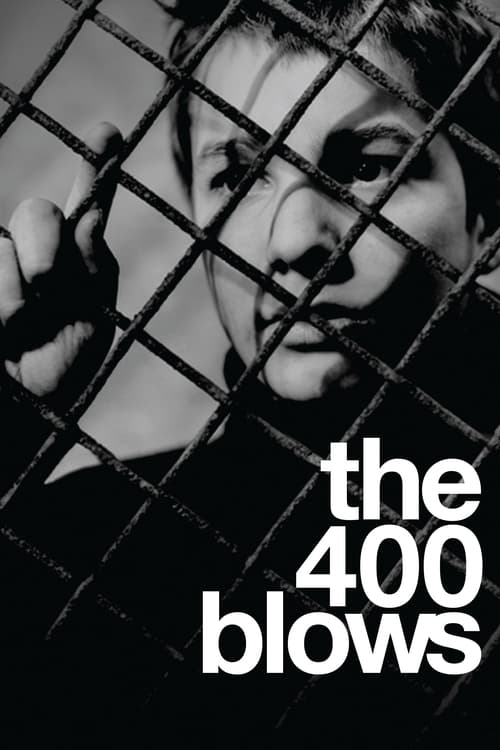
The 400 Blows
French (Les Quatre Cents Coups)
1959 · Directed by François Truffaut · 99 min


Drama
French (Les Quatre Cents Coups)
1959 · Directed by François Truffaut · 99 min
Meaning, unpacked
Central idea
The film is about a child who is misunderstood by every institution meant to care for him. It can be read as a plea for attention and tenderness, told with enough comedy and observation that it never becomes a sermon.
What it means
Antoine Doinel is a Parisian schoolboy who lies, skips class and steals a typewriter. He ends up in a youth institution, and then he runs. But the film isn't really about his misdeeds. It's about a child who is shaped, and cornered, by adults and institutions that care more about order than about understanding. His small rebellions are a search for freedom, and for someone who will actually look at him.
The sadness is in how ordinary the neglect is. His parents, his teacher and the officials are not monsters. They respond to what he does, not to who he is. His lies are clumsy, but they are the only power a boy in his position has. Rooms, rules and bars close around him, and against that the cinema, the street and the sea stand for places where he feels alive. Then the ending: a long run to the sea, a turn to the camera, a frozen image. The film asks what a boy with nowhere to go can do with freedom, and it makes you the one adult who has to look at him.
Why it mattered
This was Truffaut's first feature, and it came from a critic who had attacked the French tradition of quality. His debut was a test of his own arguments. He shot in real Paris streets, apartments and schools, which gives it a documentary texture, while the framing and rhythm stay personal. Told in loose episodes, with comedy and sudden grim turns, it shows how trouble piles up in a child's life. Few films before it treated adolescence so seriously or so truthfully.
It passed the test. At Cannes in 1959, a year after he had been an unwelcome critic there, Truffaut won Best Director. The film found big audiences in France and abroad, and it became the emblem of a new generation of filmmakers, the French New Wave. It showed what a small, personal, street-shot film could do, and it moved young people's inner lives from the margins of cinema to its centre.
Before anyone tells you what to think: what did you make of it?
Log in to rate it and leave commentsIt takes one click with Google or an email link. You come straight back here.
Rate it, keep your notes, and find the next film.
Free, no ads. Your journal, your lists, a Cine Guide that remembers you.
Create your free spaceIts influence runs through the personal first feature and through coming-of-age films that take a child's view seriously. It set the template for the intimate, naturalistic story of growing up. Truffaut and Jean-Pierre Léaud returned to Antoine Doinel in four more films over twenty years, one of cinema's earliest character studies across a lifetime. The film also earned an Academy Award nomination for its screenplay.
Today it is regarded as one of the most humane films about growing up and a cornerstone of the New Wave. Its reputation has been steady, and attention has shifted from its novelty of style to its emotional honesty. The freeze-frame ending is among the most recognised in cinema, and that last look on Antoine's face is still asking for an answer.
What happens
Antoine slips away from a football game at the juvenile centre and runs across the fields to the sea. At the water's edge he turns to face the camera, and the image freezes. His escape has led nowhere.
The last image
Antoine's face, turned straight to the camera and frozen at the edge of the sea.
Two readings
What it says
After a film of rooms, rules and bars, the sea is the first open space Antoine reaches, and it offers no way forward. Truffaut refuses a resolution, so his stare keeps asking the question the adults never answered.
Or follow an idea from this film

Explore the era or movement
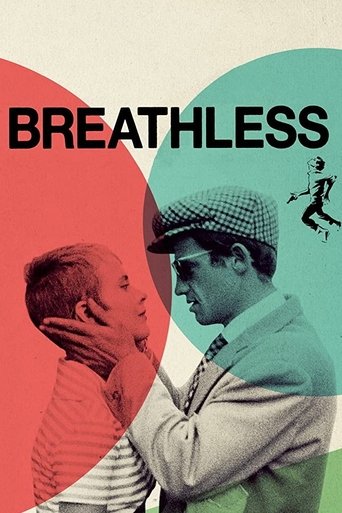
Breathless (1960)
Godard's debut, written with Truffaut's story idea, shows the New Wave's other, more radical side, with jump cuts and street shooting.
Continue the director
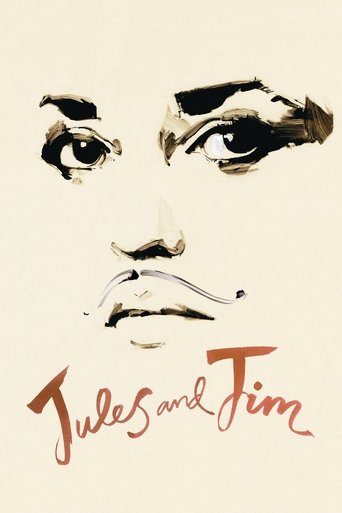
Jules and Jim (1962)
Truffaut's next major film turns from childhood to adult love, with a freer, more lyrical style.
See what influenced it
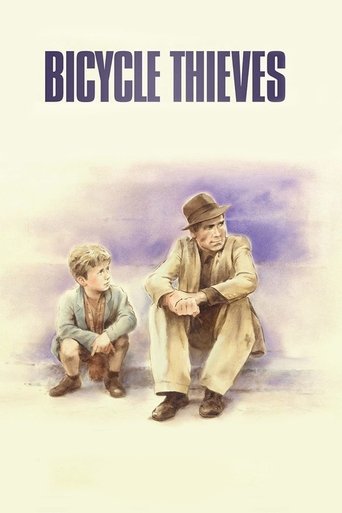
Bicycle Thieves (1948)
Neorealism's attention to ordinary people and the child's gaze on a struggling adult world is a clear ancestor.

Compare another approach
The Red Balloon (1956)
Another Paris childhood film, but a gentle fable instead of a realist drama, a revealing contrast in how cinema sees children.
Jump forward
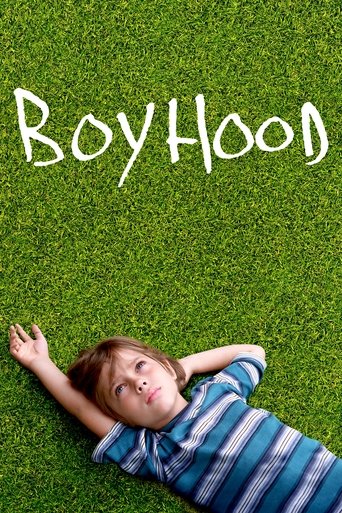
Boyhood (2014)
Linklater's film follows a child's growth over years, and shares Truffaut's patient, unforced view of a young life.