Drama · Romance
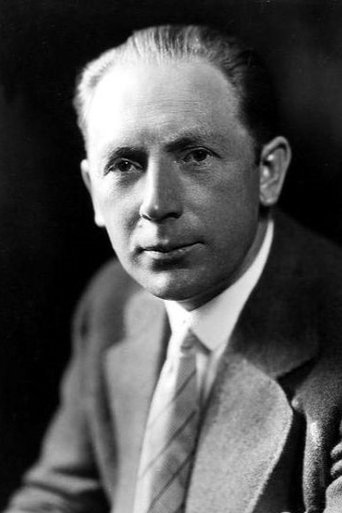
Sunrise
American (Sunrise: A Song of Two Humans)
1927 · Directed by F.W. Murnau · 94 min


Drama · Romance
American (Sunrise: A Song of Two Humans)
1927 · Directed by F.W. Murnau · 94 min







Meaning, unpacked
Central idea
The film is about how a marriage can be damaged and then rediscovered. It treats love as something that has to be re-won, and it frames the contest as one between country and city, guilt and forgiveness, darkness and light.
What it means
Sunrise is a film about a marriage that is damaged and then won back. Its subtitle says it all: A Song of Two Humans. Nobody in it has a name, only the Man, the Wife and the Woman from the City, which turns one story into a parable about any couple. A husband is tempted by a woman from the city, he and his wife travel there and find each other again, and then a storm on the lake tests them.
Its central idea is that love has to be re-won. Murnau frames this as a contest between country and city, guilt and forgiveness, darkness and light. Neither place is simply good or bad: the city first corrupts, then becomes an enchanted playground, and the middle of the film plays like a second courtship. The film is hard on the husband's weakness, yet it gives him a path to redemption. Water, weather and light act almost like moral forces, mirroring what the characters feel inside.
Why it mattered
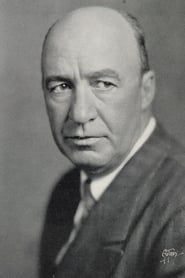
In 1927, Sunrise was a German film made in Hollywood. Fox brought Murnau over after Faust and gave him a large budget and unusual control, for a prestige project made for reputation rather than quick profit. He worked with screenwriter Carl Mayer and designer Rochus Gliese. The result joined German visual craft to the studio system.
What felt new was how much the images do. The camera floats through space, as in the long tracking shot through the marsh reeds, which carries the Man's desire and guilt without a word. Layered images let fear or longing appear over a character, so thought can be shown without text. A vast city set on the Fox lot, built with forced perspective, looked far deeper than it was. And Murnau's style could handle lightness as well as dread.
Before anyone tells you what to think: what did you make of it?
Log in to rate it and leave commentsIt takes one click with Google or an email link. You come straight back here.
Rate it, keep your notes, and find the next film.
Free, no ads. Your journal, your lists, a Cine Guide that remembers you.
Create your free spaceSunrise became a model of how fluid camerawork, layered images and designed spaces could carry emotion. Hollywood and European filmmakers absorbed that way of telling stories, and you can see it in Hitchcock's early work. At the first Academy Awards it won Unique and Artistic Production, a category never given again, plus Best Cinematography, and Janet Gaynor won Best Actress partly for her work in it.
At the time, though, critics admired it while crowds stayed away, and Fox never recovered its heavy investment. It arrived just as sound was taking over. Its reputation has grown steadily since. Restorations and revivals, often with live music, have made it widely available, and many now call it one of the greatest silent films, the peak of visual storytelling before dialogue arrived.
What happens
After the storm wrecks the boat, the Man believes his wife has drowned and turns on the Woman from the City. Then the fishermen bring his wife back alive. The Woman leaves, and the sun rises on the couple.
The last image
Morning light spreads over the village as the reunited husband and wife stand together, the night's danger behind them.
What it says
The film ends in light because it has argued that love must be won again, and the couple have now earned it. The storm tests them, and the husband only learns what he nearly lost when he believes it gone.
Or follow an idea from this film


Continue the director
Nosferatu (1922)
Murnau's earlier masterpiece shows the darker side of his style and the German origins of the techniques Sunrise brought to America.
Explore the era or movement
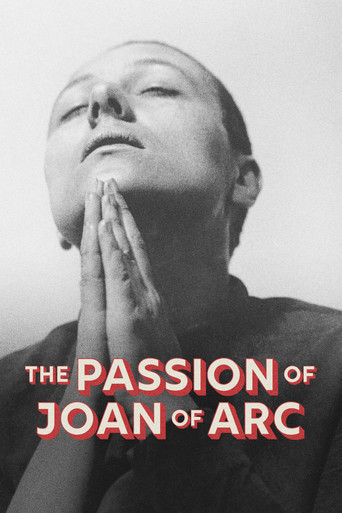
The Passion of Joan of Arc (1928)
Another late-silent landmark that pushes visual storytelling to an extreme, using faces and framing instead of words.

Compare another approach
Metropolis (1927)
Released the same year, it shows a different German approach to scale and design, focused on spectacle and social allegory.
Jump forward
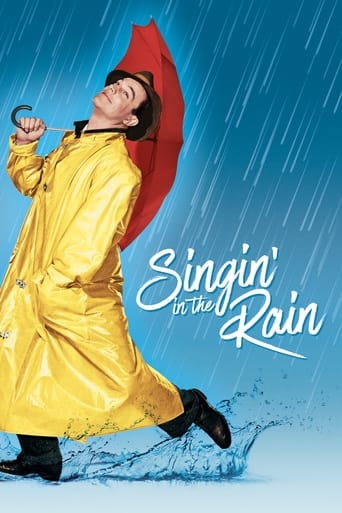
Singin' in the Rain (1952)
A comic look back at the moment when sound reshaped Hollywood, a change that was just beginning when Sunrise appeared.