


Comedy · Romance
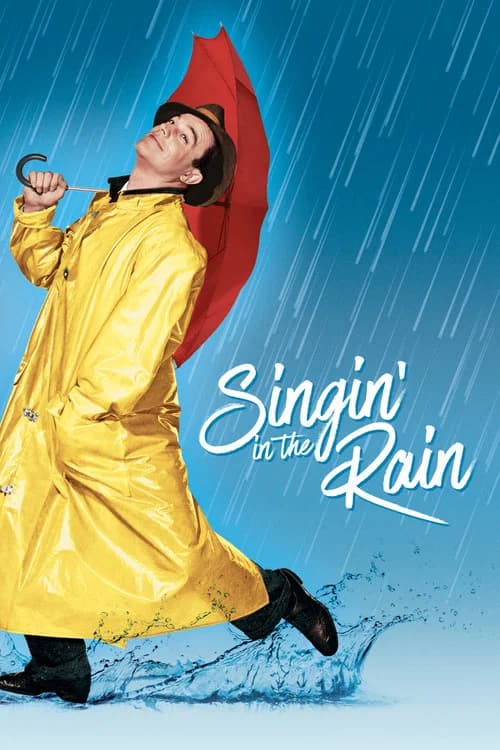
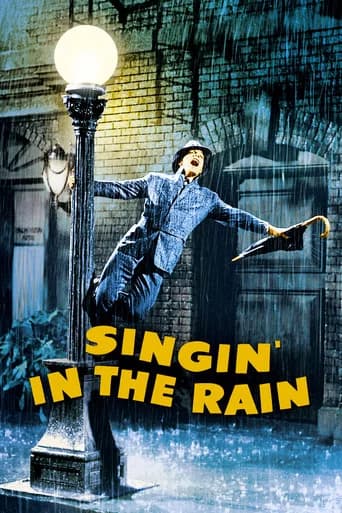
Singin' in the Rain
Avg rating 9.1 / My rating TBC
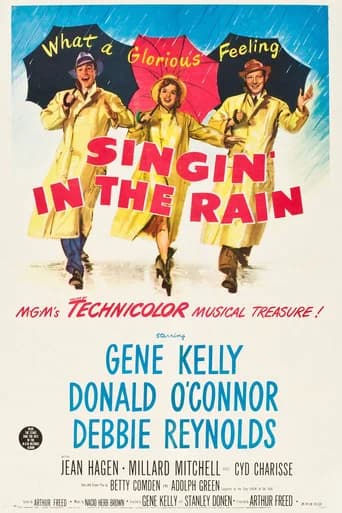
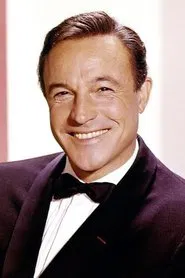
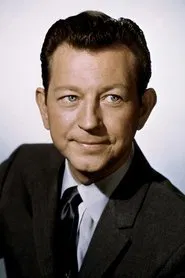
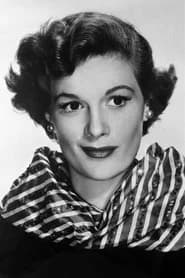
1952 · Directed by Gene Kelly & Stanley Donen · With Gene Kelly, Donald O'Connor, Debbie Reynolds
- Musical
- Classical Hollywood
- Comedy
Hollywood, 1927: a silent-screen idol and his glamorous co-star find their studio thrown into panic when talking pictures arrive. Part romance, part backstage farce, part love letter to the movies, it is told almost entirely through song and dance.
Film info
- Runtime
- 1h 43m · 103 min
- Format
- A backstage-style musical comedy. Characters sing and dance as a natural way of expressing feeling, and the film does not apologise for it.
- IMDb
- 8.3 / 10 (282,203 votes)
- Rotten Tomatoes
- 100% (critics)
- Metacritic
- 99 / 100
- TMDB
- 8.1 / 10 (audience, 3,634 votes)
- Trailer
- ▶ Watch the trailer


Before watching
Spoiler-free · about 2 minutes
Short on time? Spoiler-free
A 4-minute summary
Why watch this?
The most celebrated film musical Hollywood made
Produced by MGM's Freed Unit and co-directed by Gene Kelly and Stanley Donen, it is the peak of the studio's integrated musical, where songs and dance carry the story rather than interrupt it.
Dance staged for the camera, not just filmed
Kelly's choreography and Donen's camera work together, and the title number and Donald O'Connor's physical comedy show how movement can be designed specifically for cinema.
A comic history lesson about the arrival of sound
By satirising Hollywood's panicked move from silent to sound, it is a cheerful, accurate-in-spirit way to understand a key upheaval in film history, made with affection and sharp wit.
Why it matters in cinema history
A defining film of the Hollywood studio musical at its height, and one of the earliest major films to look back on cinema's own history with both satire and nostalgia.
Watch with intention
Your lens
Watch how often a number begins as an ordinary moment and then lifts into dance, and ask what the camera does to help.
Three things to notice
- How Kelly and O'Connor use whole bodies and props, such as furniture and walls, as comic and rhythmic instruments, with the camera keeping the full figure in view.
- How the film stages 1927 film-making: clumsy microphones, noisy cameras, studio sets. The comedy depends on small practical details of early sound.
- The shift in colour and design between everyday scenes and the stylised song-and-dance sequences, especially in the larger, more abstract numbers.
One question to carry with you
If a film's songs are older than the film, what makes them feel as though they were written for this story?
- Studio system
- MGM's Arthur Freed unit, a self-contained team of writers, composers, choreographers and designers, had made the studio the home of the musical through the 1940s and early 1950s.
- Musical tradition
- The integrated musical, in which numbers grow out of character and story, was established. Kelly had already co-directed On the Town (1949) with Donen and starred in An American in Paris (1951).
- Industry pressure
- Television was drawing audiences away, and studios had been forced to sell their theatre chains after a 1948 Supreme Court ruling. Big Technicolor spectacle was one way to bring people back.
- Songs
- Most of the score was not new. Arthur Freed and Nacio Herb Brown had written their songs in the late 1920s and 1930s, so the music itself evokes the period the film depicts.
Where it came from
Film
On the Town (1949)
Kelly and Donen's first co-directed musical, which took dance out of the studio and into real New York locations.
Film
The Jazz Singer (1927)
The film that made sound a commercial reality and which Singin' in the Rain uses as its historical turning point.
Tradition
Silent slapstick comedy
The physical comedy of Keaton, Chaplin and their contemporaries lies behind O'Connor's solo and the film's visual gags.
This film
Singin' in the Rain (1952)
New at the timeA musical about movies themselves, built on a catalogue of older songs, with athletic, camera-aware dance as its main storytelling tool.
- Postwar America
- The US was in a consumer boom, with families moving to the suburbs and buying televisions, while the Korean War and Cold War fears hung over daily life. Bright, optimistic entertainment found a ready audience.
- Hollywood under pressure
- The 1948 Paramount antitrust decree forced studios to sell their cinema chains, and television was cutting attendance. MGM, with its Arthur Freed unit, remained a stronghold of big-budget musicals.
- Politics and blacklist
- The HUAC investigations and the blacklist had shaken the film community in the late 1940s and early 1950s. Studios favoured safe, family-friendly subjects, and the Production Code still governed what could be shown.
- The filmmakers' situation
- Gene Kelly was a star and choreographer at MGM, and Stanley Donen was a younger colleague who had worked with him on On the Town. Together they were directing a film set in the Hollywood of the late 1920s.
- Pace
- Brisk and light, with comic set pieces and musical numbers spaced evenly. At 103 minutes it moves quickly and never feels heavy.
- Style
- Classic studio Technicolor with lavish sets. Numbers range from intimate duets to a large, stylised fantasy ballet.
- Performance
- Broad, physical, theatrical comedy alongside real dance technique. Expect big gestures and exaggerated reactions, played with precision.
- Format
- A backstage-style musical comedy. Characters sing and dance as a natural way of expressing feeling, and the film does not apologise for it.
- Colour and ratio
- Technicolor, in the standard Academy ratio of about 1.37:1. The picture is almost square compared to modern widescreen.
6+
Suggested age
Family
Official ratings range from G and U to FSK 12/6 in Germany; with no real scares, 6 suits children who can manage a 1950s musical of 103 minutes.
Official ratings
- USG
- UKU
- Germany12 / 6
- FranceTP
Good for
Joyful song-and-dance numbers, slapstick humour and a light romance. Children who enjoy musicals or physical comedy may love the splashing title number and Cosmo's energetic clowning.
May unsettle
- Pace: Some dialogue-heavy stretches and a long dream-style ballet sequence may test the patience of younger children used to faster modern films.
- Dated attitudes: Period gender stereotypes and a mocking portrayal of a woman with an unpleasant voice appear. Mild by today's standards, but may prompt a chat.
- Mild peril: A few brief comic moments of embarrassment and mild physical mishap, all played for laughs rather than tension.
Explain first
- It is set in the late 1920s, when films had no recorded speech and studios scrambled to adapt to new sound technology.
- The film is in vintage Technicolor and made in 1952, so the look, pace and humour are old-fashioned. It's worth giving it a chance.
Talk about it after
Which song-and-dance number was your favourite, and what made it feel so joyful or funny to watch?
Cinespective's own guidance, a draft: check it against the official ratings and your own judgement. Second opinions: Common Sense Media, IMDb (see its Parents Guide). Ratings from TMDB.