Horror · Thriller · Mystery
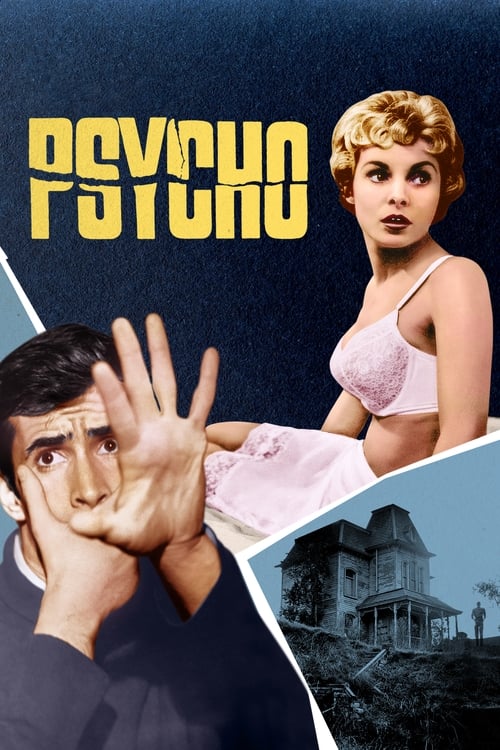
Psycho
American
1960 · Directed by Alfred Hitchcock · 109 min


Horror · Thriller · Mystery
American
1960 · Directed by Alfred Hitchcock · 109 min
Meaning, unpacked
Central idea
The film can be read as an exploration of how thin the line is between the respectable and the monstrous. Ordinary people are trapped by private pressures, and the film implicates the viewer's own watching.
What it means
Psycho starts as the story of a woman who steals money and stops at a lonely motel. A third of the way in she is killed, and the film turns to the shy man who runs the place. The fruit cellar reveals his divided self. Underneath, it asks how thin the line is between the respectable and the monstrous. These are ordinary people, held in place by private pressures: Marion has her money, Norman has his mother, and others are trapped by work and duty.
Many characters wear one face and hide another, and the film builds toward a literal splitting of identity. Family, especially mother and child, becomes a source of horror, with the dead and the domineering pressing down on the living. It keeps asking for sympathy where you expect judgment, since Marion is a thief and Norman is isolated. And the camera keeps peering through windows and peepholes, so you become a watcher too, made to feel you shouldn't be looking.
Why it mattered
In 1960 the shower scene broke the Hollywood rule that stars survive. Hitchcock killed his apparent lead a third of the way in and handed your sympathy to someone else. The scene suggests violence without ever showing the knife enter a body, and Bernard Herrmann's shrieking strings turn editing into pure sensation. Cutting works for rhythm and implication, and what you imagine matters as much as what you see.
It was also a gamble. Paramount disliked the project, so Hitchcock paid for it through his own company, used his television crew, and took a deferred salary for a large share of the film. Black-and-white photography gave it a plain, documentary look, and the Gothic house above the modern motel split the setting between the everyday and the uncanny. Hitchcock sold it as an event too: nobody was admitted once the film began, which was unusual then.
Before anyone tells you what to think: what did you make of it?
Log in to rate it and leave commentsIt takes one click with Google or an email link. You come straight back here.
Rate it, keep your notes, and find the next film.
Free, no ads. Your journal, your lists, a Cine Guide that remembers you.
Create your free spaceReviews were mixed. Some critics saw a tasteless shocker, and a few were hostile, but audiences queued around cinemas. It became one of the biggest hits of Hitchcock's career, far above its modest cost, and earned four Oscar nominations, including Janet Leigh for Best Supporting Actress and Hitchcock for Best Director. It helped create the template for the slasher and the psychological thriller, from Italian giallo to John Carpenter's Halloween and Brian De Palma's thrillers.
The shower has been parodied in Mel Brooks's High Anxiety and The Simpsons, and Norman shaped the popular image of the polite, disturbed killer. There were sequels, a 1998 remake and the series Bates Motel. In 1993, Douglas Gordon slowed the film to a full day in 24 Hour Psycho. Critics reassessed it in the following years, and today it is a central Hitchcock achievement and a basic text in film study. Its tricks are so familiar that new viewers can underestimate how radical they were.
What happens
Lila finds Mrs. Bates's mummified corpse in the cellar, and Norman, dressed as his mother, is stopped from stabbing her. A psychiatrist explains that Norman has become his mother. In a cell, her voice takes over his silence.
The last image
Marion's car is hauled out of the swamp, dripping and slow, closing the film on what Norman tried to bury.
What it says
Norman is not a monster who hides behind a mask. He is a trapped, divided person, and the tidy diagnosis cannot contain that. The film ends on dread because it wants the unease to stay with you.
Or follow an idea from this film

Continue the director
Vertigo (1958)
Hitchcock's richer, more dreamlike study of obsession and false identity, and a natural companion to Psycho's colder precision.
Follow the idea
M (1931)
Fritz Lang's thriller also asks the audience to look closely at a disturbed killer and complicates easy judgment.
Compare another approach
Peeping Tom (1960)
Michael Powell's film appeared the same year and also turns the audience's looking into a source of horror, but drew a harsher response at the time.
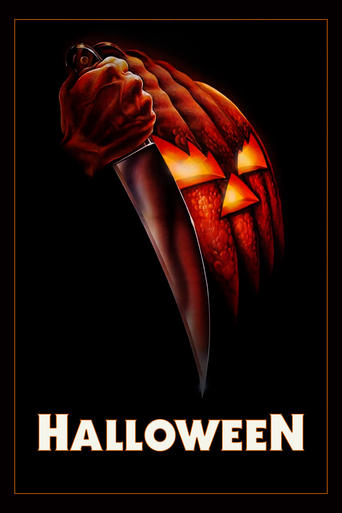
See its influence
Halloween (1978)
Carpenter's low-budget thriller shows how Psycho's methods became the base of the slasher genre.
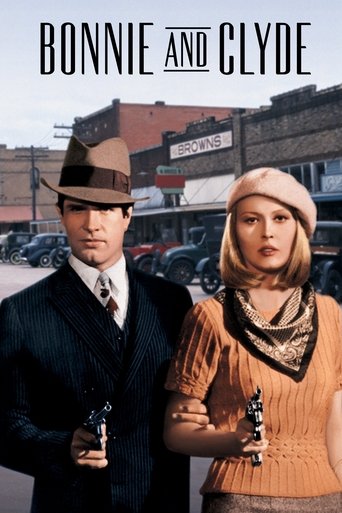
Jump forward
Bonnie and Clyde (1967)
Another film that shocked audiences by killing characters they cared about, marking a new frankness about screen violence.