Drama · Western
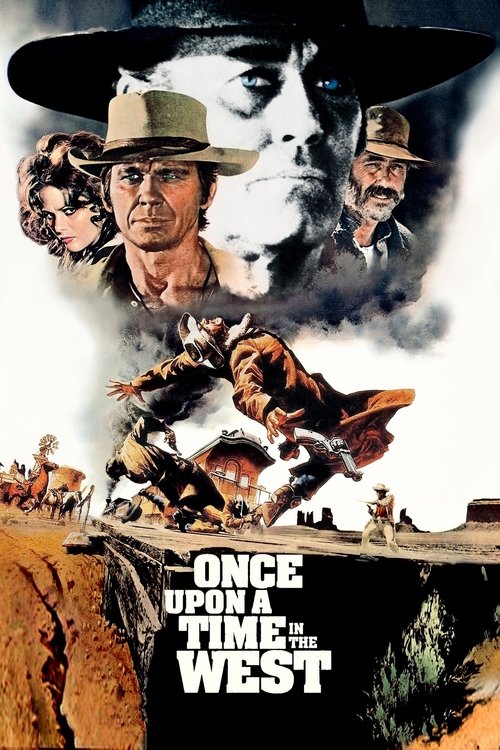
Once Upon a Time in the West
Italian (C'era una volta il West)
1968 · Directed by Sergio Leone · 166 min


Drama · Western
Italian (C'era una volta il West)
1968 · Directed by Sergio Leone · 166 min



Meaning, unpacked
Central idea
The film can be read as a requiem for the mythic West. It shows a world of gunfighters and outlaws giving way to trains, money and law, and treats that transition as both inevitable and sad.
What it means
Once Upon a Time in the West is best understood as an elegy. Leone mourns a West of lone gunmen, honour and open land, and shows it giving way to money, railways and institutions. It is also a genre looking at its own ending, reusing images from earlier Westerns, and casting against type, to ask what the Western meant and what it hid.
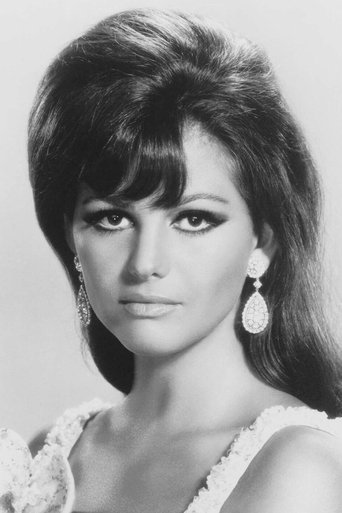
The railroad makes the gunman obsolete, yet still relies on gunmen to clear its path. A dry patch of land is worth a fortune only because of what will pass through it, and the auction shows land, reward money and violence tangled together in a public ritual. Revenge is tied to memory: one man's purpose is released in fragments, so his violence comes from an old wound. And Jill, the outsider, becomes the practical centre of the story, the one who builds rather than destroys.
Why it mattered
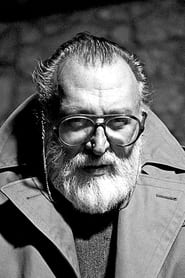
In 1968 this was Leone's most ambitious Western, made with Paramount's backing and with some scenes shot in Monument Valley, the landscape made famous by John Ford. Much of the rest was shot in Spain and at Cinecittà in Rome, blended into one imagined West. The story grew from talks between Leone and two young critics, Dario Argento and Bernardo Bertolucci, who later became directors themselves.
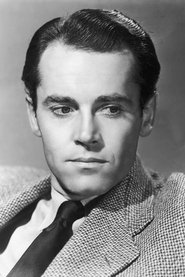
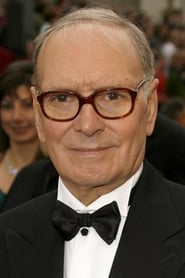
Its methods were fresh. Ennio Morricone wrote the music before filming, and Leone played it on set so actors and camera could move to it, when scores were usually added afterwards. Leone stretched scenes far past their normal length, so that waiting became the drama, and alternated vast landscapes with extreme close-ups of eyes and faces. Casting became storytelling too: Henry Fonda, who spent his career playing honest heroes, plays the killer, and the shock depends on that history.
Before anyone tells you what to think: what did you make of it?
Log in to rate it and leave commentsIt takes one click with Google or an email link. You come straight back here.
Rate it, keep your notes, and find the next film.
Free, no ads. Your journal, your lists, a Cine Guide that remembers you.
Create your free spaceIts stretched time, extreme close-ups and music-led staging became touchstones for later directors, from Quentin Tarantino to Clint Eastwood's later Westerns and the modern revisionist Western. It also gave Leone the confidence to make Once Upon a Time in America. Jill's theme, a soaring wordless voice sung by Edda Dell'Orso, is one of the most recognisable pieces of film music, even to people who have never seen the film.
It was not an instant classic everywhere. It drew big audiences in Europe, especially France, but in the United States a shortened version did poorly, and many critics dismissed it as slow and violent. Its reputation grew later, largely through restored longer cuts. Today it is widely named among the greatest Westerns, and the slowness once criticised is now seen as ritual. Perhaps that's the last irony: a farewell to the old West, and also the way many of us now remember it.
What happens
Frank kills Morton's men and is lured into a duel with the harmonica player. A flashback shows Frank once made him watch his brother die. Frank dies, Cheyenne dies of his wounds, and Jill brings water to the railroad workers.
The last image
Jill carries water to the men laying track as the railroad reaches Sweetwater, while the harmonica player rides away with Cheyenne's body.
What it says
The gunmen win their private fights and still lose the age they belong to. The railroad arrives anyway, and Jill, who builds rather than kills, carries on. Leone ends the old West with a farewell, not a victory.
Or follow an idea from this film
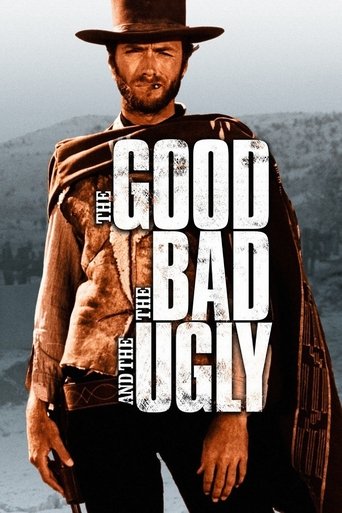

Continue the director
The Good, the Bad and the Ugly (1966)
Leone's earlier western, where his style of long duels and music-driven tension is more compact and playful, shows how he got to this film.
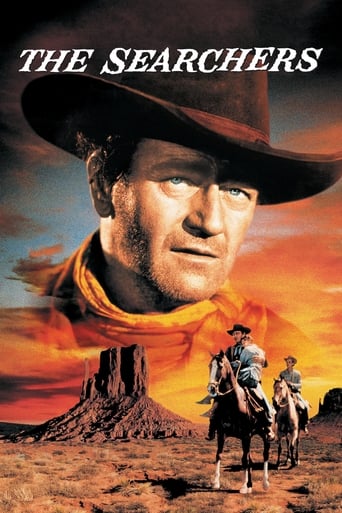
See what influenced it
The Searchers (1956)
John Ford's landscape, myth and wandering avenger are the American tradition Leone is answering and reworking.
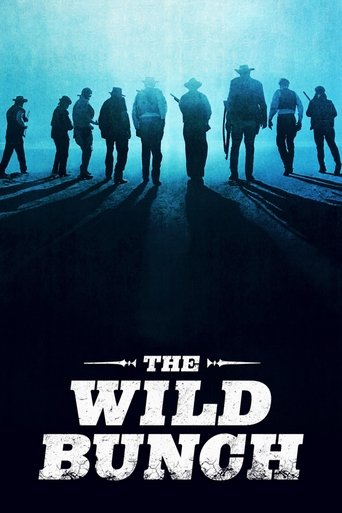
Explore the era or movement
The Wild Bunch (1969)
Sam Peckinpah's western, released a year later, is another view of the end of the Old West, with a more American, violent sensibility.
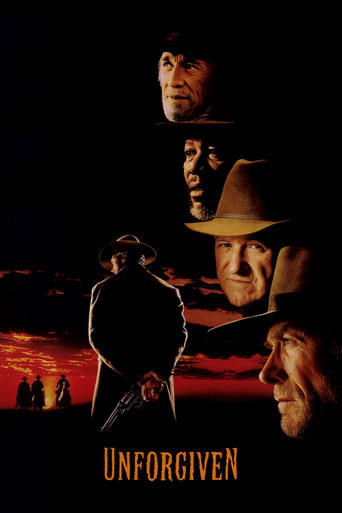
See its influence
Unforgiven (1992)
Eastwood, a Leone star, uses the genre to reflect on its myths, showing how Leone's elegy continued.
Jump forward
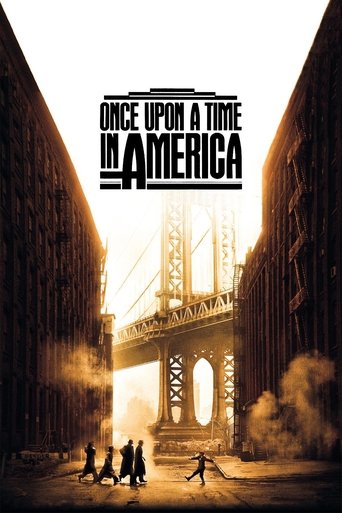
Once Upon a Time in America (1984)
Leone's final film extends his handling of time, memory and music into a gangster epic spanning decades.