

Western
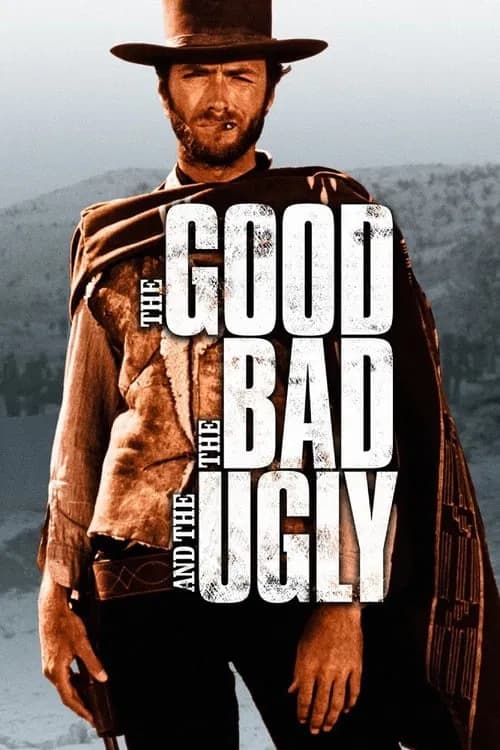
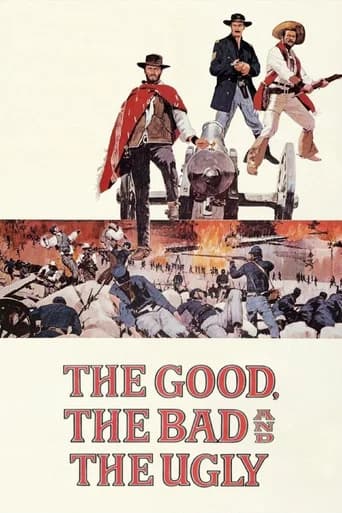
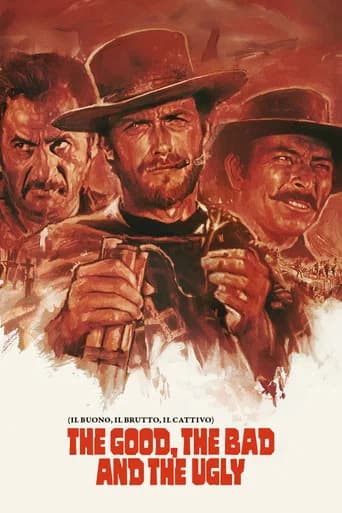
The Good, the Bad and the Ugly
Avg rating 9.0 / My rating TBC
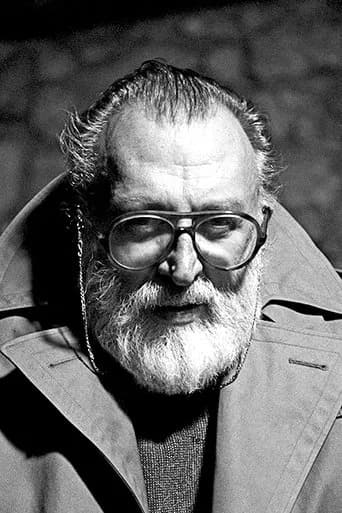
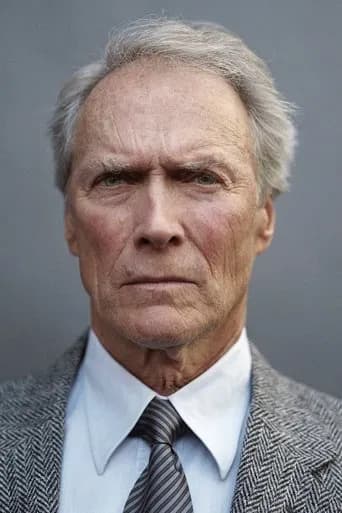
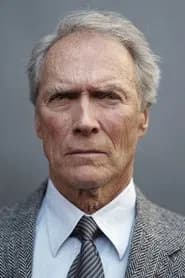
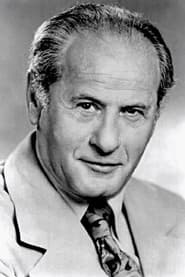
1966 · Directed by Sergio Leone · With Clint Eastwood, Eli Wallach, Lee Van Cleef
- Spaghetti Western
- War Film
- Auteur Cinema
Three gunmen, none of them honest, chase a fortune in buried Confederate gold across a Southwest torn up by the Civil War. Sergio Leone turns a treasure hunt into a sprawling, darkly funny, operatic Western built on silence, close-ups and music.
Film info
- Runtime
- 2h 41m · 161 min
- Format
- Colour, widescreen at about 2.35:1. Best watched on the largest screen available.
- IMDb
- 8.8 / 10 (889,734 votes)
- Rotten Tomatoes
- 97% (critics)
- Metacritic
- 90 / 100
- TMDB
- 8.5 / 10 (audience, 9,990 votes)
- Trailer
- ▶ Watch the trailer
Before watching
Spoiler-free · about 2 minutes
Short on time? Spoiler-free
A 3-minute summary
Why watch this?
The film that defines the Spaghetti Western
This is the summit of Sergio Leone's Dollars films and the most celebrated Italian Western ever made. It fixed the genre's look: extreme close-ups, wide vistas, and cynical antiheroes in place of clean-cut heroes.
Ennio Morricone's score is a character
Music is not decoration here. Morricone's coyote-like main theme, and the long final build, drive entire sequences. Leone stages scenes as if composed for the music.
Patience turned into spectacle
At 161 minutes, the film stretches silence, stares and waiting into set pieces. It shows how cinema can create tension through time and framing rather than dialogue.
Why it matters in cinema history
A defining film of the Spaghetti Western and the conclusion of Leone's Dollars trilogy. It reworked a classic American genre from a European point of view, with irony, violence and grand stylisation.
Watch with intention
Your lens
Watch it as a film built like music: time, silence and faces are orchestrated, and the story is secondary to rhythm.
Three things to notice
- How often Leone cuts from vast landscapes to extreme close-ups of eyes, and how that sudden change in scale builds suspense.
- How long scenes hold before anyone speaks or acts, and what the sound of wind, flies, boots and music fills the silence with.
- How the Civil War sits behind the treasure hunt: who the three men are loyal to, and whether it seems to matter to them.
One question to carry with you
Each man calls himself, or is called, something different: who in this film do you trust, and does your answer change as it goes on?
- Genre
- The classical Hollywood Western, with its moral clarity and noble lawmen, was fading. Italian producers revived the form cheaply, shooting in Spain and treating it with irony and a harsher physical world.
- Industry
- Co-production between Italy, Spain and West Germany was common. Films were shot without live sound and dubbed afterwards, so image and music could be shaped with unusual freedom.
- Director's moment
- After A Fistful of Dollars (1964) and For a Few Dollars More (1965), Leone had the budget, a major United Artists distribution deal and the freedom to go larger.
- Technology
- Shot in widescreen Techniscope, the film lets Leone place faces and landscapes in the same frame, switching between enormous distance and intense close-up.
Where it came from
Film
A Fistful of Dollars (1964)
Leone's first Western, itself inspired by Kurosawa's Yojimbo, established the cynical antihero, the Morricone sound and the style that this film expanded.
Film
Stagecoach (1939)On Cinespective
John Ford's classic established the Western's landscapes and character types. Leone drew on them while rejecting their moral clarity.
Film
Seven Samurai (1954)On Cinespective
Kurosawa's samurai epics, and Yojimbo in particular, taught Leone how to treat violence and humour in a stylised, realistic way.
This film
The Good, the Bad and the Ugly (1966)
New at the timeIt treated a Western as a stylised, morally cynical epic, set against the Civil War, where editing, faces and music matter more than dialogue.
- Country and moment
- Italy was in the tail end of its postwar economic miracle. Audiences filled cinemas, and Italian producers sold cheap, export-friendly genre films across Europe and beyond.
- Economy and co-production
- The film was financed by Italian, Spanish and West German interests, with United Artists backing distribution. Spain offered cheap labour, wide landscapes and Spanish army extras for the battle scenes, under Franco's regime.
- Politics and history
- The story is set in the American Civil War, but it was made in a Europe still shaped by the Second World War and the Cold War. Leone's view of war is cynical, treating it as waste rather than glory.
- The filmmaker's situation
- Leone had come from assisting on Italian historical epics. After A Fistful of Dollars and For a Few Dollars More, he now had far more money and creative freedom, and this was the final film of his so-called Dollars trilogy.
- Pace
- Deliberately slow, with long silent build-ups, broken by sudden violence and comic episodes. Allow for its length.
- Style
- Operatic and stylised: extreme close-ups, wide compositions, dark humour, and a heightened, almost mythic version of the Old West.
- Sound
- Dialogue was dubbed after shooting, as was standard in Italian cinema, so lip-sync can look slightly loose. Morricone's score is prominent.
- Format
- Colour, widescreen at about 2.35:1. Best watched on the largest screen available.
- Versions
- The original Italian release ran longer than the first US release. Restored editions include extra scenes, so runtimes vary.
- Language
- Mostly English-language versions are circulated, though the cast spoke different languages on set. Subtitles may be used in some editions.
15+
Suggested age
Teens
Ratings range from France's all-audiences to Britain's 18, with the US at R and Germany at 16. As a long, violent film it suits mid-teens watching with you.
Official ratings
- USR
- UK18
- Germany16 / 18
- FranceTP
Good for
Teens who enjoy stylish, tense adventure: striking desert landscapes, Ennio Morricone's famous score, dark humour, and long, suspenseful showdowns that reward patient viewing.
May unsettle
- Violence: Frequent gunfights and killings, usually quick and not very bloody, but treated casually and sometimes with dark humour.
- Intensity: Includes a prolonged scene of cruelty that is more disturbing for what is heard and implied than for what is shown.
- War imagery: Large-scale battle scenes show many casualties and the suffering of wounded soldiers, with a bleak view of war.
- Pace: At nearly three hours, with long wordless stretches, it can test the patience of younger or restless viewers.
Explain first
- It is set during the American Civil War, the conflict between the Union and Confederate sides, which forms the backdrop to the story.
- Leone's style uses long silences, extreme close-ups and slowly built tension, so the leisurely pace is deliberate rather than a flaw.
- This is a stylised, darkly comic Western, not a realistic one, and its tone about violence and morality is cynical.
Talk about it after
Why do you think the film lets scenes run so long without dialogue, and how did that affect the tension you felt?
Cinespective's own guidance, a draft: check it against the official ratings and your own judgement. Second opinions: Common Sense Media, IMDb (see its Parents Guide). Ratings from TMDB.