Horror · Fantasy
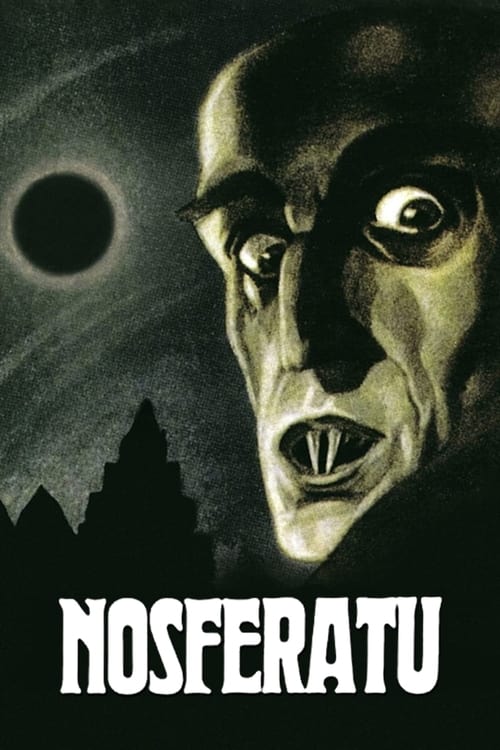
Nosferatu
German
1922 · Directed by F.W. Murnau · 94 min


Horror · Fantasy
German
1922 · Directed by F.W. Murnau · 94 min
Meaning, unpacked
Central idea
The film can be read as an account of dread as something that arrives from outside a settled, ordinary world and cannot be reasoned with. Its monster is a force more than a character, and love, in the form of sacrifice, is the only thing that can stand against it.
What it means
A stranger arrives from the East, and death follows him home. The plot is simple: Hutter visits the Count's castle, Orlok travels west by ship, and Ellen gives herself to him until the dawn destroys him. What matters is how the film feels. You can read it as dread that comes from outside a settled, ordinary world and cannot be reasoned with. Orlok has no charm and no speeches. He is less a character than a force, and he simply advances.
The film's themes sit inside that dread. Orlok brings disease with him, and it can be read, though this is interpretation, as echoing Weimar anxieties about illness, war and strangers. People in authority dismiss every warning, while the knowledge that counts sits in old books, not in the sensible world of business. Evil is tied to nature, through predators, storms and the tide. His hunger for Ellen has erotic overtones, so desire itself starts to look predatory. The only thing that stands against him is love, in the form of Ellen's sacrifice at dawn.
Why it mattered
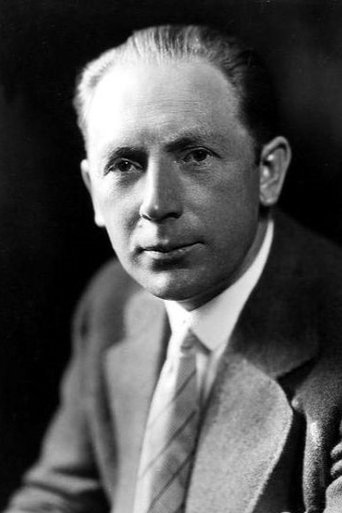
Nosferatu showed that atmosphere alone could carry a horror feature, with no dialogue and no effects budget. Murnau and cinematographer Fritz Arno Wagner shot on real locations, including the Carpathians in Slovakia and northern German ports. That set the film apart from the painted, studio-bound stylisation of Caligari, and it made the supernatural feel almost documentary.
Before anyone tells you what to think: what did you make of it?
Log in to rate it and leave commentsIt takes one click with Google or an email link. You come straight back here.
Rate it, keep your notes, and find the next film.
Free, no ads. Your journal, your lists, a Cine Guide that remembers you.
Create your free spaceIts tools were images, shadow and rhythm. The ship becomes a closed space where fear spreads. The shadow on the stairs makes menace from light and shape alone. Parallel cutting links Orlok's progress to events elsewhere, so dread builds across distance, and cutaways to nature give the film ominous pauses. Albin Grau, who co-founded Prana Film, produced the picture and designed its look, shaped by his interest in the occult. The film also helped establish horror as a genre with its own visual language.
Its imagery shaped how later films pictured vampires, from Universal's Dracula to Werner Herzog's remake. Orlok's bald head, pointed ears and claw-like fingers became an icon, distinct from the suave Dracula, and even SpongeBob SquarePants parodies him. His shadow and silhouette became standard shorthand for menace. The film's own making has become a subject too: Shadow of the Vampire, from 2000, imagines the lead actor as a real vampire.
Its reputation grew slowly. It premiered in Berlin in March 1922 to mixed or positive reviews, but a lawsuit cut its run short and Prana went bankrupt soon after. Screenings abroad, restorations and the rise of film scholarship rebuilt its standing. Today it is seen as a high point of German silent cinema and a founding work of horror, admired for its images more than its plot, and often shown with live organ or orchestral scores, especially around Halloween.
What happens
Ellen invites Orlok to her room and keeps him there until morning. He loses track of time while feeding, and the sunrise destroys him. Ellen dies in Hutter's arms, and the plague that gripped Wisborg ends.
The last image
The ending is not ambiguous in plot: Orlok is gone with the dawn, and the stricken town is left in the light that has freed it.
What it says
The ending says that love, in the form of sacrifice, is the only thing that can stand against a force you cannot reason with. Light, the opposite of the shadows Orlok lives in, becomes the film's moral power, and the cost of victory is Ellen's life.
Or follow an idea from this film

Continue the director
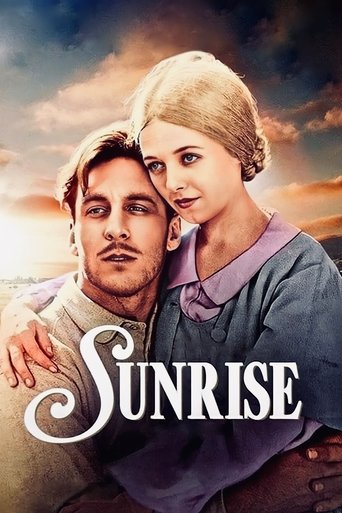
Sunrise (1927)
Murnau's Hollywood work shows his visual mastery and fluid camera in a very different, romantic story, and is among the greatest silent films.
Explore the era or movement
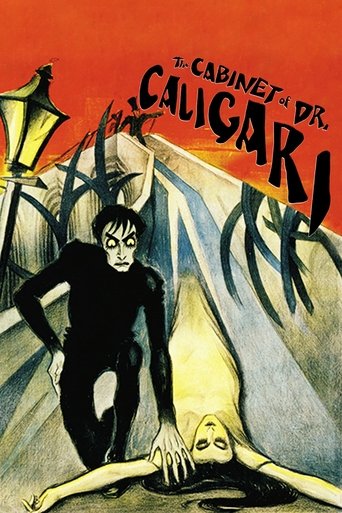
The Cabinet of Dr. Caligari (1920)
The film that made Expressionism famous. Compare its painted, distorted sets with Nosferatu's real locations.
See its influence
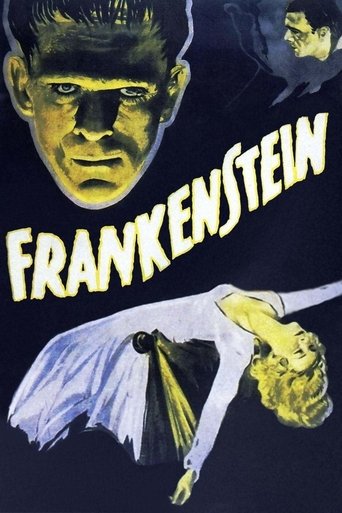
Frankenstein (1931)
Universal's early sound horror, with a monster whose image defined the genre. Compare how it uses sets, shadow and sympathy.
Jump forward
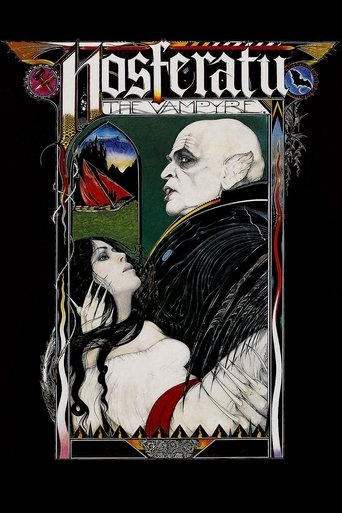
Nosferatu the Vampyre (1979)
Herzog's remake shows how a later director reimagined Murnau's images and story in colour and sound.
Compare another approach
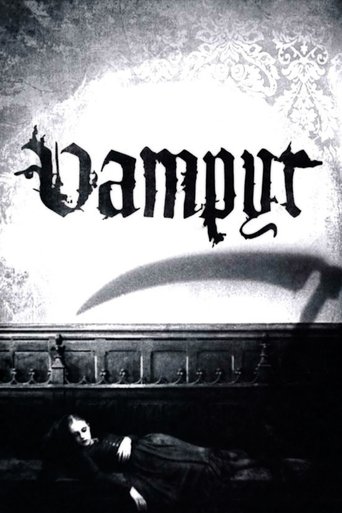
Vampyr (1932)
Dreyer's early sound vampire film builds dread through dreamlike light, an alternative to Murnau's approach.