Drama · Horror · Science Fiction
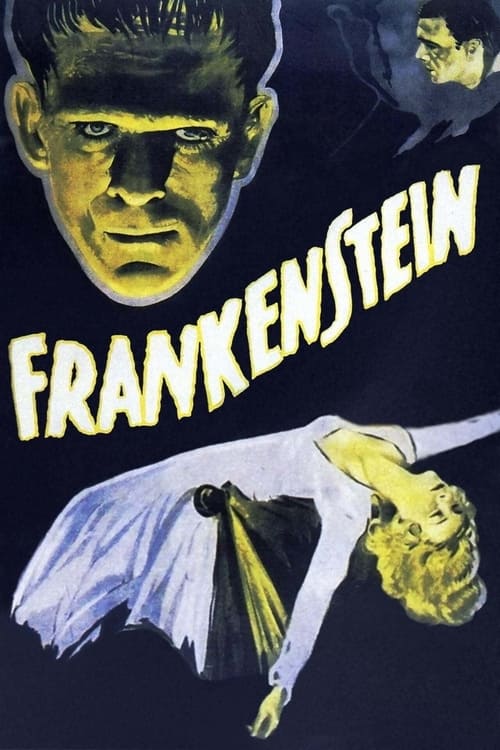
Frankenstein
American
1931 · Directed by James Whale · 70 min


Drama · Horror · Science Fiction
American
1931 · Directed by James Whale · 70 min


Meaning, unpacked
Central idea
The film can be read as a story about responsibility: a man creates life, then recoils from what he has made. The tragedy is as much about neglect and fear as about science overreaching.
What it means
A scientist makes life, then recoils from what he has made. The creature, frightened and mistreated, is hunted by a mob and driven to a burning windmill. But the film's real interest is responsibility. Henry is thrilled by the act of creation and far less interested in what comes after. The tragedy is as much about neglect and fear as it is about science overreaching.
The creature's violence grows out of fear, cruelty and confusion. You can read the film as saying that humans make monsters as much as laboratories do, and the villagers confirm it, meeting the unfamiliar with panic and torches. The lakeside scene with Maria is the moral centre, setting the creature's innocence against his strength. He never gets a name, and perhaps that is the saddest detail of all: nobody cared enough to give him one.
Why it mattered
Frankenstein arrived in 1931 as a defining film of Universal horror. It brought together the Gothic monster story, German Expressionist design and early sound cinema, and Hollywood kept reusing the mix. Following Dracula earlier that year, it made horror a lasting studio genre, with James Whale as its most stylish director.
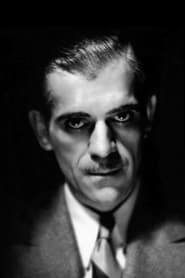
It also set new templates. The creation scene, with its sparking apparatus, defined the mad-scientist laboratory. Jack Pierce's makeup gave Boris Karloff a mask simple enough to read at a glance, yet one that still let him show nuance. And Whale used almost no continuous score, letting thunder, machinery and silence carry the tension. Audiences were shaken, some local censors cut it, and it was a major commercial success. It made Karloff a star almost at once.
Before anyone tells you what to think: what did you make of it?
Log in to rate it and leave commentsIt takes one click with Google or an email link. You come straight back here.
Rate it, keep your notes, and find the next film.
Free, no ads. Your journal, your lists, a Cine Guide that remembers you.
Create your free spaceThe film launched Universal's Frankenstein series, including Whale's richer sequel, Bride of Frankenstein. Its look shaped later horror, from Hammer's revivals to the parody of Young Frankenstein. The bolted neck, the stiff-armed walk and the cry of "It's alive!" are now Halloween staples, and "Frankenstein" has become a label for science out of control, as in "Frankenfood."
Today it is regarded as the central film of classic Hollywood horror. All that copying can make it seem like a cliché, but watch it fresh and what stands out is how restrained, sad and compact it is. For next steps, try Bride of Frankenstein, then Mary Shelley's novel, to meet the articulate creature the film left behind.
What happens
The villagers chase the creature to a windmill and set it on fire with him inside. Henry, thrown from the mill, survives and will recover and marry Elizabeth. The ending restores ordinary life, and the creature is simply destroyed.
The last image
Henry's father raises a toast to his son's recovery and coming marriage, and the creature's fate in the burning mill is left behind.
What it says
The film ends on a toast because the mob and the family want the problem gone, not understood. Henry is never made to answer for what he made, and the creature, who never even got a name, is burned for others' fear and neglect.
Or follow an idea from this film
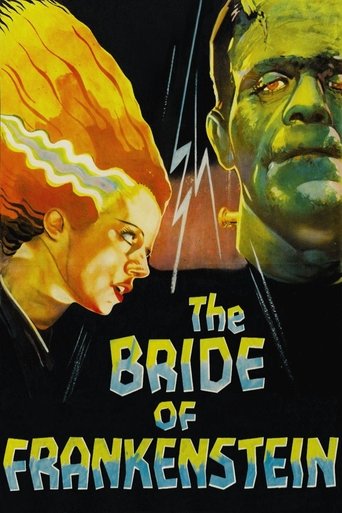

Continue the director
Bride of Frankenstein (1935)
Whale's sequel deepens the creature's inner life and adds dark humour, and shows how far he could push the original's ideas.
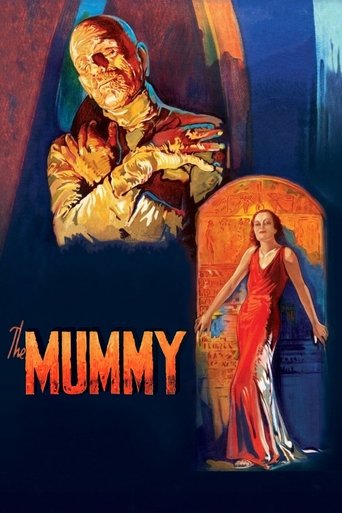
Explore the era or movement
The Mummy (1932)
Karloff returns in Universal's next Gothic cycle entry, which shows how the studio varied its formula with a slower, more romantic monster.
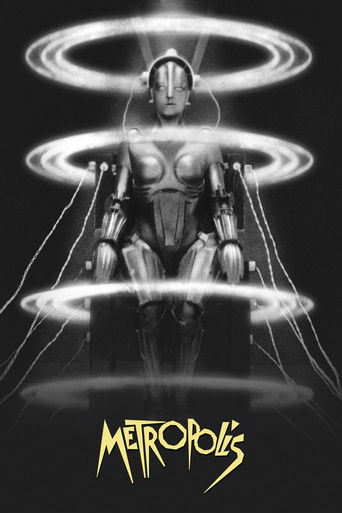
See what influenced it
Metropolis (1927)
Lang's silent epic gives you the laboratory, the artificial being and the scientist's ecstasy that Whale's film adapted for sound.
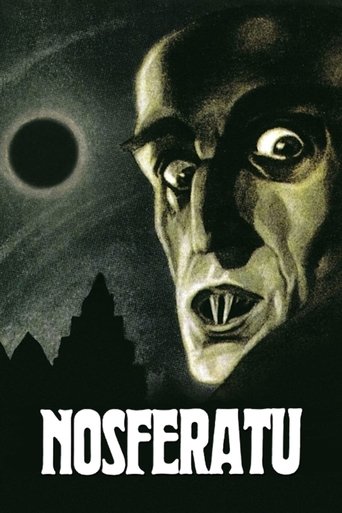
Compare another approach
Nosferatu (1922)
A silent-era monster film that is pure Expressionist dread, useful for comparing a monster who is only menacing with one who is also pitiable.

See its influence
Young Frankenstein (1974)
Mel Brooks's loving parody is the clearest evidence of how deeply this film's images have entered popular culture.