Drama · Crime · Romance
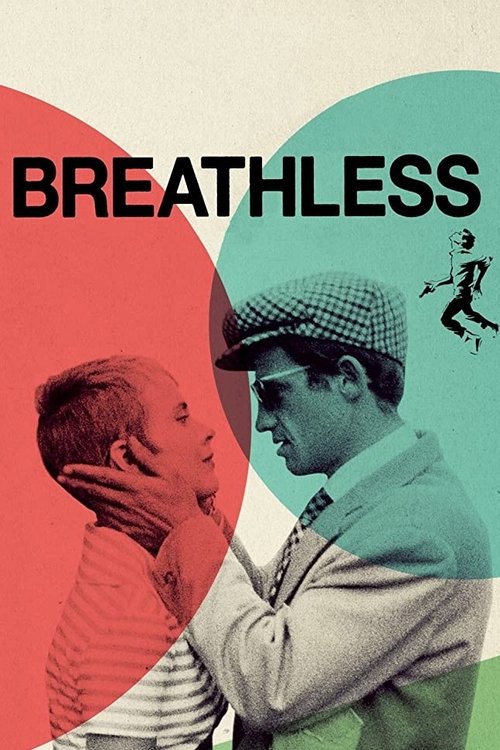
Breathless
French (À bout de souffle)
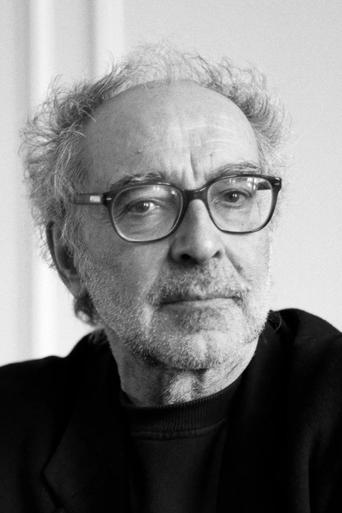
1960 · Directed by Jean-Luc Godard · 90 min


Drama · Crime · Romance
French (À bout de souffle)
1960 · Directed by Jean-Luc Godard · 90 min




Meaning, unpacked
Central idea
The film can be read as an exploration of identity built from borrowed images. A young man lives as if he were in a gangster movie, while the world around him follows no script, and the question is what it costs to treat life as a performance.
What it means
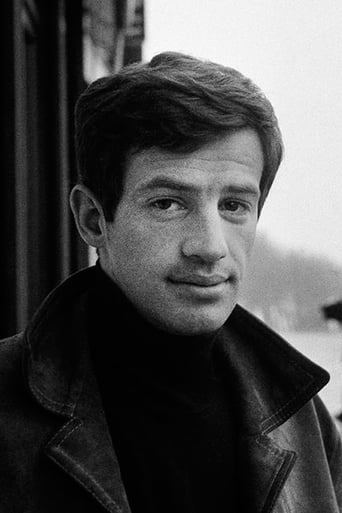
Breathless is about a young crook who learned how to be a man from the movies. Michel steals a car, shoots his way into trouble and hides in Paris with Patricia, an American student. He lives as if he were in a gangster movie, while the world around him follows no script. Watch how he copies Humphrey Bogart: the cigarette, the hat, the thumb drawn across the lip. The film asks what it costs to treat life as a performance.
Around that idea sit other tensions. Michel drifts, carefree, while Patricia can't decide what she wants, so the film wonders whether freedom can survive any real attachment. Their long bedroom conversation circles questions, jokes and games, and shows intimacy failing. Violence and betrayal happen with little reflection, as if action had lost its weight. At the end, Patricia answers his last line by imitating his gesture, and you are left asking what either of them understood. Michel spends the film acting out a story. In the end, the story is the only thing he leaves behind.
Why it mattered
In 1960, Breathless made a rough, low-budget street shoot feel like a signal that cinema could be remade by young outsiders. Cinematographer Raoul Coutard worked quickly and cheaply with a handheld camera, fast film stock and often natural light. Filming among real crowds on the Champs-Élysées turned Paris into a living documentary backdrop and made location shooting a signature of the New Wave.
Before anyone tells you what to think: what did you make of it?
Log in to rate it and leave commentsIt takes one click with Google or an email link. You come straight back here.
Rate it, keep your notes, and find the next film.
Free, no ads. Your journal, your lists, a Cine Guide that remembers you.
Create your free spaceIt also changed how films could be cut. Godard has said the first cut was too long, so he trimmed inside shots instead of removing whole scenes. The jump cuts were not new in cinema, but he made them a visible, pervasive style in a feature, so scenes lurch forward and the cutting shows. The film was not fully improvised either: Truffaut supplied an outline from a news item, and Godard wrote scenes on the day. Loosely planned, but carefully shaped.
Its jump cuts, street shooting and casual treatment of genre fed into the New Hollywood generation, including Bonnie and Clyde and Scorsese's early work, and into later independent and crime cinema. Jean Seberg's cropped hair and striped top became shorthand for Parisian cool, and Jean-Paul Belmondo's insolent, self-mythologising rebel is echoed in later screen outlaws. Jim McBride's 1983 remake with Richard Gere moved the story to Los Angeles.
At the time it was a commercial success in France and drew attention abroad. Some critics found it chaotic or amoral, while many young viewers felt it finally matched their own energy. Godard won best director at the Berlin festival in 1960. Today it is a standard reference for modern editing and a staple of film courses. Michel is more often questioned now, and the film reads as both homage and critique.
What happens
Patricia tells the police where Michel is hiding, and she warns him. He refuses to run and is shot in the street. He dies saying something she barely understands. She copies his thumb-across-the-lip gesture and asks what it meant.
The last image
Patricia rubs her thumb across her lip, copying Michel's gesture, as she asks what he said.
Three readings
What it says
Michel lived as if in a movie, and his death is quick and unglamorous. Patricia's imitation shows how a performance can outlast the person. The film ends on a failure to understand, not a resolution.
Or follow an idea from this film


Explore the era or movement
The 400 Blows (1959)
Truffaut's debut is the other defining New Wave film, more emotional and humane than Breathless, and it makes a good companion for seeing the movement's range.
Continue the director
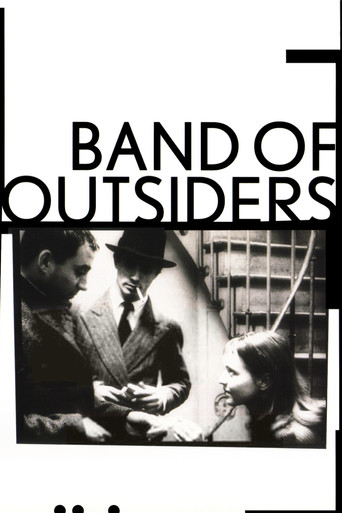
Band of Outsiders (1964)
Godard returns to crime-film play with a trio of young misfits, extending the loose, referential style that Breathless introduced.
Compare another approach
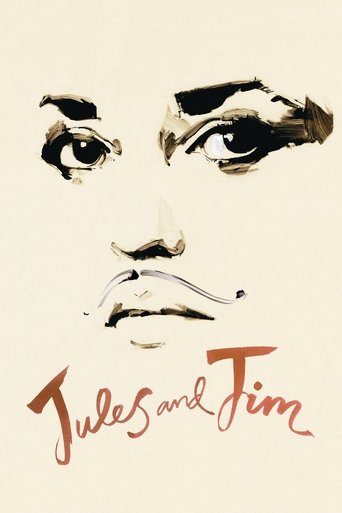
Jules and Jim (1962)
Another New Wave story of love and freedom, but more lyrical and tragic. Comparing it with Breathless shows two different uses of mobile camerawork and shifting tone.
See what influenced it
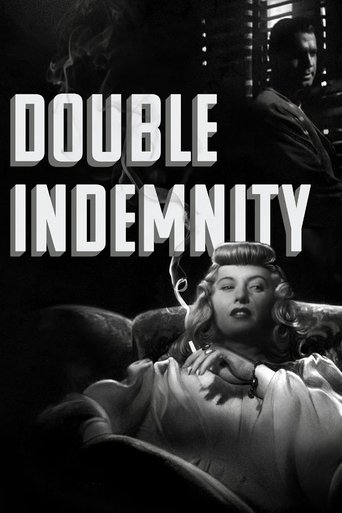
Double Indemnity (1944)
A classic Hollywood crime film of fatal attraction and doomed schemes. Seeing the American model helps clarify what Godard is quoting and what he rejects.
Jump forward
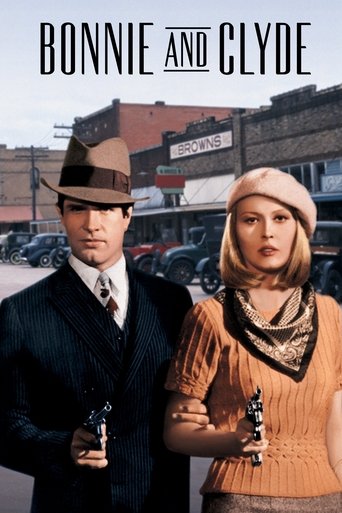
Bonnie and Clyde (1967)
A clear American descendant, mixing outlaw romance, sudden violence and bold editing in the style that the New Wave made possible.