Loading…







Meaning, unpacked
Central idea
The film explores the pull between longing for somewhere better and the value of the people and place one already has. The film can be read as a story about courage, intelligence and love as qualities found through action rather than granted by authority.
What it means
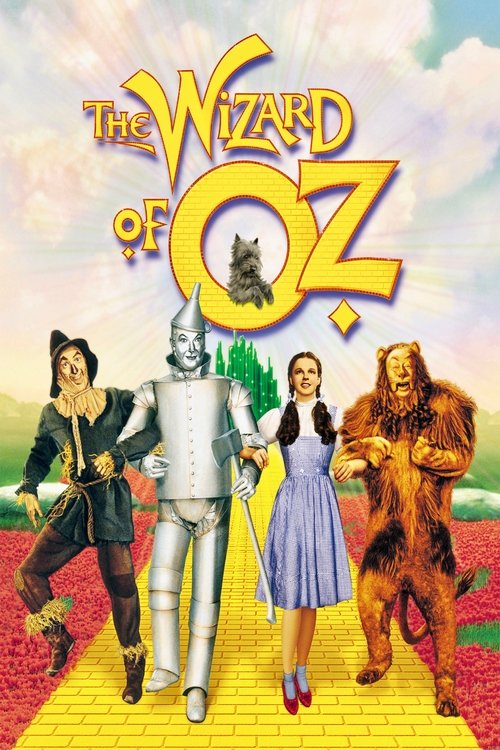
A girl sings about a place beyond the rainbow, and then spends the whole film trying to get back from it. That pull between longing and belonging is the heart of The Wizard of Oz. Its fantasy is a way of showing what Dorothy learns to value about home, and the film keeps suggesting that home means the people in it more than the place.
Look at what her companions want. The Scarecrow wants brains, the Tin Man a heart, the Lion courage, yet they keep showing they have these already. The Wizard's gifts are really just recognition, and the Wizard himself, all fire, smoke and booming voice, is a man behind a curtain. The film is gently sceptical of power built on show. It even leaves open whether Oz was real, and through it all, loyalty saves the group more often than magic does.
Why it mattered
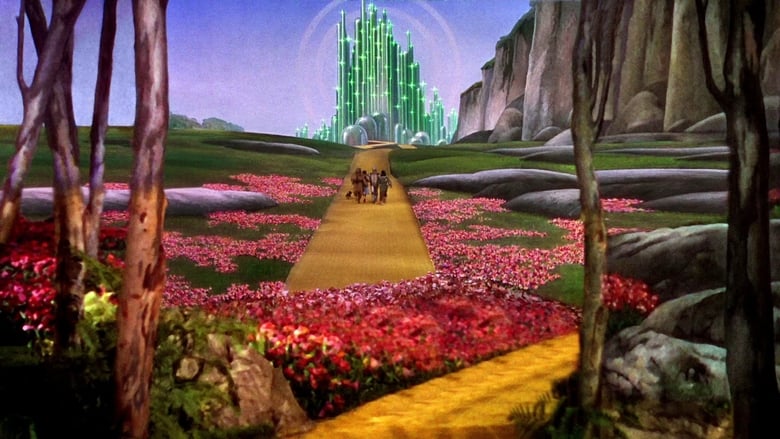
In 1939, colour was still a novelty, and this film made it part of the storytelling. Kansas is shot in colour but toned sepia, so when the door opens onto Oz the shift to saturated Technicolor lands as an event. The yellow road, green city and red slippers were planned as a bold palette, so each place has its own clear identity.
It also showed that songs could do real work. Arlen and Harburg's numbers move the story and define character, with Stothart's score weaving their themes through the action. The film takes a child's feelings seriously, and it is willing to be frightening, as in the Witch's castle, so the happy ending carries weight. It was made by a studio at full strength, with painted sets, miniatures and practical effects.
Before anyone tells you what to think: what did you make of it?
Log in to rate it and leave commentsIt takes one click with Google or an email link. You come straight back here.
Rate it, keep your notes, and find the next film.
Free, no ads. Your journal, your lists, a Cine Guide that remembers you.
Create your free spaceIt shaped how Hollywood approached family fantasy: a young hero, odd companions, a quest and a memorable villain. Its phrases are everyday speech now, from "There's no place like home" to "Pay no attention to the man behind the curtain." "Over the Rainbow" became Garland's signature and one of the most widely covered songs of the century. The film holds a special place for many LGBTQ+ communities, and "friend of Dorothy" became a coded phrase among gay men. Later films such as The Wiz reimagined it.
It was not a huge hit at first. Reviews praised its imagination and Garland, but its cost meant the first run barely made a profit. It lost Best Picture to Gone with the Wind and won two Oscars, for score and song. Its reputation grew through reissues and, from 1956, regular television broadcasts, which made it a shared childhood ritual. Today it is seen as a foundational American fantasy, admired for its craft and its emotional directness.
What happens
Dorothy clicks her heels and wakes in her Kansas bed, surrounded by family and farmhands who look like her friends from Oz. She insists it was real, then says there's no place like home.
The last image
Dorothy, back in sepia Kansas, hugs Toto and her family close, her journey over.
Two readings
What it says
Dorothy's whole adventure sprang from wanting to escape, and it ends with her choosing to stay. The film says home means the people who love you, and that you carried what you needed with you all along.
Or follow an idea from this film

Continue the director
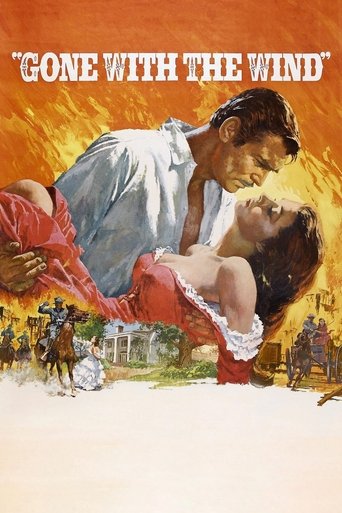
Gone with the Wind (1939)
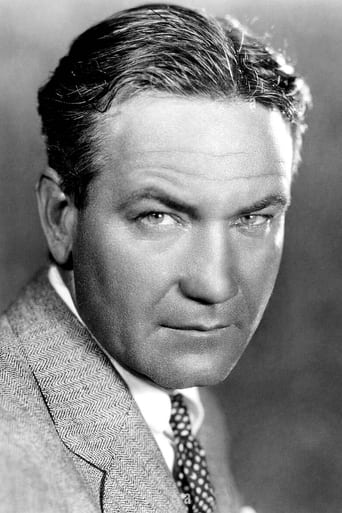
Victor Fleming's other 1939 film is a very different kind of spectacle, showing his range and the scale of studio filmmaking in a single year.
Explore the era or movement
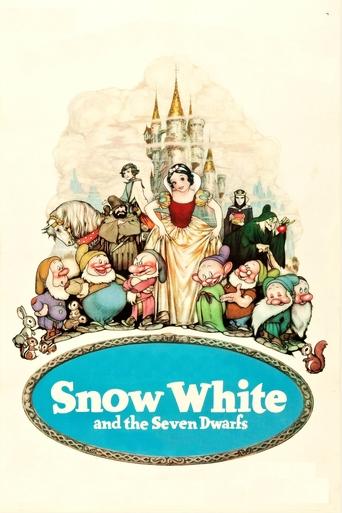
Snow White and the Seven Dwarfs (1937)
The animated fairy tale that preceded this film and helped inspire it, with a similarly strong villain and song-driven storytelling.
Follow the idea
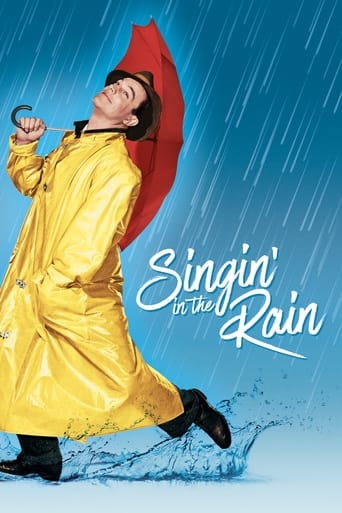
Singin' in the Rain (1952)
MGM's musical craft at its peak, showing how songs, dance and colour developed in the studio's later years.
Compare another approach
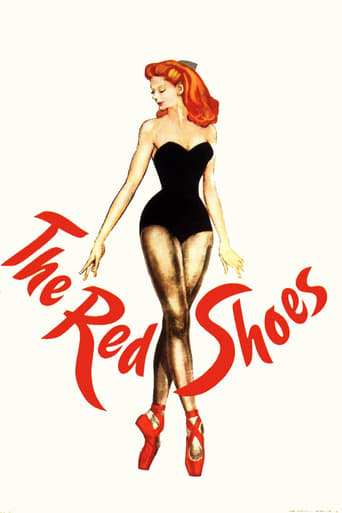
The Red Shoes (1948)
A British Technicolor fantasy that uses colour more nightmarishly and adult, offering a revealing contrast with Oz's family-friendly storybook palette.
Jump forward
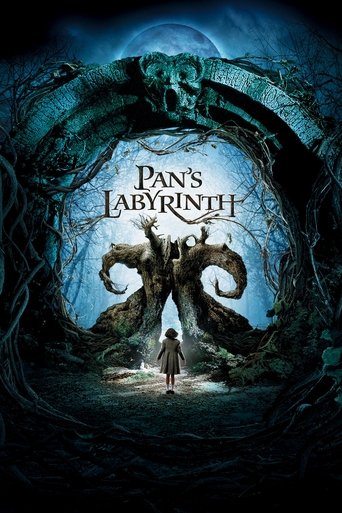
Pan's Labyrinth (2006)
A modern fairy tale for adults that revisits the idea of a young girl crossing into a strange world, with far darker stakes.