

Adventure · Fantasy · Family
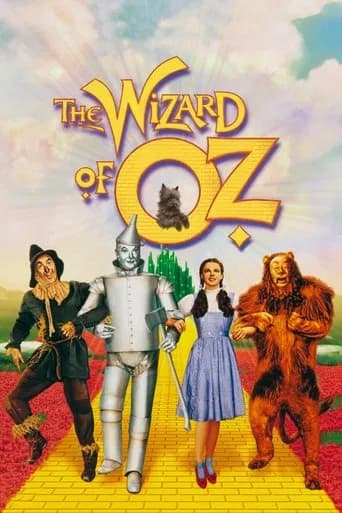
The Wizard of Oz
Avg rating 8.7 / My rating TBC
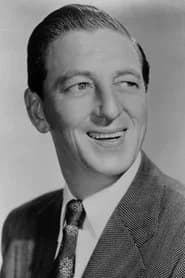
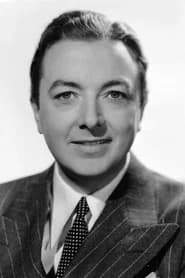
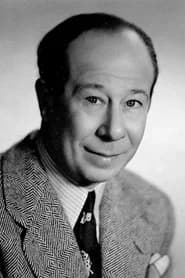
1939 · Directed by Victor Fleming · With Judy Garland, Ray Bolger, Jack Haley
- Classical Hollywood
- Musical
- Fantasy
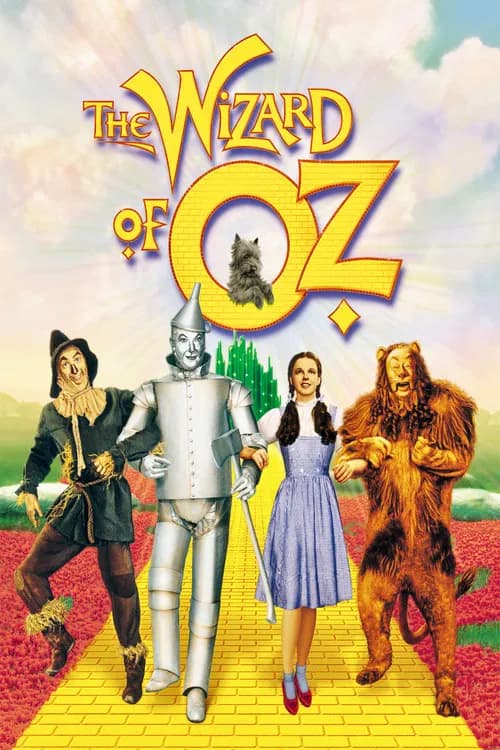
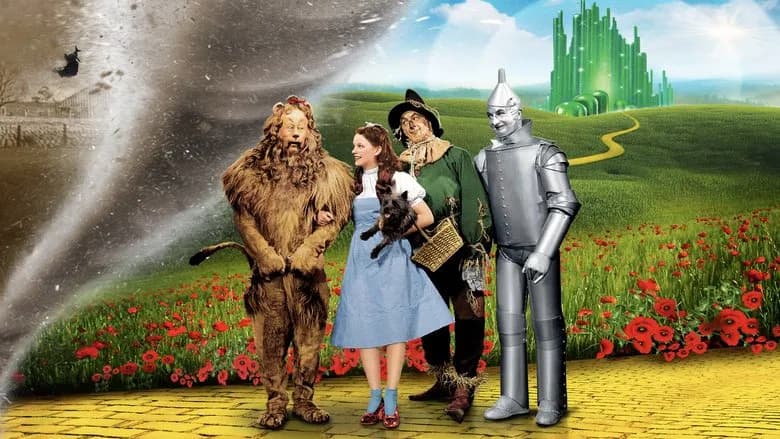
A Kansas farm girl is swept far from home and finds herself in a strange, brightly coloured country where she must find her way back. Part musical, part fairy-tale adventure, it is a big studio production built around song, spectacle and a young star.
Film info
- Runtime
- 1h 42m · 102 min
- IMDb
- 8.1 / 10 (464,833 votes)
- Rotten Tomatoes
- 98% (critics)
- Metacritic
- 92 / 100
- TMDB
- 7.6 / 10 (audience, 6,307 votes)
- Trailer
- ▶ Watch the trailer
Before watching
Spoiler-free · about 2 minutes
Short on time? Spoiler-free
A 4-minute summary
Why watch this?
A landmark of Technicolor and studio fantasy
One of the most celebrated uses of three-strip Technicolor in Hollywood's Golden Age, and the film that defined what a big-budget family fantasy could look like. MGM built its whole world on soundstages.
Judy Garland and 'Over the Rainbow'
Garland's performance gives the spectacle an emotional centre, and Harold Arlen's songs, especially 'Over the Rainbow', became some of the best-known music in American film.
The model for the studio musical-fantasy
Its blend of song, design and storybook adventure shaped later fantasy and family cinema. It is also a clear showcase of what MGM's craftspeople could do in 1939.
Why it matters in cinema history
A defining film of Hollywood's studio era and of the colour musical, it showed how far soundstage artifice, music and special effects could carry a fantasy for a mass audience.
Watch with intention
Your lens
Watch it as a world built entirely by a studio, where songs, sets and colour do much of the storytelling.
Three things to notice
- The artificial look: sets, costumes, make-up and painted backdrops are designed as one controlled, storybook world, with no attempt at realism.
- How the songs work: musical numbers introduce character and desire, and move the story forward rather than pausing it.
- The balance of performance styles: Garland plays sincerely and simply, while the supporting players use broader, stage-trained comic stylisation.
One question to carry with you
What makes a place feel like home, and why might someone long to leave it?
- Technology
- Three-strip Technicolor was expensive and used mainly for prestige pictures. It required extremely bright lighting and heavy camera equipment, so colour was a design decision as much as a novelty.
- Industry
- MGM was the most lavish of the major studios, with huge sets, in-house composers, designers and effects departments. The film was a costly bet in an era when fantasy was not a sure thing.
- Audience
- Disney's Snow White and the Seven Dwarfs (1937) had proved that a feature-length fairy tale could be a huge hit, and live-action studios wanted a fantasy of their own.
- Director's moment
- 1939 was a peak year for Hollywood. Victor Fleming, a seasoned studio director known for adventure and action, worked on this film and on Gone with the Wind in the same year.
Where it came from
Filmmaker
L. Frank Baum
His novel The Wonderful Wizard of Oz supplied the story and characters, as part of an American tradition of fairy tales.
Film
Snow White and the Seven Dwarfs (1937)
Disney's feature-length fairy tale proved audiences would pay for a long, colourful fantasy and encouraged rival studios.
Tradition
Vaudeville and the Broadway musical
The cast's comic style and the song-and-dance structure come from stage traditions, including Bolger, Lahr and Haley's backgrounds.
This film
The Wizard of Oz (1939)
New at the timeIt merged live-action fantasy, integrated musical numbers and lavish Technicolor design on a scale no American studio had yet attempted for a children's story.
- Depression-era America
- The story begins in a dust-bowl-era Kansas farm setting. In the 1930s, drought, debt and poverty made farm life precarious. Audiences knew these hardships, and the film's idea of longing for somewhere better spoke to them.
- Shadow of war
- The film opened in August 1939, weeks before Germany invaded Poland. Many Americans wanted to stay out of European conflicts, and the film's emphasis on home, friendship and courage fit that anxious mood.
- Family audience and expense
- MGM treated it as a prestige family picture and spent heavily on it. Its first release did not make a large profit. Its reputation grew later through re-releases and television broadcasts from the 1950s.
- A troubled production
- Victor Fleming took over after several directors and writers had already worked on the film. He then left to direct Gone with the Wind, so the film reflects a studio-run, many-handed effort rather than one author's vision.
- Pace
- Brisk and episodic, at about 100 minutes. It moves from song to set piece to encounter without much slack.
- Style
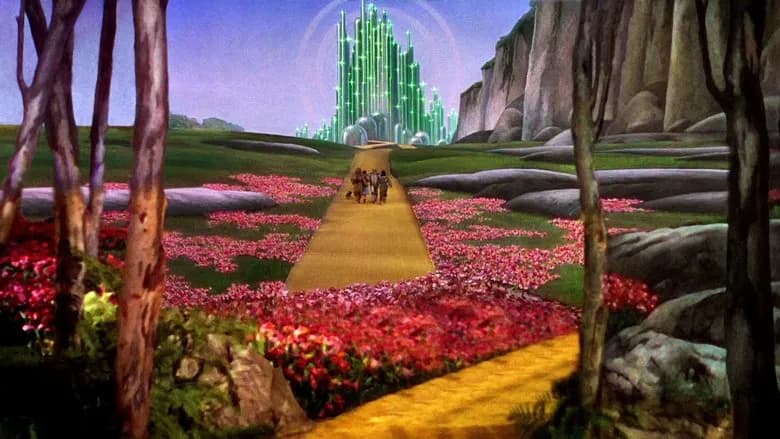
- Stylised studio fantasy and musical. Painted skies and built landscapes are intentional, not primitive.
- Colour
- Three-strip Technicolor with saturated, carefully controlled palettes. The look is one of the main attractions.
- Performance
- Heightened and theatrical, drawing on vaudeville and stage comedy, anchored by Garland's naturalism.
- Tone
- Warm and family-friendly, but with real menace in places. Some imagery still unsettles young viewers.
5+
Suggested age
Family
Official ratings range from the most lenient (U, FSK 0, G) to PG in some US listings; 5 suits the film's few frightening sequences, which can shake younger children.
Official ratings
- USG / PG
- UKU
- Germany0
- FranceTP
Good for
Memorable songs, bright fantasy spectacle, a loyal dog and warm friendships. Children who enjoy fairy tales and musicals will find a lot to love, and the message is gentle and hopeful.
May unsettle
- Scary imagery: A green-faced witch and her menacing henchmen are the film's most frightening element, and may upset sensitive younger children.
- Peril: Several chase and threat sequences, including a fiery one, are intense for the youngest viewers, though they are stylised and not graphic.
- Intensity: A dramatic storm early on and some tense, loud moments with a child in distress can be overwhelming.
- Dated attitudes: Some period details, such as how a few characters are treated, reflect 1939 sensibilities.
Explain first
- This is an old film from 1939, so the effects, acting style and singing-heavy storytelling will feel different from modern family films.
- It is a fantasy, so the scary parts are make-believe. You can offer to pause or sit close during tense moments.
Talk about it after
Which of the characters would you most like to travel with, and what do you think each of them really needs?
Cinespective's own guidance, a draft: check it against the official ratings and your own judgement. Second opinions: Common Sense Media, IMDb (see its Parents Guide). Ratings from TMDB.