Crime · Mystery · Thriller
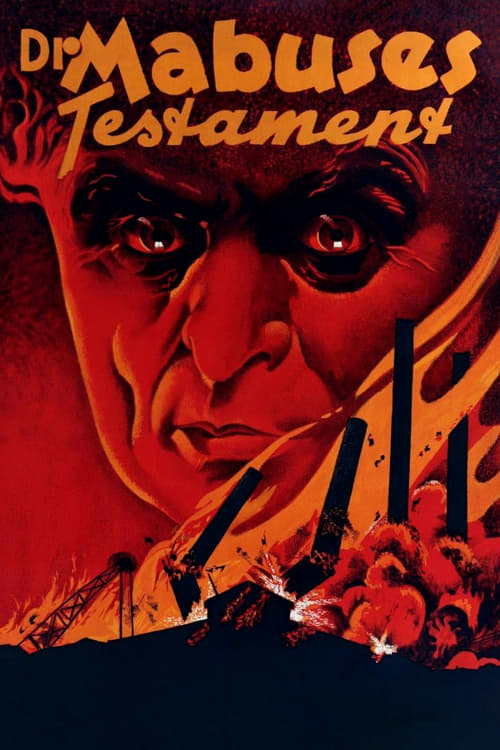
The Testament of Dr. Mabuse
German (Das Testament des Dr. Mabuse)
1933 · Directed by Fritz Lang · 122 min


Crime · Mystery · Thriller
German (Das Testament des Dr. Mabuse)
1933 · Directed by Fritz Lang · 122 min





Meaning, unpacked
Central idea
The film can be read as a study of how terror spreads: the force behind a campaign of chaos matters less than the system, the fear and the willing obedience that carry it forward. Lang makes that a thriller, and a warning.
What it means
The Testament of Dr. Mabuse is really about how terror spreads. The man behind the chaos matters less than the system around him: the fear, and the willing obedience that keeps it moving. Lang makes that a thriller, and he also makes it a warning.
Crime here is an ideology, and an idea can outlive the person who conceived it. That is why the image of Mabuse in his cell, writing endlessly, is so strong. His real weapon is a plan on paper. Baum, haunted by Mabuse, loses his grip on reality and ends up in that very cell. Around this run other worries: how safe the authority of doctors and police is when someone can unsettle their minds, and a world of phones, hidden rooms and watching eyes where the individual is always overseen. Mabuse is a man in a cell, and the film's fear is that this hardly matters. The plan keeps going without him.
Why it mattered
Lang also turns sound into suspense. In the printing-works basement, loud machinery covers other noises, and a disembodied voice behind a curtain builds dread. Silence, clanking machines and off-screen sounds create menace and misdirect you. It is among the earliest thrillers to treat sound as a creative partner to the image, going further than M, which only hinted at what Lang could do.
The film is also a late peak of Weimar cinema, a bridge between Lang's silent spectacle and the sound thrillers that followed. Deep shadow, stark contrast and geometric lighting make ordinary offices and cellars feel threatening, and the car chase intercuts the gang, the pursuers and a ticking clock with sharp cutting. It was made as Germany's political order was collapsing, and it was banned by the Nazi authorities in 1933.
Before anyone tells you what to think: what did you make of it?
Log in to rate it and leave commentsIt takes one click with Google or an email link. You come straight back here.
Rate it, keep your notes, and find the next film.
Free, no ads. Your journal, your lists, a Cine Guide that remembers you.
Create your free spaceThe ban limited its first impact. The film reached audiences mainly abroad, and in Germany it effectively vanished for years. Critics admired the technique and sound, though some found the plot tangled. Lang later said he meant it as an attack on Hitler's methods, putting Nazi slogans in the criminals' mouths. That account is why it is read politically, though how deliberate it was is still debated.
Its influence is wide. It helped define the master criminal whose organisation and ideas outgrow any one person, and Mabuse became a German byword for the hypnotic, manipulative mastermind. Lang himself returned to him in 1960. Since the war its reputation has grown steadily, and it now ranks among Lang's strongest films. It is still taught in film courses as an early example of creative sound design.
What happens
Lohmann stops the chemical plant plot and learns the voice behind the curtain was Professor Baum, who has been taking dictation from Mabuse's ghost. Baum collapses into madness and is locked in Mabuse's old cell.
The last image
After Baum is confined, Lohmann remarks that the idea Mabuse spread cannot be locked away, and the film closes on that note of unease.
What it says
The film ends this way because the plot was never the point. Mabuse is dead, yet his plan still runs through other people. Catching Baum removes a man, not the idea, and Lohmann knows it. That lingering fear is the warning.
Or follow an idea from this film


Continue the director
M (1931)
Lang's first sound film, with the same detective, Lohmann, and an even more daring use of sound and moral ambiguity. It makes a natural pair with this one.
Explore the era or movement
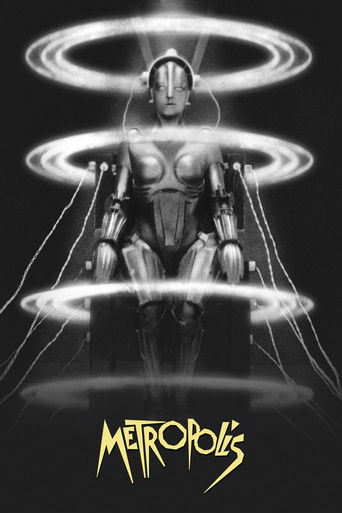
Metropolis (1927)
Lang's silent science-fiction epic shows his earlier command of design and spectacle, and the control-and-revolt themes he returned to in the Mabuse films.
See what influenced it
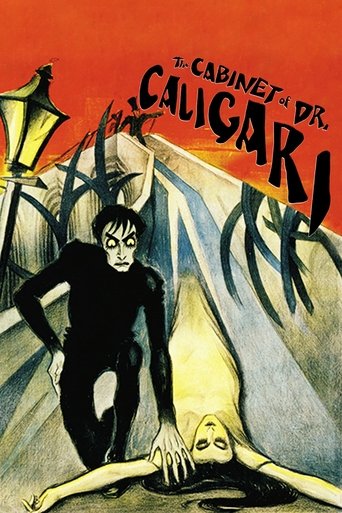
The Cabinet of Dr. Caligari (1920)
Another Weimar film about a charismatic, sinister doctor and the fragile line between sanity and madness.
See its influence
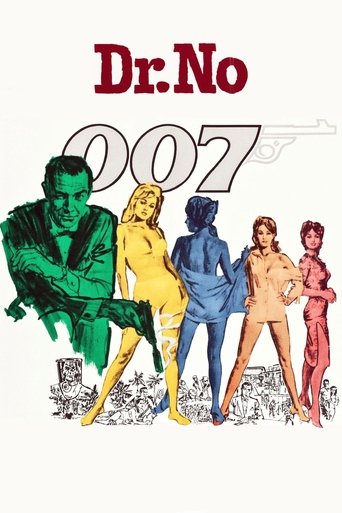
Dr. No (1962)
The first Bond film shows how the master-criminal figure was reshaped for the modern spy thriller.
Follow the idea
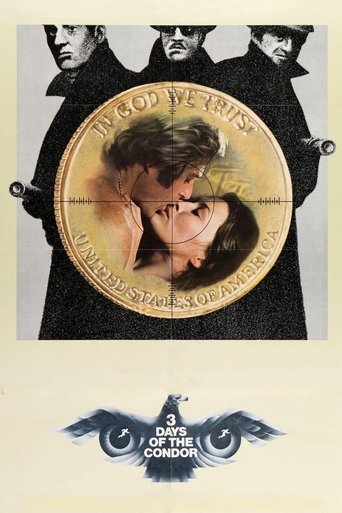
Three Days of the Condor (1975)
A 1970s thriller built on the fear of hidden systems of control, a long descendant of Lang's vision.