Drama · Comedy · Romance
The Rules of the Game
French (La Règle du jeu)
1939 · Directed by Jean Renoir · 110 min


Drama · Comedy · Romance
French (La Règle du jeu)
1939 · Directed by Jean Renoir · 110 min





Meaning, unpacked
Central idea
The film can be read as an anatomy of a class that has made politeness into a moral system: what matters is not whether you behave well, but whether you keep up appearances and avoid scandal.
What it means
An aviator says something honest on the radio, and a country house weekend slides into chaos. Masters and servants chase one another's lovers, and in the end the group closes ranks. Underneath the farce is a simple idea: this is a society that survives by agreeing on appearances. Its unwritten rules govern love, class and honesty, and anyone who breaks them upsets the whole arrangement. André's offence is not that he lies. It is that he doesn't.
The servants' intrigues echo the guests' almost exactly, so the film is not simply an attack on the aristocracy. Octave says it: everyone has their reasons. Nobody is a clear villain. The hunt, where a polite class treats killing as sport, is comic and quietly chilling. And the film's last sting is that it forgives. It sees the game, and the cost of playing it, yet refuses to name a culprit.
Why it mattered
Made on the eve of war, the film shows a ruling class entertaining itself while the world closes in. Renoir moves from comedy of manners to farce to something harsher with no firm break, and that mix unsettled audiences who expected one kind of film. He also stages action in the foreground and background of a single shot, and lets the camera drift through doors and corridors from drawing room to kitchen. You feel a whole social web rather than isolated characters.
It did not matter to audiences at first. When it opened in Paris in July 1939, the reaction was hostile. Renoir cut it heavily, yet it still failed, and the authorities banned it as demoralising once war began. Its importance in cinema history came later, through a remarkable rescue.
Before anyone tells you what to think: what did you make of it?
Log in to rate it and leave commentsIt takes one click with Google or an email link. You come straight back here.
Rate it, keep your notes, and find the next film.
Free, no ads. Your journal, your lists, a Cine Guide that remembers you.
Create your free spaceThe original negative was destroyed in wartime bombing, but enthusiasts gathered surviving material and rebuilt the full-length film with Renoir's approval. Shown in 1959, that version won the film back, and critics came to see it as Renoir's finest achievement and one of the greatest films ever made. The young critics of the French New Wave championed it.
Its long takes, deep focus and interlocking ensemble inspired later directors of social comedy, from Robert Altman's Gosford Park to Luis Buñuel's bourgeois satires and Wes Anderson's elegant ensembles. Its tonal daring, once seen as a weakness, is now the source of its lasting power.
What happens
Schumacher, hunting Marceau in the dark, mistakes André, wearing Octave's borrowed coat, for him and shoots André dead. The Marquis calls it a regrettable accident, and the guests are reassured. The death is absorbed into the party.
The last image
On the steps of the house, the Marquis addresses his guests and a guest admires his fine bearing, as if nothing has happened.
What it says
The ending shows a society that protects appearances above people. André dies for being sincere, yet the rules close over him within minutes. The film ends this way to show the order survives by agreeing to look away, without naming a villain.
Or follow an idea from this film

Continue the director
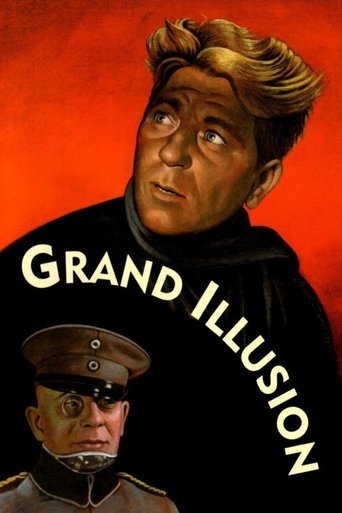
Grand Illusion (1937)
Renoir's earlier masterpiece explores class and humanity among prisoners of war. It is the natural companion and a more straightforward way into his work.
Compare another approach
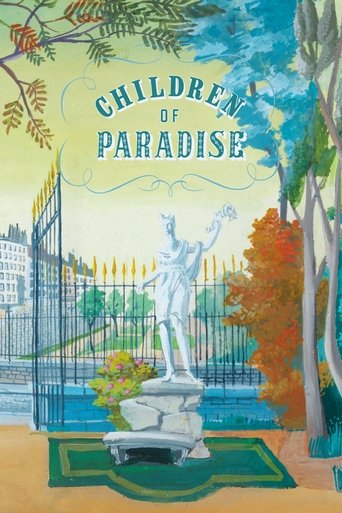
Children of Paradise (1945)
Another great French film made around the war, with a large ensemble and love stories, but in a theatrical, romantic register rather than satirical.
See its influence
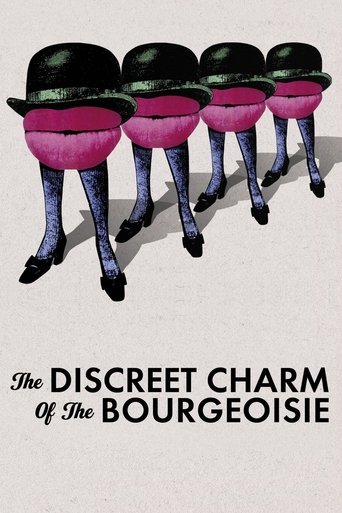
The Discreet Charm of the Bourgeoisie (1972)
Buñuel turns the same subject, a polite class avoiding reality, into surreal comedy. It shows how far the idea could be pushed.
Explore the era or movement
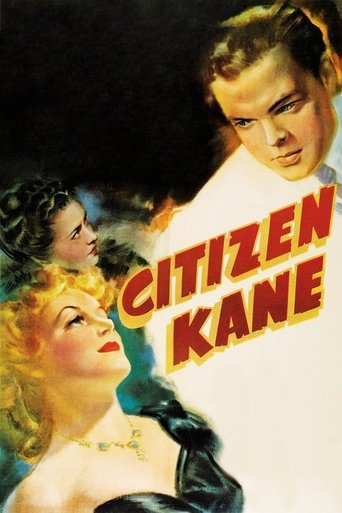
Citizen Kane (1941)
Made two years later, it uses deep focus and long takes in a very different, more flamboyantly authored way. A useful comparison of how depth shapes meaning.
See its influence
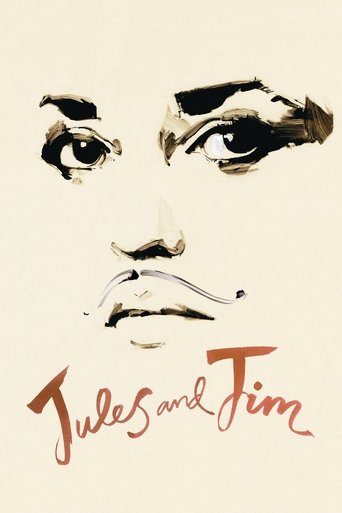
Jules and Jim (1962)
Truffaut's New Wave romance shows the warmth, mobile camera and tonal freedom that Renoir's generation of admirers took from films like this one.