

Western
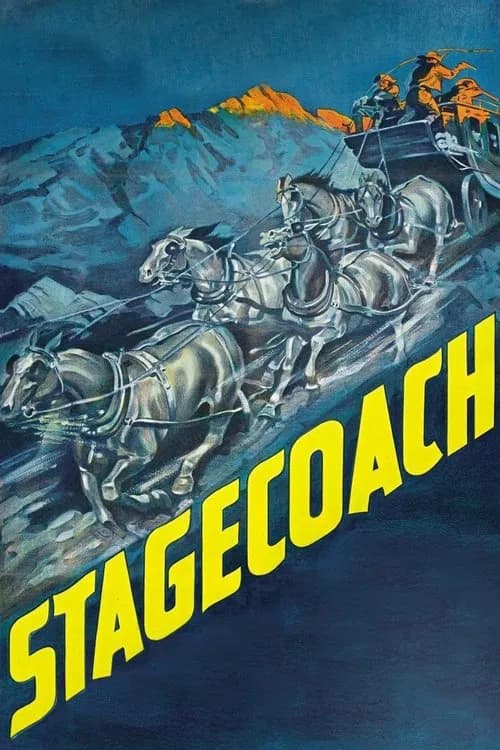
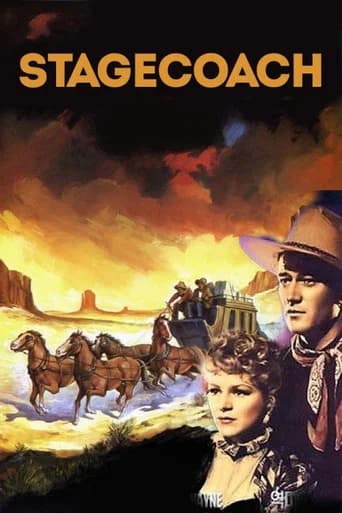
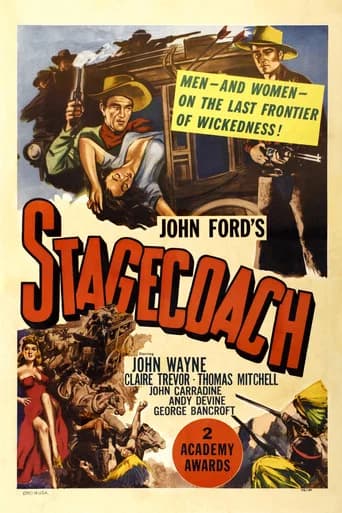
Stagecoach
Avg rating 8.7 / My rating TBC
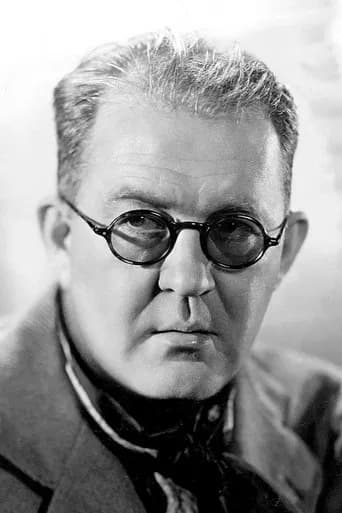
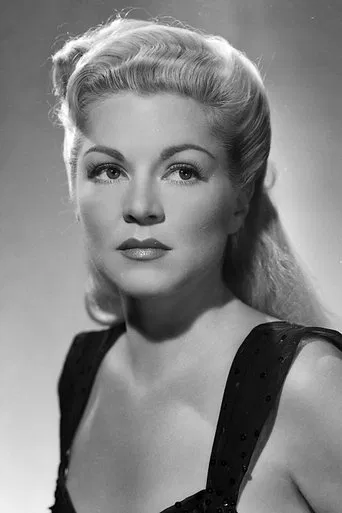
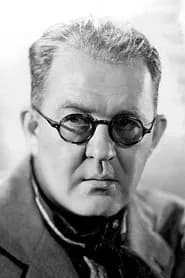
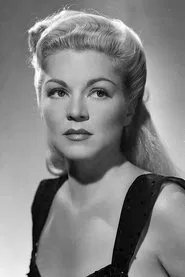
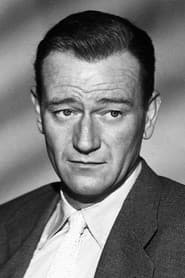
1939 · Directed by John Ford · With Claire Trevor, John Wayne, George Bancroft
- Classical Western
- Classical Hollywood
- Suspense
Nine strangers share a stagecoach across hostile Arizona and New Mexico territory, with word that Geronimo is on the warpath. Each passenger is carrying a reputation, a secret or a prejudice, and the journey sorts them out. A lean, fast Western built around character as much as action.
Film info
- Runtime
- 1h 36m · 96 min
- IMDb
- 7.8 / 10 (57,694 votes)
- Rotten Tomatoes
- 100% (critics)
- Metacritic
- 93 / 100
- TMDB
- 7.6 / 10 (audience, 1,280 votes)
- Trailer
- ▶ Watch the trailer
Before watching
Spoiler-free · about 2 minutes
Short on time? Spoiler-free
A 3-minute summary
Why watch this?
The Western grows up into a serious A-picture
In 1939 most Westerns were cheap programmers. Stagecoach gave the genre a major budget, a serious director and Oscar recognition, and set the template for the classical Western that followed.
John Wayne's breakthrough, in John Ford's first Monument Valley film
After years in B-movies, Wayne became a star here, introduced in one of cinema's most famous entrances. It is also the first time Ford filmed Monument Valley, which became the genre's signature landscape.
A masterclass in economical storytelling
Under 100 minutes, it builds a full social portrait from a single journey, then delivers a chase sequence whose stunt work is still astonishing.
Why it matters in cinema history
A defining film of the classical Western, it shaped how the genre looked, how it used landscape and ensemble, and how its heroes were introduced for decades.
Watch with intention
Your lens
Watch it as a small society on wheels, where who sits beside whom, and who is judged, matters as much as the danger outside.
Three things to notice
- How Ford stages the coach interior: the seating, the eyelines and the small gestures of politeness or snubbing that tell you each passenger's social rank.
- How the vast Monument Valley landscape dwarfs the coach, and how often Ford places the horizon low and the sky large.
- How John Wayne is introduced: the camera movement, the framing and the way the film makes you wait for his face.
One question to carry with you
Who in this coach is truly respectable, and does the film agree with the judgments the passengers make about one another?
- Industry
- In the 1930s the Western was mostly a B-movie product, made quickly for double bills and serials. Big-budget Westerns were rare, so a prestige production from an acclaimed director was a gamble.
- Director's moment
- John Ford had won an Oscar for The Informer (1935) and made several films in 1939. He had not directed a Western since the silent era, and this was his return to the form.
- Dominant styles
- Hollywood studio filmmaking favoured sets and controlled lighting. Shooting a large share of a story in real desert, with long vistas and moving vehicles, felt open and physical by comparison.
- Audience
- Audiences in 1939 were arriving at the end of the Depression and the eve of war. A story about a mixed group judged by social rank, and tested by danger, spoke to that mood.
Where it came from
Tradition
Silent and B-movie Westerns
Early Westerns, from The Great Train Robbery onward, gave the genre its action and chase conventions, which Stagecoach refined.
Film
The Iron Horse (1924)
Ford's own silent epic Western showed his early scale and interest in frontier history, before he returned to the genre in sound.
Filmmaker
Ernest Haycox
His short story Stage to Lordsburg provided the plot of strangers on a perilous coach journey.
This film
Stagecoach (1939)
New at the timeIt treated the Western as a vehicle for character study and landscape on an A-picture scale, rather than as quick action filler.
- Depression-era America
- After a decade of mass unemployment and bank failures, the New Deal years left audiences sceptical of bankers and officials. The film's cross-section of travellers, from respectable to outcast, spoke to a country rethinking class and respectability.
- Western in low standing
- By the late 1930s the Western was mostly cheap B-picture fare for Saturday matinees. Producers saw big-budget Westerns as a commercial risk, so Ford had trouble finding backing for the idea until independent producer Walter Wanger took it on.
- Frontier myth and its blind spots
- The film reflects the period's sympathetic image of the frontier and of Native Americans as menacing adversaries, a view common in Hollywood then. Its depiction of Apache characters reflects the prejudices of its time.
- The filmmaker's situation
- Ford was already a leading Hollywood director with Oscar success behind him, but had not made a Western in years. He shot in Monument Valley, Utah and Arizona, a remote area of Navajo land. Navajo residents worked on the production, which brought paid work to a poor region.
- Pace
- Brisk and compact at 96 minutes. Character scenes at stops alternate with travel and a few set-piece sequences of action.
- Style
- Classical Hollywood storytelling with strong visual composition, broad character types and a mix of humour, melodrama and suspense.
- Colour / ratio
- Black and white, standard 1.37:1 frame. The landscape is shaped by light and cloud, not colour.
- Performance
- Slightly theatrical ensemble acting, with comic turns, a drunk doctor and a stern, reserved heroine. Wayne's performance is relaxed and youthful.
- Dated elements
- Native Americans appear mainly as an anonymous threat, and the film reflects the attitudes of its time. Knowing this helps put the film in context.
9+
Suggested age
Older children
Ratings range from US G, GB U and French all-audiences to German 12; nine suits children who cope with black-and-white and gunfights, though the dated portrayal of Native Americans calls for conversation.
Official ratings
- USG
- UKU
- Germany12
- FranceTP
Good for
Classic Western adventure with striking Monument Valley scenery, famous stunt work, a lively ensemble of colourful characters, and a brisk pace that suits a first black-and-white Western.
May unsettle
- Dated attitudes: Native Americans are shown as faceless, menacing attackers, a stereotype of its era. Some characters also voice prejudice about class and reputation.
- Violence: Gunfights and a long chase with falls and gunshots. It is stylised and mostly bloodless, but there are deaths and some tension.
- Peril: A sustained stretch of danger and suspense for the travellers, which younger or sensitive children may find tense.
- Mature themes: Drinking, revenge and social judgement of certain characters are present, handled discreetly and mostly through implication.
Explain first
- It is a 1939 black-and-white film, made when Westerns often showed Native Americans in one-sided, stereotyped ways that are now widely criticised.
- The story is set in the 1880s American West, where travel was dangerous and law and order were thin.
Talk about it after
The passengers judge each other quickly at the start. Did your opinion of any character change as the journey went on, and why?
Cinespective's own guidance, a draft: check it against the official ratings and your own judgement. Second opinions: Common Sense Media, IMDb (see its Parents Guide). Ratings from TMDB.