Comedy · War · Romance
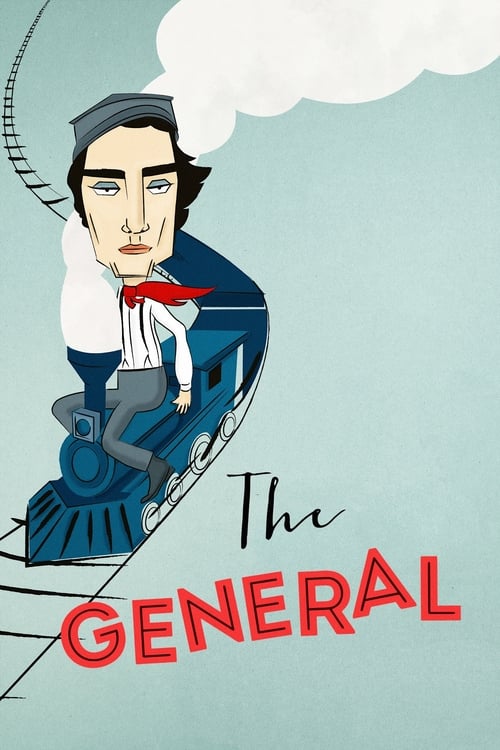
The General
American
1926 · Directed by Buster Keaton · 79 min


Comedy · War · Romance
American
1926 · Directed by Buster Keaton · 79 min
Meaning, unpacked
Central idea
The film can be read as a story about competence: a man judged unfit by everyone around him proves himself through patience, ingenuity and an intuitive grasp of how things work, and the world of machines becomes the place where he is understood.
What it means
The General is a story about competence. Johnnie is turned away at enlistment and dismissed by his sweetheart's family, so he earns recognition through persistence, ingenuity and an intimate feel for his engine. Heroism here is not bravado. It is stubborn practicality, and the film is about being valued for what you can actually do.
The locomotive is the emotional centre. Johnnie loves it as much as he loves Annabelle, and Keaton treats it with the affection usually given to a person. Annabelle is more than a prize: she shows her own courage, and her own mistakes. The war swirls around Johnnie while he barely notices what is at stake. It becomes a comic landscape rather than a moral drama, and some viewers find that troubling, especially given the sympathetic Confederate hero. Most people today take it as an adventure, not a political statement.
Why it mattered
A real locomotive falls with a burning bridge, filmed in one take, and it remains the film's most famous image. A myth says it was miniatures or trick photography. It was not: the bridge was built for the scene in Oregon, and the engine was real. Keaton favours wide shots held long enough for the action to play out, so you see the stunt and the space around it, and you trust that nothing is faked.
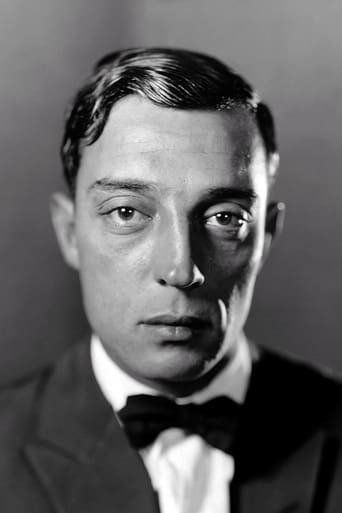
That trust gave comedy a weight studio trickery could not. Keaton treats pursuit as a problem of mechanics: a handcar, a pump rail, then the engine, improvisation under pressure. The plot is a chase north followed by its mirror image heading south, so a simple story has a strong shape and early gags pay off later. He did many of his own stunts, and his calm face against all that danger helped fix the Great Stone Face in popular memory.
Before anyone tells you what to think: what did you make of it?
Log in to rate it and leave commentsIt takes one click with Google or an email link. You come straight back here.
Rate it, keep your notes, and find the next film.
Free, no ads. Your journal, your lists, a Cine Guide that remembers you.
Create your free spaceAt release, critics were divided. Some praised the spectacle, while others found the mix of war and comedy awkward. It cost a lot and earned modestly, and Keaton soon lost his independence in a more restricted deal at MGM. Neither the Academy Awards nor Cannes recognised it at the time.
Its reputation grew as silent films were rediscovered from the 1950s onward, and it is now widely seen as Keaton's finest feature, often cited among the greatest comedies and silent films. Its blend of comedy, stunt work and continuous pursuit shaped later action-comedy, and Jackie Chan has often cited Keaton as a model. A film that lost its maker his freedom is now the reason we remember him.
What happens
Johnnie warns the Confederate army, burns the bridge under the pursuing Union train, and helps win the battle. He's made a lieutenant, finally earning his uniform. Annabelle kisses him, and he's still busy with his duties.
The last image
Johnnie, now in uniform, kisses Annabelle while still returning salutes to passing soldiers, so his duty and his love share one gesture.
What it says
The ending closes both of Johnnie's long-delayed goals, recognition and love, in one gesture. It pays off the film's idea of competence: he is honoured for what he has done, not what anyone assumed of him, and the comedy stays gentle.
Or follow an idea from this film
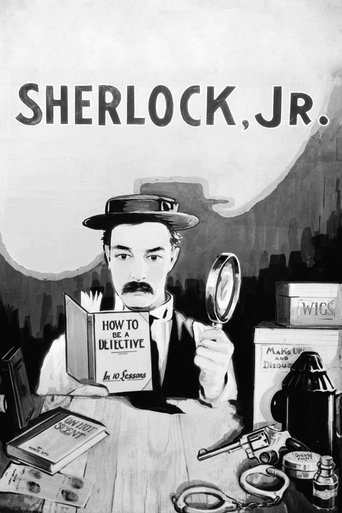

Continue the director
Sherlock Jr. (1924)
Keaton's shorter, more surreal film shows the same precision applied to a projectionist who steps into the film he is watching.
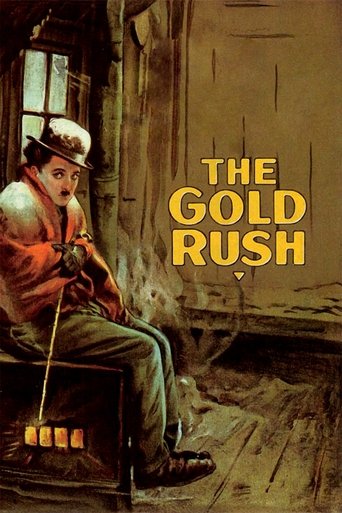
Compare another approach
The Gold Rush (1925)
Chaplin's comedy of survival makes a useful contrast: more sentimental and character-led, where Keaton is more structural and physical.
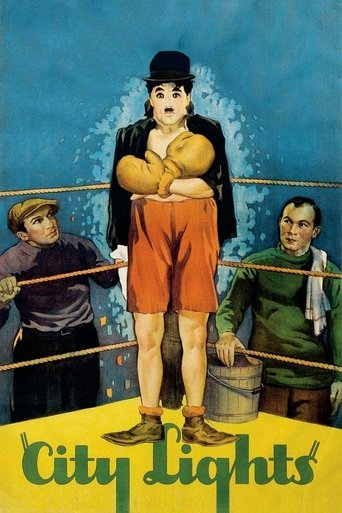
Explore the era or movement
City Lights (1931)
A late silent comedy by Chaplin that shows how the form moved toward emotion at the dawn of sound.
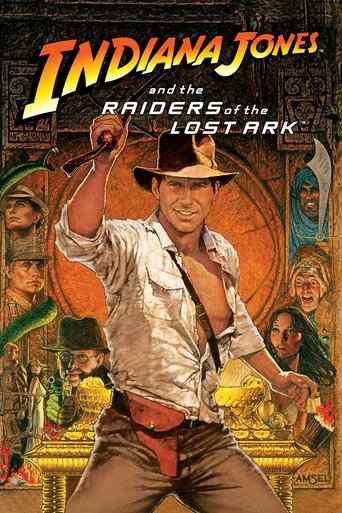
See its influence
Raiders of the Lost Ark (1981)
Spielberg's chase-driven adventure shows how silent comedy's logic of escalating, clearly staged action became the grammar of the modern blockbuster.