Drama
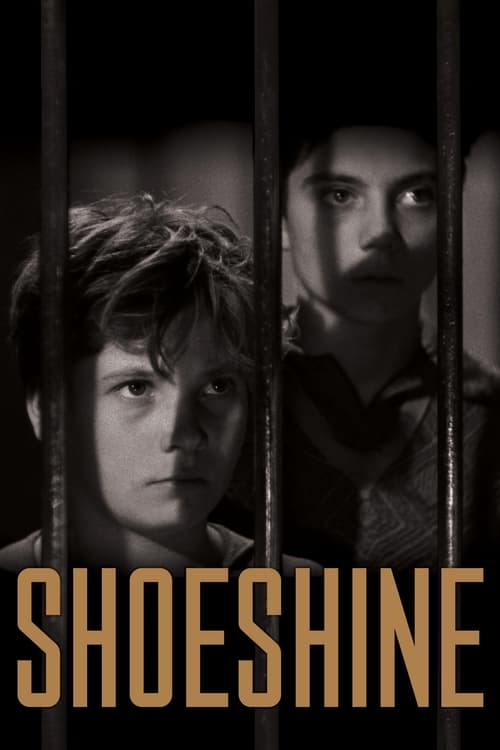
Shoeshine
Italian (Sciuscià)
1946 · Directed by Vittorio De Sica · 91 min


Drama
Italian (Sciuscià)
1946 · Directed by Vittorio De Sica · 91 min

Meaning, unpacked
Central idea
The film can be read as an examination of how institutions and a ruined society fail the young. It shows trust, the most valuable thing the boys own, being worn down by fear, deception and a system that treats children as small criminals.
What it means
Two Roman shoeshine boys share one dream, a horse. A black-market scheme sends them to a juvenile prison, their friendship breaks apart, and it ends in tragedy by a bridge. But the real subject is how institutions and a ruined society fail the young. The most valuable thing the boys own is not the horse. It is their trust.
The film gives you no single villain. Blame spreads across the police, the adults, the other inmates and the boys themselves, which is why it hurts. The prison claims to offer repair, yet it teaches suspicion and cruelty. In the separate interrogations, the police feed each boy false claims about the other, and loyalty becomes a weapon. At the bridge, anger, shame and distrust collide in a moment that is sudden, not melodramatic. The consequence feels accidental, and that makes it more tragic.
Why it mattered
Released a year after Rome, Open City, Shoeshine is one of the first great neorealist features. It was not the first, but it helped define and spread the movement's look and ethics: real locations, unknown faces, and ordinary people as the subject of serious drama. De Sica found his young leads among Rome's street children, and the streets, markets and ruined buildings of the city are the film's environment, not a backdrop.
It was made with modest resources, and its plain look came partly from necessity. De Sica turned that necessity into style. Abroad, critics saw proof that Italian cinema had found a new, honest voice. At home the response was muted, as postwar audiences often preferred escape to a close look at their own hardships. It received an Academy Honorary Award, because the competitive foreign-language category did not yet exist.
Before anyone tells you what to think: what did you make of it?
Log in to rate it and leave commentsIt takes one click with Google or an email link. You come straight back here.
Rate it, keep your notes, and find the next film.
Free, no ads. Your journal, your lists, a Cine Guide that remembers you.
Create your free spaceIt helped set the template for films about children caught in social systems, from De Sica's own Bicycle Thieves to The 400 Blows and later street-child dramas such as Capernaum. The Italian title, Sciuscià, was the name for the street boys who polished Allied soldiers' boots after the liberation, and the film helped make the word shorthand for the children of postwar poverty.
Today it is often overshadowed by Bicycle Thieves, but it is valued as the first of De Sica's great neorealist films. It is still screened in film courses and in discussions of juvenile justice, as a case study in how systems fail the young people they claim to reform.
What happens
At the bridge, Pasquale finds Giuseppe hiding with the horse. Years of lies and prison distrust boil over, and he strikes his friend with a rein. Giuseppe falls and dies. The ending shows what broke them was never the horse.
The last image
Pasquale weeps and calls for his dead friend while the riderless horse wanders off alone.
What it says
Nobody plans the death, and that is the point. The film gives you no single villain to blame. The police, the prison and the adults wore down the boys' trust until one blow destroyed it. The freedom of the opening ride is gone for good.
Or follow an idea from this film

Continue the director
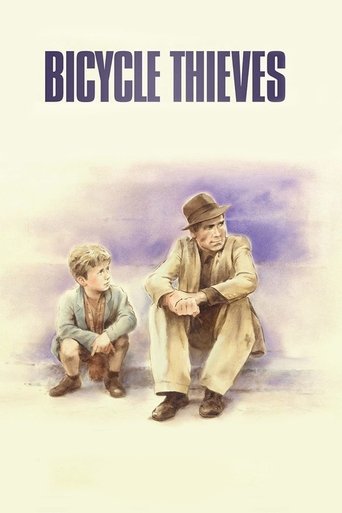
Bicycle Thieves (1948)
De Sica's masterpiece takes the same methods further, with a father and son in postwar Rome. It is the natural next step.
Explore the era or movement
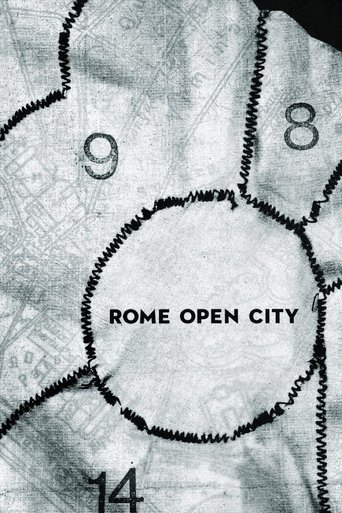
Rome, Open City (1945)
The film that announced neorealism to the world shows the same city in wartime and helps place Shoeshine within the movement.

See its influence
The 400 Blows (1959)
Truffaut's debut follows a boy through school and a juvenile institution, with a similar compassion and an equally sharp view of the adult world.
See what influenced it
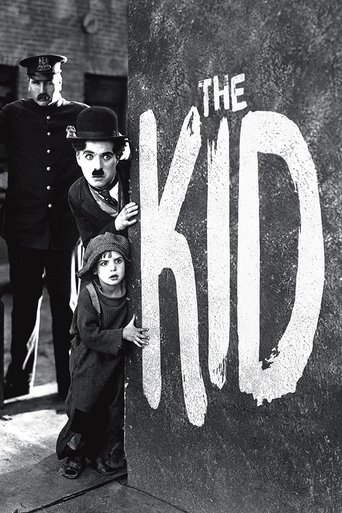
The Kid (1921)
Chaplin's silent film of a child on the streets shows an earlier, more comic way of treating poverty and childhood.
Jump forward
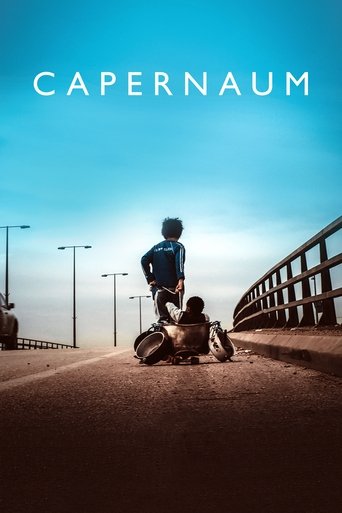
Capernaum (2018)
A modern drama about a child in a harsh city, showing how far neorealist methods have travelled.