Mystery · Romance · Thriller
Rebecca
American
1940 · Directed by Alfred Hitchcock · 130 min


Mystery · Romance · Thriller
American
1940 · Directed by Alfred Hitchcock · 130 min

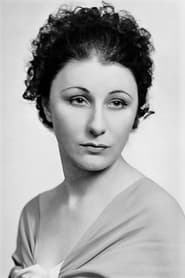
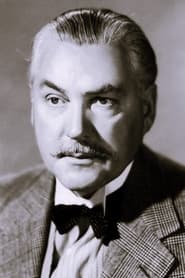


Meaning, unpacked
Central idea
The film can be read as a study of how the past, and an idealised image of someone absent, can dominate a living relationship. Its heroine must learn that the story she has been told about her marriage is not the whole story.
What it means
A young woman with no name marries a rich widower, moves into his great house, and finds his first wife still rules it. In the end Manderley burns. The film is really about how the past, and an idealised picture of someone absent, can dominate a living relationship. Rebecca never appears, yet she fills every room: her taste, her handwriting and her reputation are everywhere.
The heroine has no first name on screen, and no confidence either, because she measures herself against someone else. Her growth is the slow process of stopping that. Mrs. Danvers shows what happens when devotion curdles into something destructive. In the bedroom tour, nothing violent happens. She shows Rebecca's belongings with reverence, and the menace lives in tone, staging and the heroine's reactions. Then Max's confession reverses everything we believed about Rebecca.
Why it mattered
In 1940 it was a major critical and commercial success, and one of Selznick's biggest hits. Hitchcock's American career took off. It won Best Picture and Best Cinematography, from eleven nominations. It also helped start the 1940s cycle of Gothic films about women in unsettling houses.
It is closer to a Gothic romance than a typical thriller. Hitchcock builds fear from rooms, objects, silences and Judith Anderson's near-motionless, hushed Mrs. Danvers, often placed in a doorway or at the edge of the frame. Censorship shaped it too: the novel's murder became an accident, because the Production Code would not let a murderer escape punishment.
Before anyone tells you what to think: what did you make of it?
Log in to rate it and leave commentsIt takes one click with Google or an email link. You come straight back here.
Rate it, keep your notes, and find the next film.
Free, no ads. Your journal, your lists, a Cine Guide that remembers you.
Create your free spaceThe sinister housekeeper has been echoed widely, and Mrs. Danvers is now a byword for a coldly menacing guardian of the past. Hitchcock returned to obsession with the dead in Vertigo and Psycho. If you want to go next, try those two and see how that obsession darkens.
Today some find it more romantic and theatrical than his later work, yet its atmosphere and Mrs. Danvers have only grown in stature. The story keeps being retold, and Hitchcock's version is still the benchmark. Perhaps that is fitting: Rebecca is a story about a presence that cannot be removed, and the film has proved just as hard to leave behind.
What happens
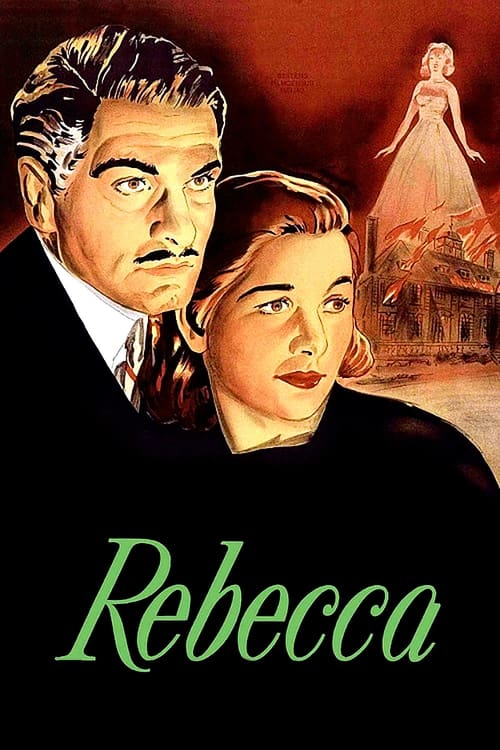
Maxim is cleared, and Favell's blackmail fails when a doctor shows Rebecca was dying. Driving home, Maxim sees a glow in the sky: Mrs. Danvers has set Manderley ablaze and dies in the fire. The house, and Rebecca's hold on it, burns.
The last image
Flames consume Manderley, and the monogrammed R on Rebecca's pillowcase burns away.
What it says
Rebecca's power lived in objects, memory and Mrs. Danvers' devotion, so the fire destroys all three. The heroine is free of a ghost, and the film, held by the Production Code to punish its guilty, lets Manderley and Danvers pay.
Or follow an idea from this film
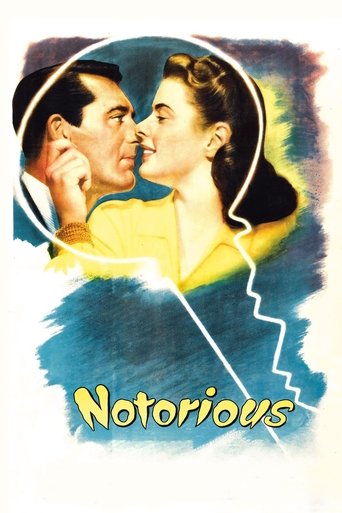

Continue the director
Notorious (1946)
Hitchcock's postwar romantic thriller is more fully his own, with a doubtful love story, an unforgettable long take and a tense domestic setting.
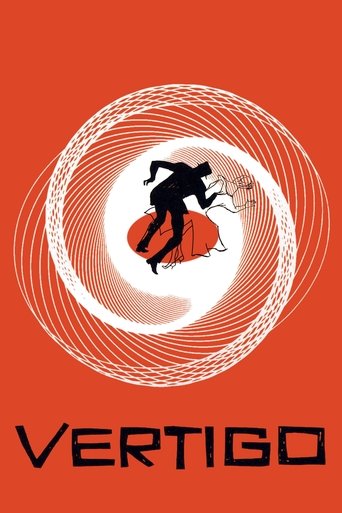
Follow the idea
Vertigo (1958)
Obsession with a lost woman becomes the whole subject, told with a more disturbing psychology than Rebecca allows.
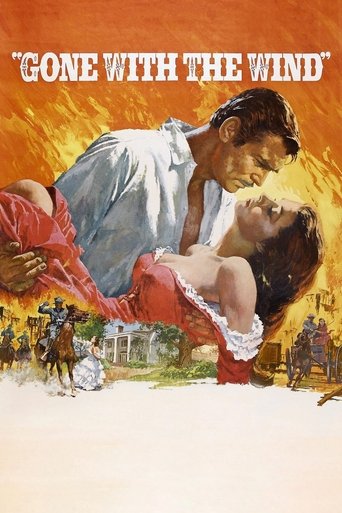
Explore the era or movement
Gone with the Wind (1939)
Selznick's previous prestige picture shows the producer-driven studio system that shaped Rebecca, with a very different, epic scale.
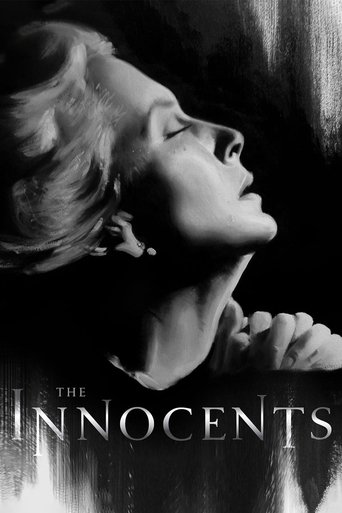
Compare another approach
The Innocents (1961)
Another tale of a young woman alone in a vast house, this time a ghost story, which shows how Gothic atmosphere can be pushed further.
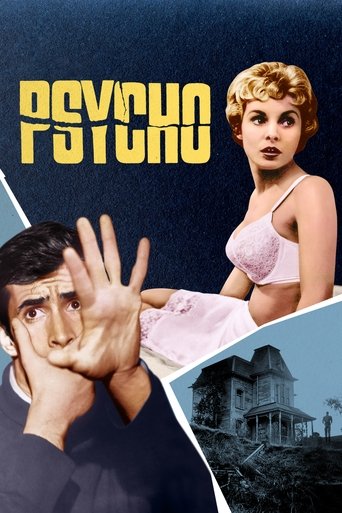
See its influence
Psycho (1960)
A house ruled by a dead woman's memory reappears in a far darker form, showing how far Hitchcock travelled in twenty years.