Drama · Comedy
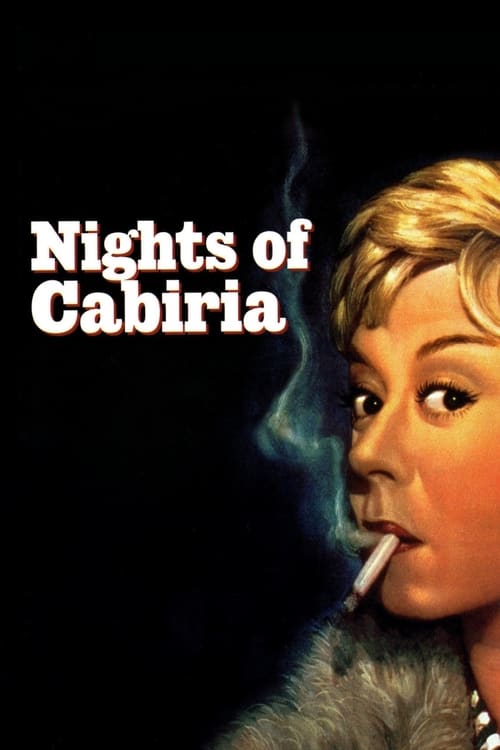
Nights of Cabiria
Italian (Le notti di Cabiria)
1957 · Directed by Federico Fellini · 110 min


Drama · Comedy
Italian (Le notti di Cabiria)
1957 · Directed by Federico Fellini · 110 min







Meaning, unpacked
Central idea
The film explores whether faith in love and goodness can survive repeated disappointment. It can be read as a portrait of hope as a stubborn, almost irrational act, and as a question about what we owe those who keep believing.
What it means
Nights of Cabiria begins with a push. Cabiria, a small, tough sex worker on the edge of Rome, is shoved into the Tiber by her boyfriend, who takes her purse. That sets the pattern for the whole film: she trusts, she is punished, she gets up again. Along the way a famous actor, a crowded shrine and a stage hypnotist each offer her a different kind of illusion.
The film asks whether faith in love and goodness can survive repeated disappointment. Fellini treats hope as a stubborn, almost irrational act. It is her weakness, because it keeps exposing her, and it is her dignity. At the theatre, hypnosis makes her speak of a gentle, imagined love while the audience laughs. It is humiliating and touching at once. Then a quiet man, Oscar, courts her, and she sells everything to marry him. On a lonely cliff he takes her money and leaves her. Young people pass, singing. She wipes her tears and begins to smile. That smile doesn't say the world has been kind. It says she is still here, and still open to it.
Why it mattered
In the late 1950s, Italian directors were moving from postwar social realism toward more personal, poetic filmmaking, and Fellini was leading that shift. This film sits right on the hinge. It keeps a neorealist grit, with Rome's outskirts, ruined fields, caves and cheap clubs, while the framing and staging often turn theatrical, anticipating his later style.
It also shows a sex worker's life without moralising or romanticising. Cabiria is proud, funny, hard and sometimes foolish, and always more than her circumstances. The loose, episodic structure mirrors how she lives, from one hope to the next. And the ending rests on a single expression from Giulietta Masina, with the camera staying close to her face and Nino Rota's music doing the rest. Fellini trusted a face to carry the argument, and you have to be willing to read it.
Before anyone tells you what to think: what did you make of it?
Log in to rate it and leave commentsIt takes one click with Google or an email link. You come straight back here.
Rate it, keep your notes, and find the next film.
Free, no ads. Your journal, your lists, a Cine Guide that remembers you.
Create your free spaceThe film premiered at Cannes in 1957, where Masina won Best Actress, and it was widely admired in Italy and abroad. It won the Academy Award for Best Foreign Language Film. Some Catholic critics objected to its treatment of religion and sex work, while others praised its compassion. It confirmed Fellini as a major international director after La Strada.
Its influence ran wide. It became the basis for the Broadway musical Sweet Charity and its film version, and its resilient outsiders and Masina's clown-like heroine shaped later films about hope, performance and survival. Today it is seen as one of Fellini's warmest and most humane films, and the clearest showcase of Masina's art. The closing smile is often discussed as one of cinema's great moments of ambiguous hope, and the film is commonly taught as a bridge between neorealism and Fellini's later fantasy.
What happens
Oscar, the man she planned to marry, takes her money by a cliff and leaves her. Cabiria gets up, walks to the road, and meets passing young people singing. She wipes her tears and smiles.
The last image
Cabiria, tears still on her face, glances toward the camera and begins to smile as the singing young people pass.
Two readings
What it says
The film has asked whether faith can outlast disappointment. Fellini answers with a face, not an explanation: her hope is stubborn and a little foolish, and it is also her dignity. She is still here, and still open.
Or follow an idea from this film

Continue the director
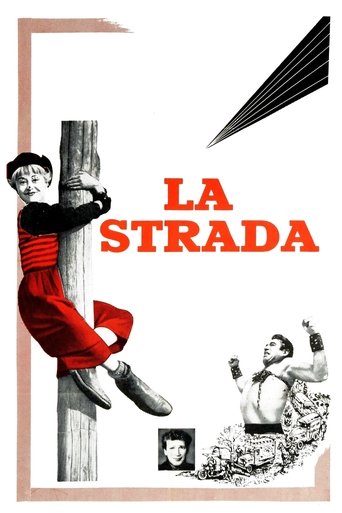
La Strada (1954)
Fellini's earlier film with Masina has the same mix of circus-like comedy and heartbreak. Watching it alongside Cabiria shows how he developed his heroine.
Jump forward
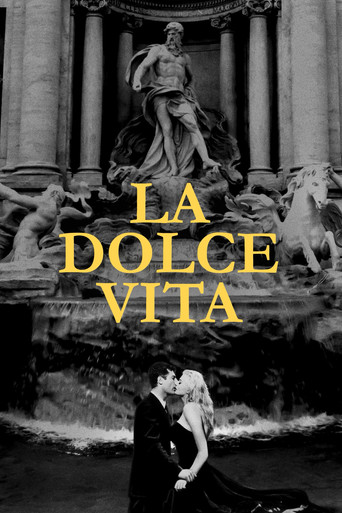
La Dolce Vita (1960)
Fellini widens his view from Rome's margins to its glamorous centre. The episodic structure carries over but the style becomes more spectacular and critical.
Follow the idea
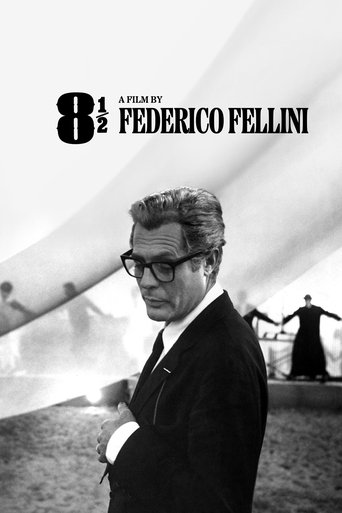
8½ (1963)
Illusion, performance and the search for meaning turn inward as Fellini makes a film about a director in crisis.
See what influenced it
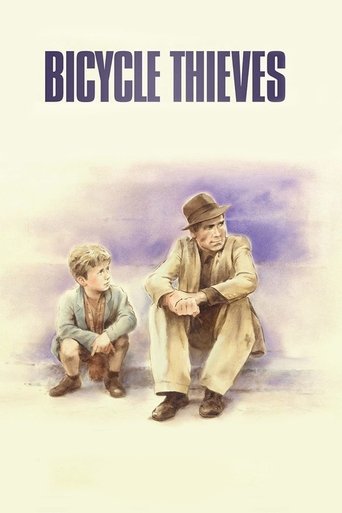
Bicycle Thieves (1948)
The neorealist tradition of poor characters and real streets that Fellini inherits is clearest here, and the contrast with Cabiria shows his move toward personal stylisation.
Compare another approach
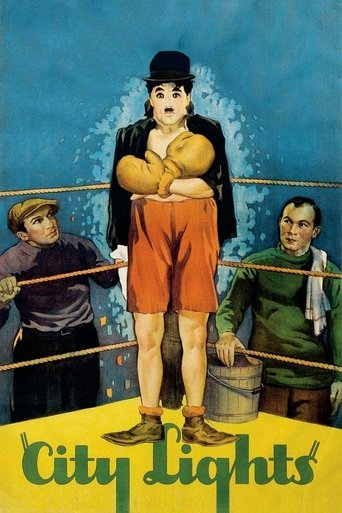
City Lights (1931)
Chaplin's Tramp and Masina's Cabiria both combine comedy, innocence and sadness, and both films end on a face asking what hope costs.