Drama
Ikiru
Japanese (生きる)
1952 · Directed by Akira Kurosawa · 143 min


Drama
Japanese (生きる)
1952 · Directed by Akira Kurosawa · 143 min



Meaning, unpacked
Central idea
The film asks what makes a life count. It can be read as an argument that meaning comes from useful, concrete action for other people, and that institutions and habits are very good at hiding that from us until it is nearly too late.
What it means
Ikiru asks one plain question: what makes a life count? The title means "to live," and the film's answer is simple and hard. Meaning comes from useful, concrete action for other people, and institutions and habits are very good at hiding that from us, often until it is nearly too late.
It is not a depressing film about dying. Illness is the subject, but living is the concern, and the office satire can be funny. A petty city official, Watanabe, learns he is dying. He tries to buy the life he never had, with drink, company and music, but it feels empty, and no single remedy fills the gap. The office is organised so that nobody is ever responsible, and routine and passing the buck turn people into the walking dead long before anyone dies. Then the film turns to his wake, where colleagues argue over who deserves credit and a community rewrites a dead man's story to suit itself. It also hints at a quieter sorrow: he gave himself to a son who barely sees him, and that sacrifice goes unrecognised.
Why it mattered
Ikiru arrived between Rashomon and Seven Samurai. Kurosawa deliberately stepped away from period spectacle to tell a modern story about a small official, showing he could choose small subjects as well as epic ones. It is among his most admired contemporary-set films, and proof that his humanism mattered as much to his art as his action cinema.
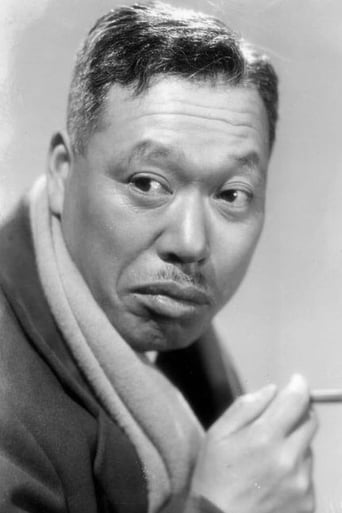
It also took a structural gamble. Partway through, the film leaves its hero's inner journey and becomes an investigation, with colleagues' competing memories pieced together in flashbacks. That challenged the audience and showed that a person's meaning is assembled by others. Takashi Shimura's minimal acting, with a slow, hesitant voice and stooped body, made the change visible without big speeches.
Before anyone tells you what to think: what did you make of it?
Log in to rate it and leave commentsIt takes one click with Google or an email link. You come straight back here.
Rate it, keep your notes, and find the next film.
Free, no ads. Your journal, your lists, a Cine Guide that remembers you.
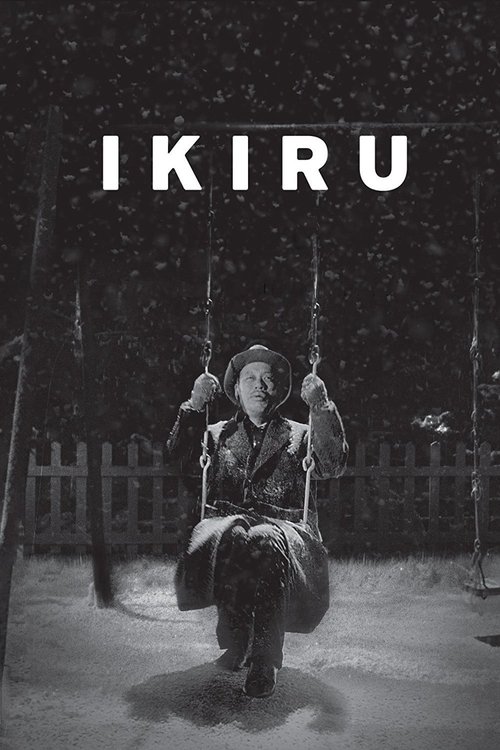
Create your free spaceIts story of a dying official finding purpose has been retold often. The most direct descendant is Living, from 2022, with a screenplay by Kazuo Ishiguro, which moves the story to 1950s London. The film also showed that a life could be reconstructed through other people's accounts. The petition passed from desk to desk is still shorthand for bureaucratic buck-passing, and Watanabe on the swing in the snow is one of the best-known images in Japanese cinema.
Ikiru was well received in Japan and reached foreign audiences more slowly than Rashomon, but admiration grew with Kurosawa's reputation. Today it is seen as one of his finest works, perhaps his most emotionally direct, and it is taught in courses on philosophy, ethics, management and death and dying. It asks what you will do with the time you have.
What happens
The film jumps to Watanabe's wake, where his colleagues piece together what he did. The park exists because of him. They vow to follow his example, but the next day at the office they slip back into old habits.
The last image
Watanabe sits on a swing in the falling snow, singing.
What it says
A life counts through concrete good done for others, and the film shows how easily we forget that. The colleagues' relapse is the warning, and the swing is the answer: Watanabe finished his work, and he met his end at peace.
Or follow an idea from this film


Continue the director
Seven Samurai (1954)
Kurosawa's next great film, with Takashi Shimura again at the centre. It moves from bureaucracy to heroism, while keeping the same question about what makes a life worthwhile.
Explore the era or movement
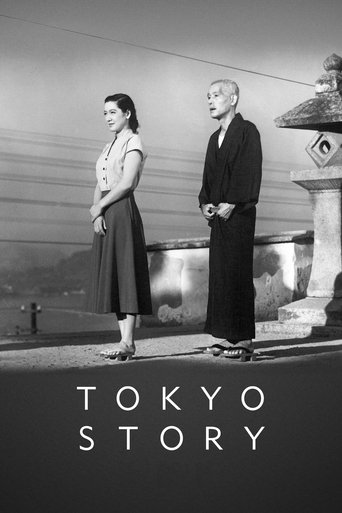
Tokyo Story (1953)
Ozu's quiet family drama is the other great Japanese film of the period. It shares Ikiru's attention to generations and unspoken disappointment.
Follow the idea
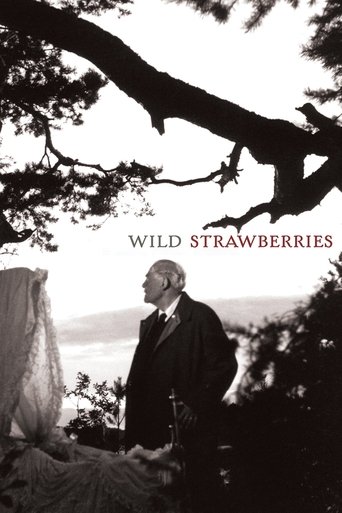
Wild Strawberries (1957)
Bergman's old professor looks back over his life in the face of mortality, a European parallel to Watanabe's late reckoning.
Compare another approach
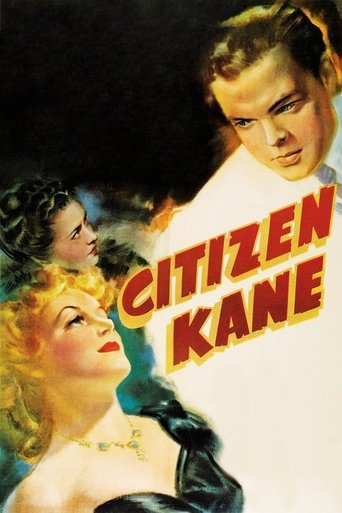
Citizen Kane (1941)
Both films assemble a dead man's life from the competing memories of others. Compare what each concludes about knowing a person.
Jump forward
Living (2022)
Seeing the remake after the original shows how the story travels across cultures and what changes with the setting.