Loading…








Meaning, unpacked
Central idea
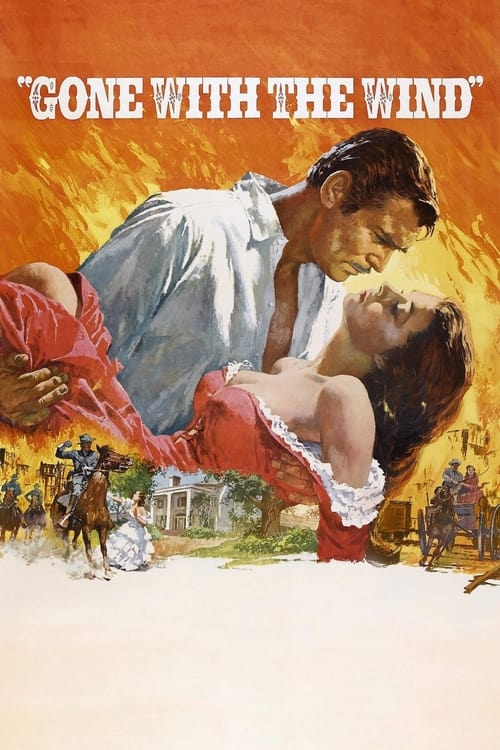
The film is about survival and self-deception: Scarlett endures catastrophe through sheer will, yet she clings to a fantasy of love and of a vanished world. It can be read as an elegy for a South that the film itself idealises.
What it means
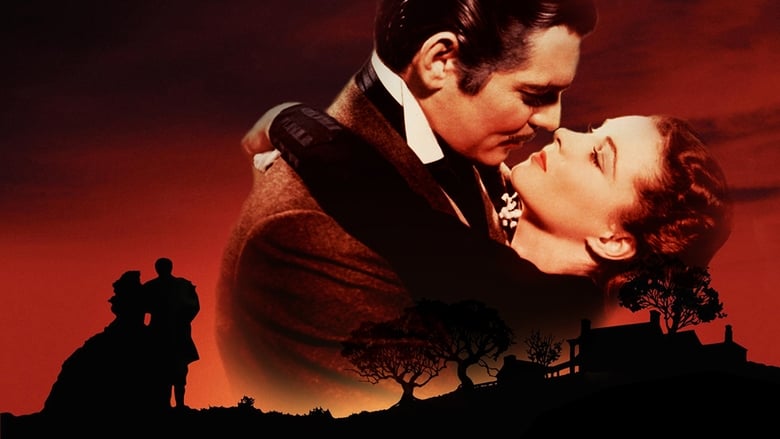
On the surface, this is a story about Scarlett O'Hara, who clings to a vanished way of life and to a man she imagines she loves. She survives the war, rebuilds, and loses the one person who truly loved her. Underneath, it is a film about survival and its price. It admires her drive to endure, and it shows what that costs her in love and in conscience. Her great mistake is loving an idea of Ashley rather than the man himself, so she sees what she truly values only when it is almost gone.
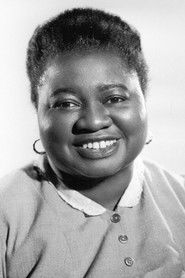
The film's sympathy is also its problem. It mourns the old South as gracious and gone, yet that grace depended on slavery, which the film largely softens. It follows the Lost Cause tradition of Margaret Mitchell's novel, which historians widely criticise. So it is not an accurate picture of the Civil War South. It is a myth, beautifully made. Mammy and the other servants are drawn mostly through stereotype, though Hattie McDaniel gives Mammy dignity and moral authority.
Why it mattered
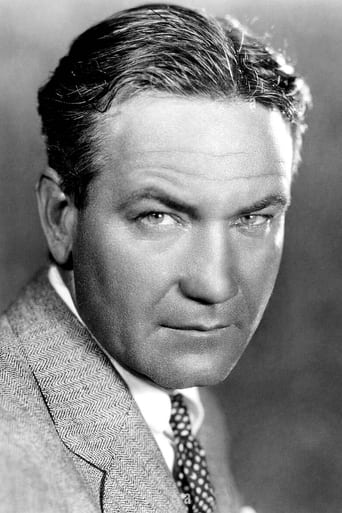
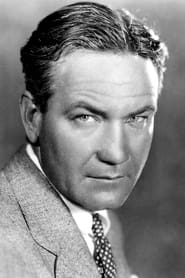
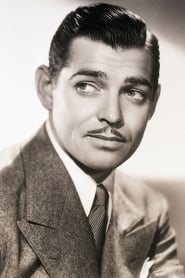
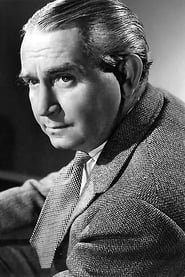
In 1939 this was a producer's film on a vast scale. David Selznick controlled script, design and editing so tightly that the film feels like one vision, even though George Cukor began it and Sam Wood filled in when Victor Fleming was ill. Fleming is the credited director and won the Oscar. The film also used early Technicolor to separate moods: warm interiors, red skies, grey ruins. The burning of Atlanta was shot first, on old studio sets set alight, including a wall left over from King Kong. Scarlett had not even been cast, so a stand-in was used.
Before anyone tells you what to think: what did you make of it?
Log in to rate it and leave commentsIt takes one click with Google or an email link. You come straight back here.
Rate it, keep your notes, and find the next film.
Free, no ads. Your journal, your lists, a Cine Guide that remembers you.
Create your free spaceIt also gave audiences a striking portrait of a woman running land, money and a household in a society that expected her to be decorative. Her vow at Tara turns one woman's resolve into an image of national endurance. The film opened in December 1939 as a major public event, with a splashy Atlanta premiere. Even Rhett's last line mattered: it used a mild profanity the Production Code frowned on, and after debate the censors allowed it.
Its influence is large. It made the long, event-style roadshow epic a prestige format, which later films like Ben-Hur and Doctor Zhivago followed. Its lines became everyday speech, and Scarlett's vow is often parodied, as in the Carol Burnett curtain-rod dress sketch. It won eight competitive Academy Awards, including Best Picture, Director and Actress, plus two special awards for technical and colour achievement. Hattie McDaniel became the first African American to win an Academy Award, yet she sat at a segregated table at the ceremony.
Today it is discussed both as an achievement and as a problematic historical myth. In 2020, HBO Max briefly pulled it, then restored it with an introduction by the scholar Jacqueline Stewart. Perhaps the right way to hold it is to admire its craft, while refusing to take its version of history on trust. For where to go next, look for later films that challenge its picture of the South.
What happens
Melanie dies, and Scarlett finally sees she never loved Ashley, only Rhett. But Rhett is done with her and walks out into the fog. Alone at Tara's memory, Scarlett decides she will win him back.
The last line
After all, tomorrow is another day.
What it says
Scarlett learns the truth about her heart too late, and the film won't undo it. Her stubborn resolve, the same drive that kept her alive, is all she has left. It ends on endurance, not a happy reunion.
Or follow an idea from this film
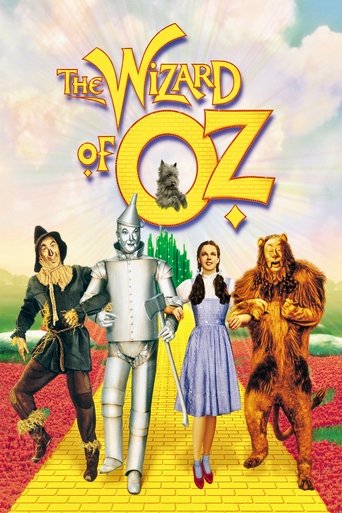

Continue the director
The Wizard of Oz (1939)
Fleming's other great film of the same year, also in Technicolor. A good way to see his craft in a very different, fantastical register.
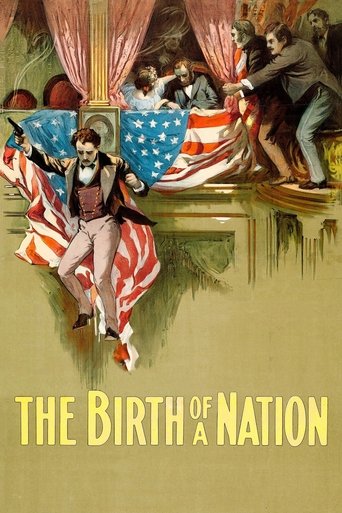
See what influenced it
The Birth of a Nation (1915)
The earlier Civil War epic whose view of the South underlies this film's. Essential for understanding the tradition and its problems.
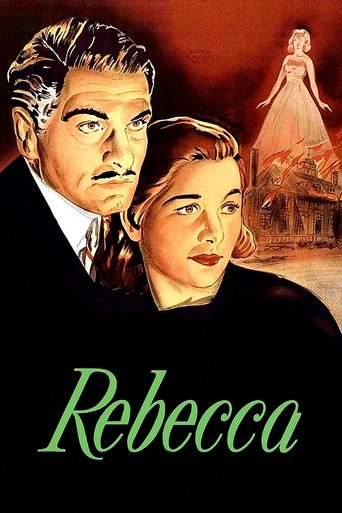
Explore the era or movement
Rebecca (1940)
Another Selznick production adapted from a bestselling novel, directed by Alfred Hitchcock. It shows how much of the prestige-picture style was Selznick's.

Jump forward
Doctor Zhivago (1965)
The epic romance as practised a generation later, with a long running time, an intermission and a famous score.
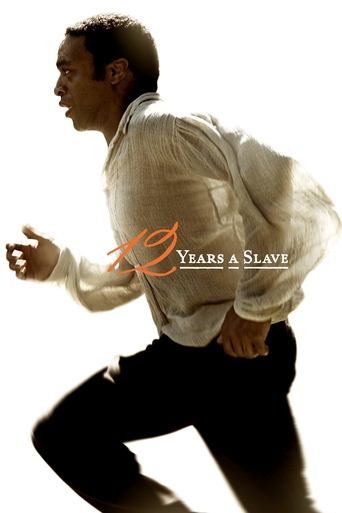
Compare another approach
12 Years a Slave (2013)
Set in the same era and region, it shows slavery without romantic distance. Together the two films reveal how much depends on whose story is told.