Comedy · War
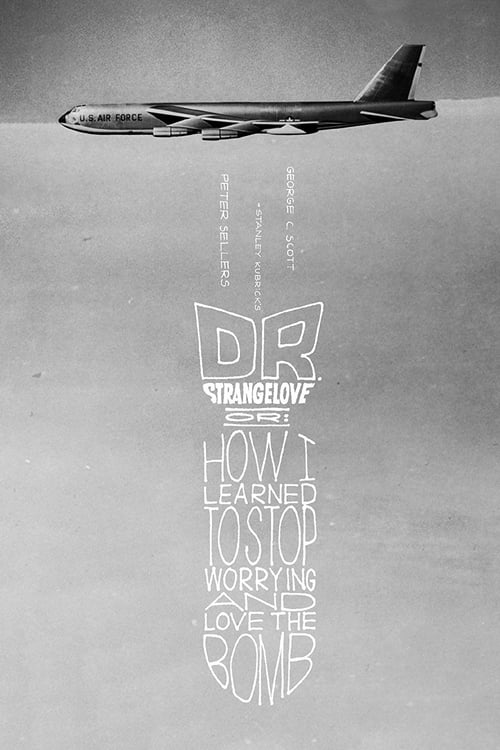
Dr. Strangelove
British (Dr. Strangelove or: How I Learned to Stop Worrying and Love the Bomb)
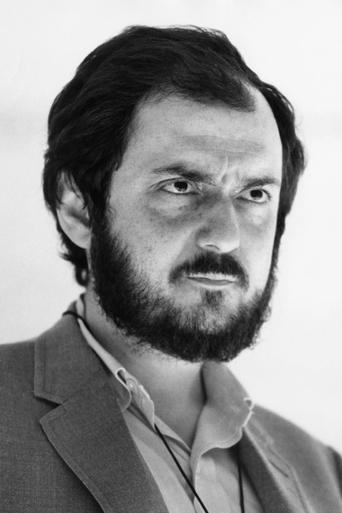
1964 · Directed by Stanley Kubrick · 95 min


Comedy · War
British (Dr. Strangelove or: How I Learned to Stop Worrying and Love the Bomb)
1964 · Directed by Stanley Kubrick · 95 min







Meaning, unpacked
Central idea
The film can be read as an argument that the system built to prevent nuclear war is run by fallible, vain and obsessive people, so that disaster comes from ordinary human failings working through rigid procedure rather than from villainy.
What it means
A rogue general sends his bombers toward the Soviet Union. The people in the War Room try to stop them and fail, and the world ends to the sound of a sentimental song. But the idea underneath matters more than the plot. The film argues that the system built to prevent nuclear war is run by fallible, vain and obsessive people. Nobody in it is a true villain. Disaster arrives through ordinary human failings, working through rigid procedure.
The doomsday machine is the sharpest example: a policy built on mutual destruction only works if no human can interrupt it, so the policy itself becomes absurd. The film makes you laugh at that, then makes you uneasy about laughing. Procedure is the running joke with a sharp edge, because people follow the book even when it plainly leads them wrong. Madness is delivered politely, and the names (Jack D. Ripper, Buck Turgidson, Merkin Muffley) tie military power to sexual anxiety from the very start. The closing joke is a song about reunion playing over the end of everything. It's warm, and it's unbearable, and that's the point.
Why it mattered
In 1964 it showed that a mainstream studio picture could treat the possibility of annihilation as absurd. Kubrick began by adapting Peter George's serious novel Red Alert, found the situations too absurd to play straight, and brought in Terry Southern to make it a comedy. He kept the thriller's mechanics and replaced its seriousness with satire.
Before anyone tells you what to think: what did you make of it?
Log in to rate it and leave commentsIt takes one click with Google or an email link. You come straight back here.
Rate it, keep your notes, and find the next film.
Free, no ads. Your journal, your lists, a Cine Guide that remembers you.
Create your free spaceThe look helped. Ken Adam designed the War Room without access to the real thing, and audiences took his vast triangular concrete space for reality. Gilbert Taylor's handheld, newsreel-like air base scenes sat against that stylised room, which lent the comedy a sense of truth. The US Air Force refused to cooperate, saying such an accident could not happen, so the sets were built in England. Reviewers were sharply divided: many praised its nerve and wit, while some found its treatment of nuclear war irresponsible or disturbing. It was still a commercial success, and it earned four Oscar nominations without a win.
The film helped make black comedy a mainstream American mode, paving the way for M*A*S*H and Catch-22. Its War Room image and its mix of horror and farce recur in political satire, from The Death of Stalin to television comedy. The name Strangelove became shorthand for a coldly rational nuclear strategist, and the doomsday machine remains a reference point in arms-control writing. Reagan is reported to have asked, after taking office, to see the Pentagon's War Room.
Its reputation has grown steadily. Today it is widely regarded as one of the greatest comedies and political satires, and a key work in Kubrick's career. Its lines and images are widely known, and it is still shown in courses on nuclear policy, politics and film. If you want to go further, read Red Alert, the serious book underneath it all, and look at the satires that followed.
What happens
Major Kong rides the bomb down onto its target, which sets off the Doomsday Machine. In the War Room, Strangelove rises from his wheelchair, and nuclear explosions fill the screen, so the world ends despite everyone's efforts to prevent it.
The last image
Mushroom clouds bloom across the screen, one after another, while a wartime love song plays over the end of the world.
What it says
The ending shows that the system built to prevent nuclear war fails through ordinary human flaws and rigid procedure, not villainy. The sentimental song makes you laugh and then feel uneasy, which is exactly how the film wants you to feel.
Or follow an idea from this film

Continue the director
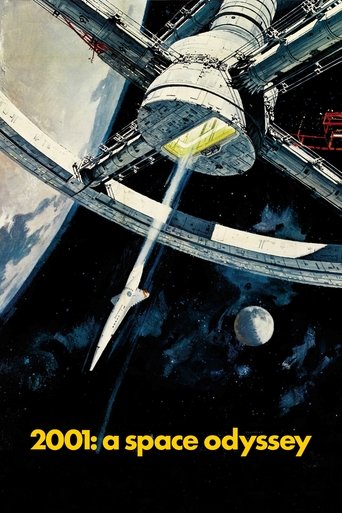
2001: A Space Odyssey (1968)
Kubrick's next film pairs the same cool detachment and distrust of machines with a very different, visionary tone, and shows his range.
Follow the idea
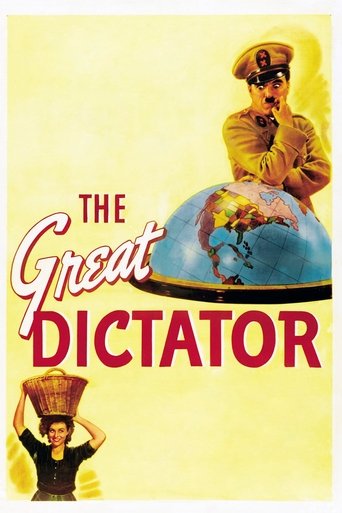
The Great Dictator (1940)
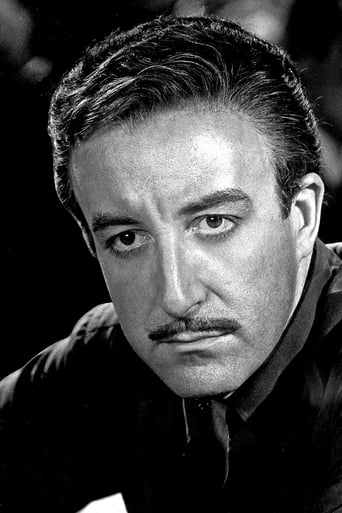
An earlier satire that ridicules military and political power through double roles and farce, and a useful comparison for Sellers' multiple parts.
Compare another approach
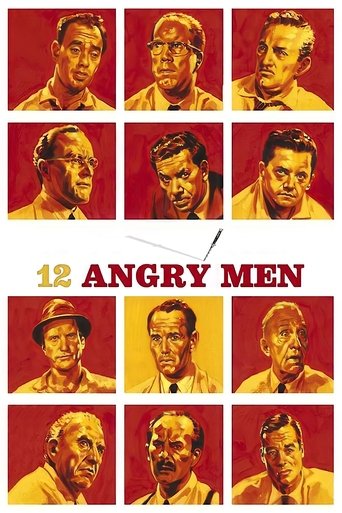
12 Angry Men (1957)
Another film set largely in one room, where a group of men argue over a high-stakes decision, but treated with sober earnestness rather than satire.
Explore the era or movement
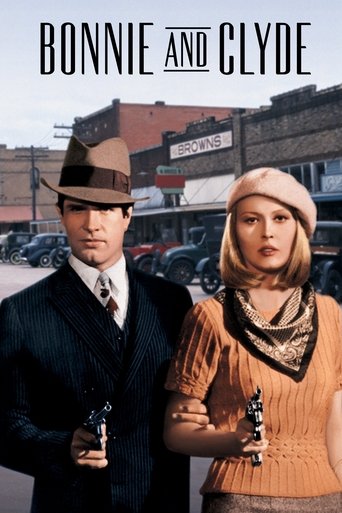
Bonnie and Clyde (1967)
A later 1960s American film that also mixes comedy and shocking violence, showing how audiences and studios were changing.