Drama · Romance
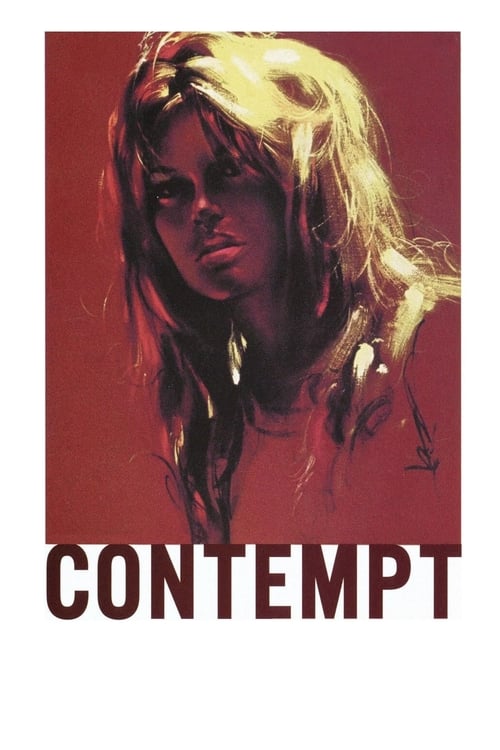
Contempt
French (Le Mépris)
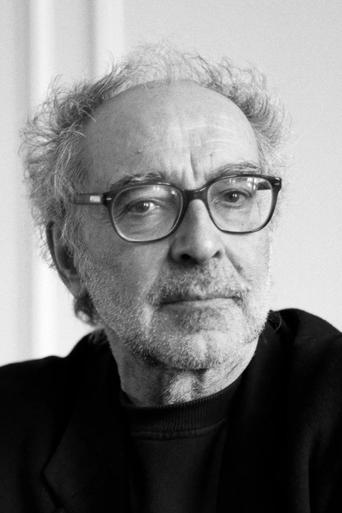
1963 · Directed by Jean-Luc Godard · 103 min


Drama · Romance
French (Le Mépris)
1963 · Directed by Jean-Luc Godard · 103 min




Meaning, unpacked
Central idea
The film can be read as a study of how modern commerce and art erode love and meaning. Its marriage unravels beside a film production that is itself being compromised, and both stories ask whether ideals can survive being sold.
What it means
Contempt follows a screenwriter who trades his talent for money while reworking an adaptation of the Odyssey for a crude producer, with Fritz Lang directing. As he compromises, his marriage to Bardot's character falls apart. The real subject is what happens to love and meaning when they meet money. Can an ideal survive being sold?
The second theme is failure to communicate. Translation runs through the film, yet the couple share a language and still cannot say what has changed between them. Love dies less from one event than from lost respect, and from the failure to explain. Set against the Odyssey, a story of the long journey home, they cannot find their way back to each other. The long apartment argument shows it: small grievances harden into rupture, played with restraint and withdrawal rather than outbursts. The film ends by the sea at Capri, where the classical landscape meets modern tragedy.
Why it mattered
In 1963 this was the New Wave's most direct collision with the commercial industry it had defined itself against. It was Godard's sixth feature, made with international stars, a large budget and CinemaScope colour. It shows the movement turning from low-budget rebellion to a reflection on cinema, commerce and classical tradition.
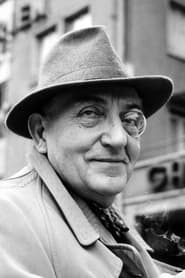
It borrows the look of a big romance, with saturated colour and wide frames, then undercuts it. Delerue's lush theme sounds like a Hollywood score but is cut and placed abruptly. Scenes run long, then break off for quotations and shifts of tone, so real emotion and modernist artifice sit side by side. And Lang, who made Metropolis and M, plays himself, a living link between earlier cinema and the generation that revered him.
Before anyone tells you what to think: what did you make of it?
Log in to rate it and leave commentsIt takes one click with Google or an email link. You come straight back here.
Rate it, keep your notes, and find the next film.
Free, no ads. Your journal, your lists, a Cine Guide that remembers you.
Create your free spaceReception was mixed. Many French critics admired it, though some found it cold. Levine's distributors in the United States and Italy shortened or altered it, and it was not a commercial success. Bardot drew more attention than the ideas, which is a little ironic given what the film says about packaging a star.
Its reputation has grown steadily. Today it is often seen as Godard's most accessible major film and one of the great films about filmmaking, valued as both a romance and an essay. It helped make films about filmmaking a serious genre and influenced later self-reflexive directors, from Wong Kar-wai's stylised romances to Scorsese's use of Delerue's theme in Casino. The producer against the artist became shorthand for studio interference. Perhaps that is its last irony: a story about art being sold has become a classic people keep returning to, and keep trying to understand.
What happens
Camille leaves with Prokosch, and Paul decides to quit the film and return to his own writing. Then the two are killed when his car crashes. The marriage ends without the explanation Paul wanted, while Lang goes on filming.
The last image
By the sea at Capri, Lang calls for the next shot as Odysseus looks toward Ithaca.
What it says
Camille's death settles nothing: Paul never gets his answer, and the film he walked away from carries on. The Odyssey's journey home is still being staged while the couple have lost theirs. Art goes on, and love cannot be repaired.
Or follow an idea from this film

Continue the director
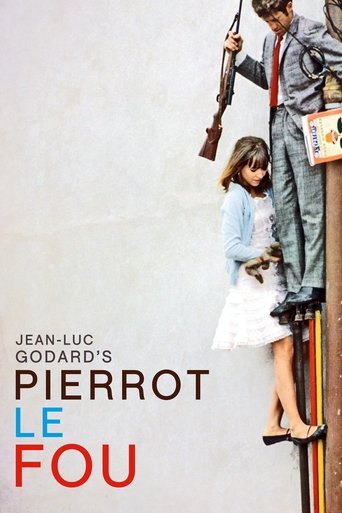
Pierrot le Fou (1965)
Godard's next colour film, again with a couple in flight, shows his style becoming looser, more political and more fragmented.
Explore the era or movement
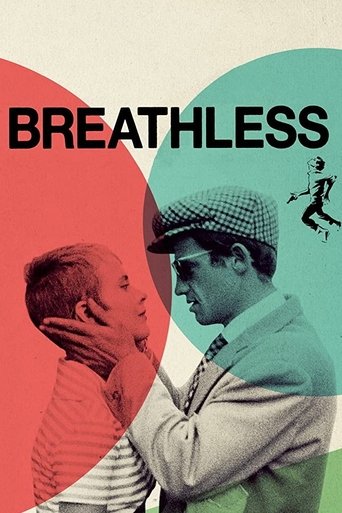
Breathless (1960)
Godard's first feature, lean and black and white, is the best contrast with Contempt's polish and shows how far he had come.
Follow the idea
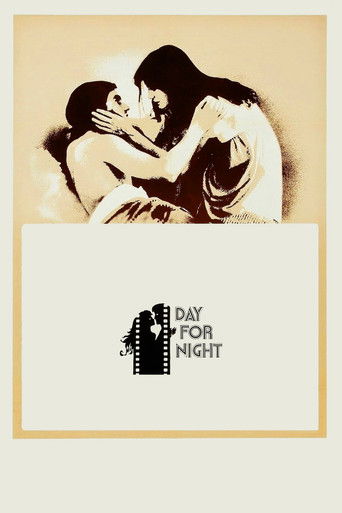
Day for Night (1973)
Another film about film production, this one warm and affectionate, makes a good counterpart to Godard's colder view.

See what influenced it
Metropolis (1927)
Lang's silent epic shows the scale and ambition of the filmmaker who appears in Contempt, and why Godard cast him.
Compare another approach
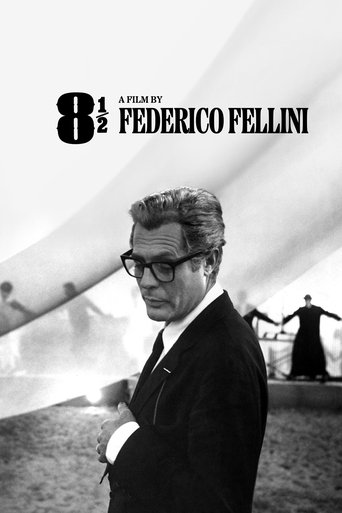
8½ (1963)
Fellini's film of the same year also examines a director's crisis, with a romantic and dreamlike approach.