Comedy · Drama · Romance
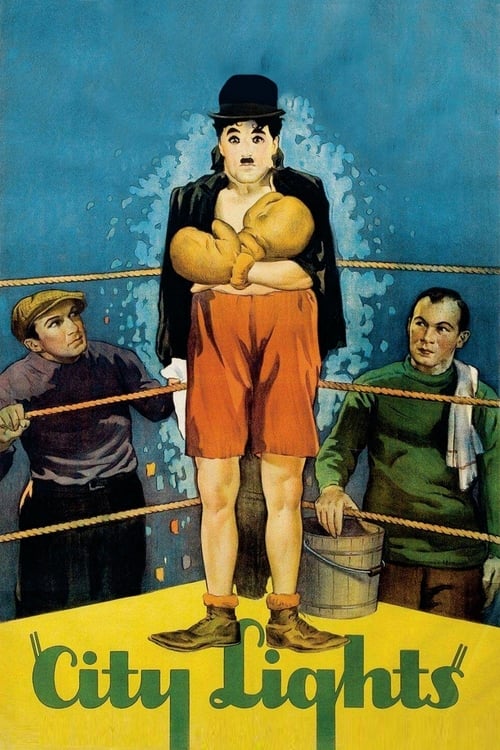
City Lights
American
1931 · Directed by Charlie Chaplin · 87 min


Comedy · Drama · Romance
American
1931 · Directed by Charlie Chaplin · 87 min

Meaning, unpacked
Central idea
The film is about the gap between appearance and worth. Kindness, love and social standing depend on what people see, or fail to see, and the Tramp's generosity is the only thing that is real.
What it means
City Lights is about the gap between how things look and what they are worth. A tramp falls for a blind flower girl, who mistakes him for a rich man. A drunken millionaire adores him at night and forgets him in the morning. That is all the plot you need; the film is in what it does with it.
It keeps asking who really sees whom. The flower girl is blind, but the millionaire is blind too, in his own way. Wealth here is careless and unstable, while the Tramp, who has nothing, gives everything. His love is never explained in speech. It is proved by what he gives up. And the film asks a hard question: can love built on a mistake survive being recognised? The answer comes in a final look and a touch, and you are trusted to read a face.
Why it mattered
Chaplin began work in 1927, just as talking pictures were taking over. He chose to keep the film silent, composed the score himself and recorded it with an orchestra. It is not quite wordless: there is synchronised music and a few sound effects, only no spoken dialogue. The opening joke, with speeches rendered as garbled, trumpet-like noises, mocks sound cinema while declaring that this film will stay silent.
What it showed is how much a film can carry through gesture, timing and a face. Scenes were rehearsed and retaken at length until they were exact, and the camera mostly stays back in full-figure shots so whole-body comedy can play out. Close-ups are saved for key emotional beats. The first flower-girl scene builds a whole misunderstanding from a car door, a sound and a gesture, with no explanatory titles.
Before anyone tells you what to think: what did you make of it?
Log in to rate it and leave commentsIt takes one click with Google or an email link. You come straight back here.
Rate it, keep your notes, and find the next film.
Free, no ads. Your journal, your lists, a Cine Guide that remembers you.
Create your free spaceIt premiered in Los Angeles in January 1931 and was a major box-office success even with sound dominant. Audiences and most critics were warm, though some thought silent filmmaking outdated. The ending was singled out at once. It won no Academy Awards.
Its reputation has only grown. Many now see it as the peak of Chaplin's work and of silent comedy. It showed that sentiment and slapstick can live in one film, and later comic filmmakers who blend humour with melancholy owe it something. The Tramp's bowler hat, cane and moustache became shorthand for the poor but gallant underdog, and even IBM borrowed him for a 1980s computer campaign. The final scene is still widely cited as one of cinema's most moving without a word of dialogue.
What happens
Released from prison, the ragged Tramp passes the flower shop run by the girl, whose sight has been restored. She laughs at him, then offers him a flower and a coin, and recognises him by touch. He realises the girl he helped now sees him.
The last image
The Tramp stands in the doorway, shy and hopeful, nodding in answer to her question, with the flower held to his chest.
Three readings
What it says
The whole film turns on appearance versus worth. Now that she can see, she learns his poverty and his sacrifice together. The ending holds on his face because only recognition matters, and it asks whether love built on a mistake can bear the truth.
Or follow an idea from this film

Continue the director
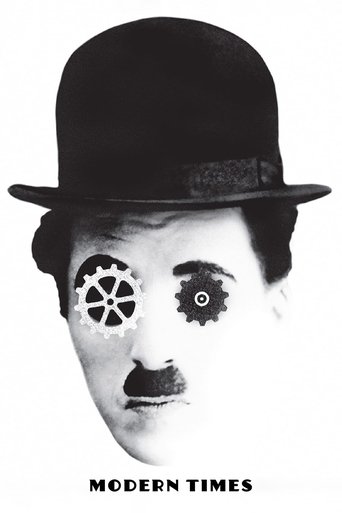
Modern Times (1936)
Chaplin's next feature continues the silent Tramp with music and effects, now in a satire of the machine age.
Compare another approach
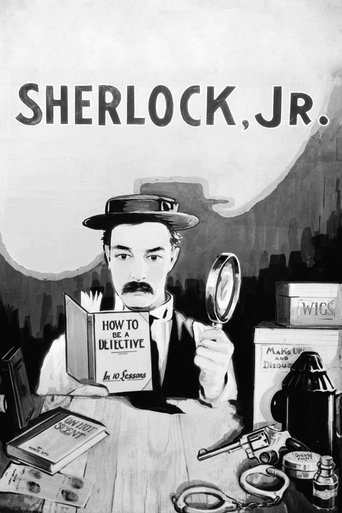
Sherlock Jr. (1924)
Buster Keaton's silent comedy is more mechanical and visual than emotional, so it shows the other great path of silent comedy.
See what influenced it
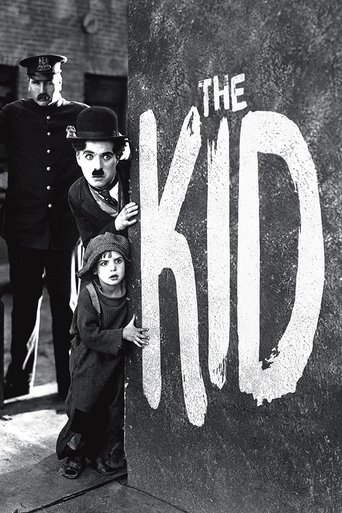
The Kid (1921)
An earlier example of Chaplin's sentimental comedy and the Tramp as a protector.
Jump forward
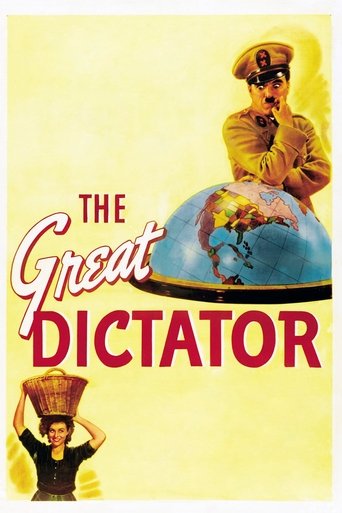
The Great Dictator (1940)
Chaplin's first full sound film shows what he did with dialogue after resisting it here.