Drama · Mystery · Crime
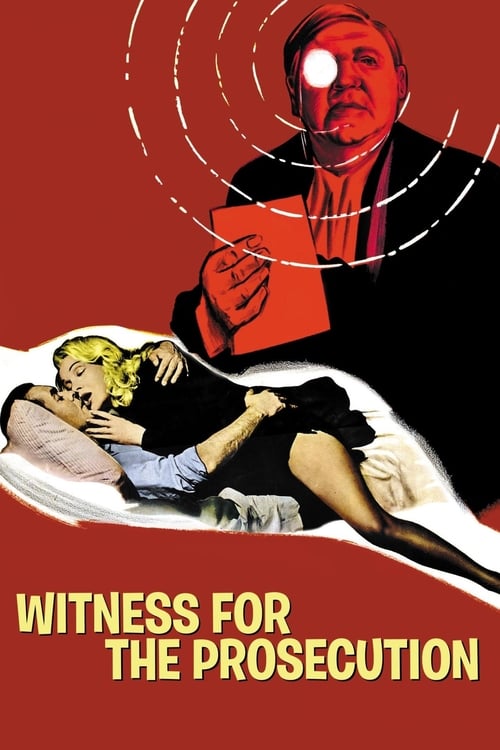
Witness for the Prosecution
American
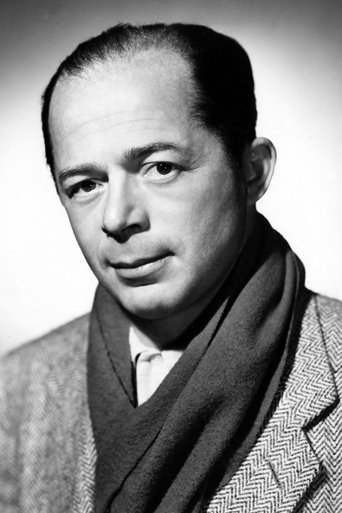
1957 · Directed by Billy Wilder · 116 min


Drama · Mystery · Crime
American
1957 · Directed by Billy Wilder · 116 min
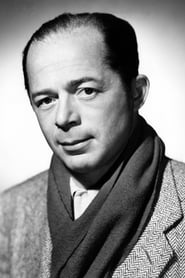


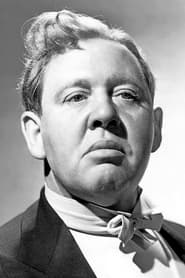
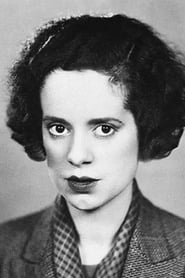
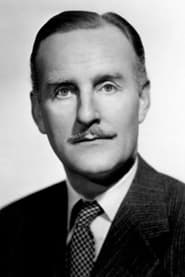


Meaning, unpacked
Central idea
The film can be read as a study of performance and belief: courts, like theatres, run on what people can be made to see and accept. Wilder uses a murder trial to ask how far appearances, loyalty and love can be trusted.
What it means
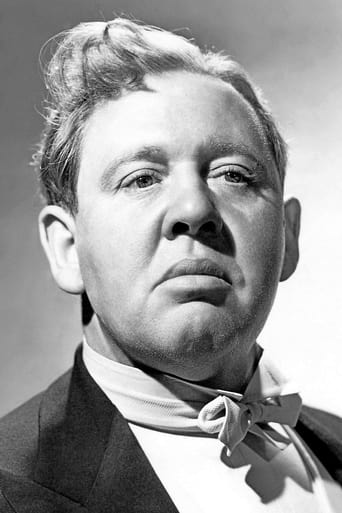
You've seen the trick, so the better question is what Billy Wilder was really doing. The central idea is that a courtroom is a theatre. Both run on what people can be made to see and accept. Lawyers, witnesses and defendants are all performing, and Charles Laughton's barrister openly treats the court as a stage. The film asks how much truth survives when persuasion is the aim.
That leads to its sharpest theme: what is legally proven is not the same as what is true. A trial can produce a verdict without producing justice. The acquittal feels like an answer, and the final minutes show it isn't one. Around that sit a marriage built from sacrifice, calculation and betrayal, where devotion and manipulation are hard to tell apart, and a gentler thread about an ageing man, told to slow down, who cannot resist the case.
Why it mattered
In its time, this was a defining courtroom drama of the late studio era, and a key example of how Hollywood adapted successful stage plays for the screen in the 1950s. It showed that one courtroom, a sharp script and a strong cast could hold suspense for nearly two hours.
It also shows craft beating the label "filmed play." Wilder and Harry Kurnitz expanded Agatha Christie's play with new scenes, the Hamburg flashback and the nurse, and shifted the tone toward comedy. Daniel Mandell's Oscar-nominated editing leans on reaction shots, so the suspense comes from faces, not just words. Marlene Dietrich's cross-examination, played with minimal gestures and a tightly controlled voice, turns the trial around by staying calm.
Before anyone tells you what to think: what did you make of it?
Log in to rate it and leave commentsIt takes one click with Google or an email link. You come straight back here.
Rate it, keep your notes, and find the next film.
Free, no ads. Your journal, your lists, a Cine Guide that remembers you.
Create your free spaceThe film was a commercial and critical success, with six Oscar nominations, including Best Picture, Best Director and Best Actor for Laughton. It won none. Still, it helped set the template for the star-driven courtroom thriller with a late reversal. Later trial dramas often borrow its mix of wit, theatricality and moral doubt, and it remains the model for bringing Christie to the screen.
Today it ranks among the best courtroom films and among Wilder's most enjoyable dramas. Its reputation holds because it plays well on repeat viewings. Once the surprise is gone, you can watch the craft instead. Watch it again and notice who is watching whom. The film was never about who did it. It was about how easily a room can be persuaded.
What happens
After Leonard is acquitted, Christine reveals she faked her betrayal: she was the Cockney woman and wrote the letters. Leonard then gloats that he really did kill Mrs French, so Christine stabs him. Wilfrid agrees to defend her.
The last image
Wilfrid, shaken, takes up Christine's defence, and Miss Plimsoll helps him back into his barrister's role.
What it says
The acquittal looks like an answer but isn't one: a trial can end in a verdict without justice. Everyone has been performing, and love and manipulation are hard to tell apart. The twist shows how easily a room can be persuaded.
Or follow an idea from this film
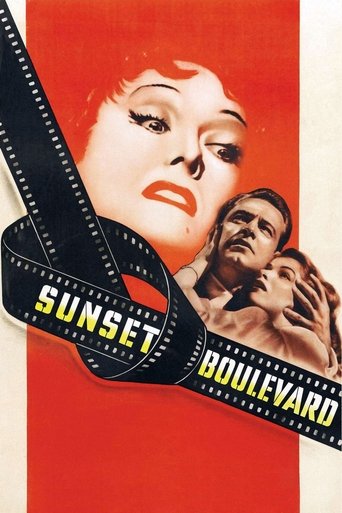

Continue the director
Sunset Boulevard (1950)
Wilder's darker, more cynical Hollywood drama shows his command of voice, dialogue and performance in a very different register.
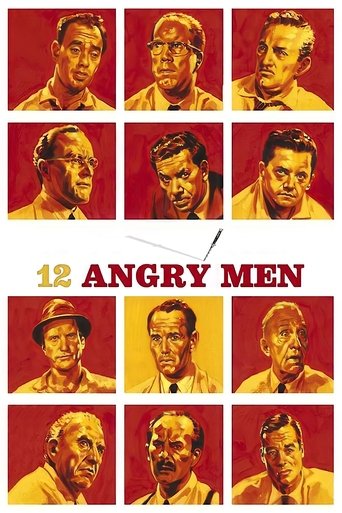
Compare another approach
12 Angry Men (1957)
Released the same year, it treats the law as a stripped-down drama of persuasion, with a single room and no theatrics beyond argument.
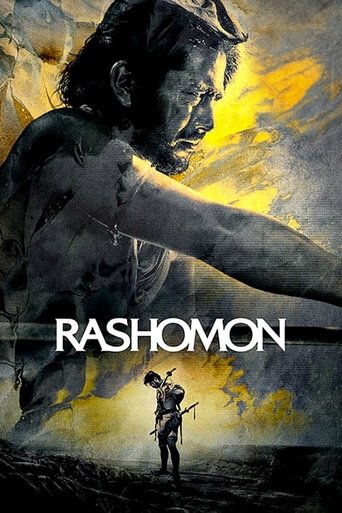
Follow the idea
Rashomon (1950)
Another film in which testimony is shaped by the witness, raising the question of how much any account of a crime can be trusted.
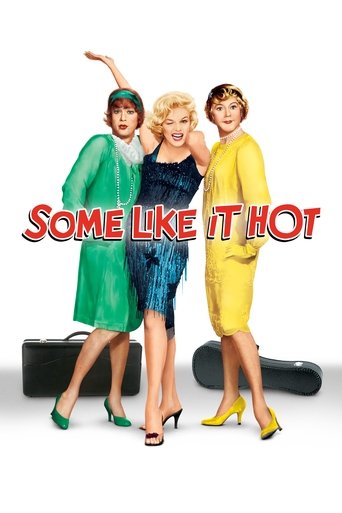
Continue the director
Some Like It Hot (1959)
Wilder's next great success, a comedy that shows the wit and timing already visible in this film's lighter scenes.

Jump forward
Anatomy of a Fall (2023)
A contemporary courtroom drama that carries the genre's interest in performance and doubt into a modern, more ambiguous mode.