Science Fiction · Drama
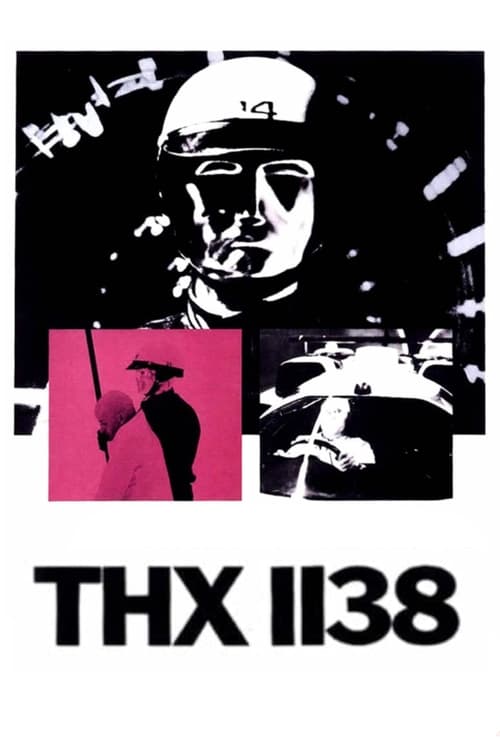
THX 1138
American
1971 · Directed by George Lucas · 86 min


Science Fiction · Drama
American
1971 · Directed by George Lucas · 86 min







Meaning, unpacked
Central idea
The film imagines a society that controls people not through brute violence but through sedation, consumption and bureaucracy, then asks what remains of human feeling once those are removed. It can be read as a study of how institutions replace identity with function.
What it means
You have just watched a man named by letters and digits slip out of a world that wants him calm, useful and quiet. He stops taking his sedatives, he wants another person, and he runs. That is nearly all the story, and that is the point. The film is less a tale than an argument about how institutions replace identity with function, using sedation, consumption and paperwork instead of brute violence.
Think of the confessional booth, where a mechanical priest offers canned, comforting phrases. Religion, therapy and advertising melt into one voice saying be obedient and be grateful. Then the white void prison, with no walls and no horizon, a punishment made of nothing. Then the final sun and sky, which may read as release or as exposure. Desire is the quiet engine: intimacy is outlawed, so being named, chosen and missed is what resists the number. Even punishment runs on budgets, which is where the grim humour comes from.
Why it mattered
This was George Lucas's first feature, grown from his USC student short, Electronic Labyrinth: THX 1138 4EB. Coppola's American Zoetrope helped him expand it with Warner Bros. money. It is cold, abstract and nearly plotless, a bleak, idea-driven dystopia built from image and sound rather than spectacle, and a key early film of the New Hollywood generation.
Much of its chill comes from how it was made. Walter Murch, who co-wrote it, layered overlapping voices and electronic noise so the control system seems to be everywhere. Real tunnels and modernist buildings around the San Francisco Bay Area stood in for the future, and wide frames set tiny figures in huge white or grey spaces. Sound and design did the work that money could not.
Before anyone tells you what to think: what did you make of it?
Log in to rate it and leave commentsIt takes one click with Google or an email link. You come straight back here.
Rate it, keep your notes, and find the next film.
Free, no ads. Your journal, your lists, a Cine Guide that remembers you.
Create your free spaceReception at the time was lukewarm. Some critics praised its visual daring and its sound, but many audiences found it cold and difficult. Warner executives disliked it, trimmed it by a few minutes and distanced themselves from Zoetrope, which strained Coppola's studio plans and left Lucas wary of Hollywood interference. It did poor business, though it did screen at Cannes in the Directors' Fortnight.
After Star Wars made Lucas famous, people looked again, and it became a cult favourite. Its shaven heads, mandated sedation and spotless white void became shorthand for dehumanising conformity, and its sound-centred worldbuilding fed into later dystopian science fiction. Today it is valued as a bold experimental debut and an early example of design-led science fiction, though its austerity still divides viewers. If you watch it again, choose the original version, not the 2004 one with added digital effects.
What happens
THX climbs a long ladder out of the underground city. The authorities have dropped the chase because it costs too much. He reaches the surface alone, where a huge sun is setting. It reveals that the system values efficiency over him.
The last image
THX stands small and alone in the glow of an enormous setting sun, outside the city for the first time.
Two readings
What it says
The film ends on a plain, open image rather than a victory. The system only let him go because chasing him wasn't worth the cost, so his freedom is as bureaucratic as everything else. What matters is that he wanted, and moved.
Or follow an idea from this film

Continue the director
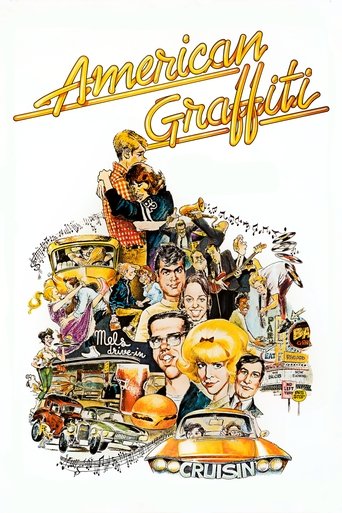
American Graffiti (1973)
Lucas's second feature is a warm, popular nostalgia film, and the contrast shows how widely his range runs before Star Wars.
Follow the idea
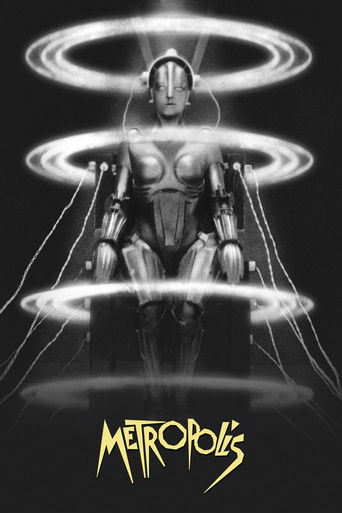
Metropolis (1927)
The silent classic of workers beneath a mighty city shows where cinema's dystopian imagery began.
Compare another approach
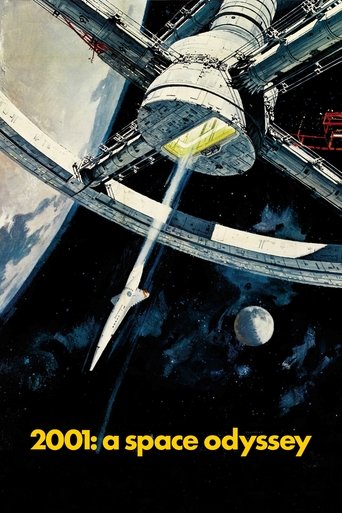
2001: A Space Odyssey (1968)
Another austere, sound-conscious science fiction about technology and human feeling, on a far grander scale.
Explore the era or movement
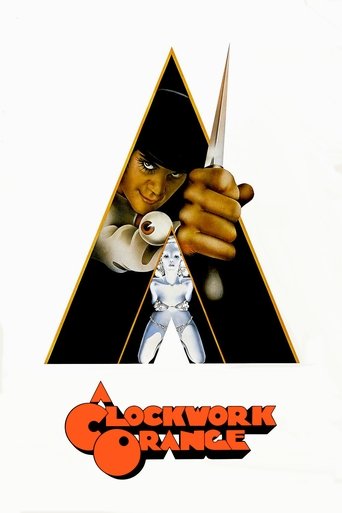
A Clockwork Orange (1971)
Released the same year, it presents a different, more violent dystopia and shows how the early 1970s approached state control.
See its influence
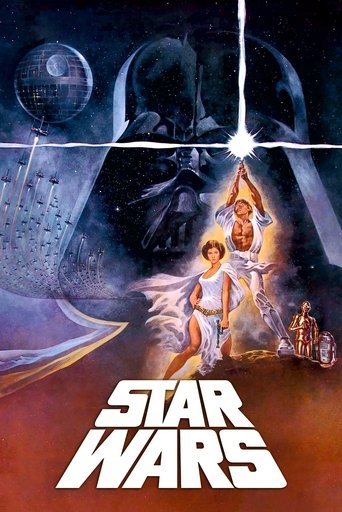
Star Wars (1977)
It shows how Lucas turned the same interest in systems and sound into a vast mainstream phenomenon.