Thriller · Mystery
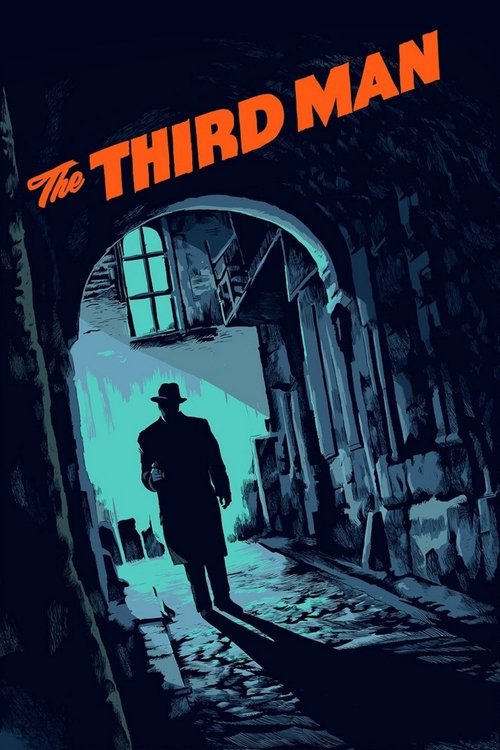
The Third Man
British
1949 · Directed by Carol Reed · 105 min


Thriller · Mystery
British
1949 · Directed by Carol Reed · 105 min
Meaning, unpacked
Central idea
The film can be read as a study of innocence meeting experience: a naive man's loyalty to a friend collides with the moral compromises of a ruined continent, and it asks what personal faith is worth against public harm.
What it means
Holly writes simple Westerns. He arrives in postwar Vienna to find his friend Harry Lime, and finds a funeral instead. Then he learns Harry is alive, and guilty. The film is a study of innocence meeting experience, and its heart is the choice Holly must make: a naive man's loyalty to a friend set against harm done to strangers. What is personal faith worth then?
Holly lives by the rules of his own fiction, where heroes and villains are easy to tell apart. Vienna has no such rules. Black markets, divided authority and rubble everywhere have replaced principle with survival and profit. His naivety is comic at first, then costly. Everyone offers him a version of events, and a fiction writer has to learn the difference between a good story and the facts. Anna adds the painful part: her love persists even though she knows the truth, which makes every betrayal around her sting more.
Why it mattered
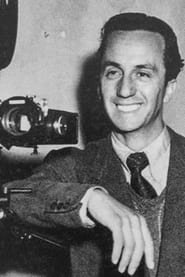
The film took the shadows of film noir into a real, ruined city. Robert Krasker's tilted angles, wide lenses and strong contrast turned wet streets and stairwells into menace, and he won the Academy Award for black-and-white cinematography. The tilts were no accident or gimmick; Reed and Krasker chose them to create unease. The ruins were not dressed up either. Much of Vienna was still damaged, so the rubble works as evidence, not decoration.
Then there is the sound. Carol Reed heard Anton Karas playing the zither in a Viennese wine tavern and brought him to London to record. That bright, repeating tune clashes with the grim images, and the irony is unforgettable. The film also dared to keep a bleaker ending. Producer David O. Selznick wanted a conventional romantic one, but Reed kept Graham Greene's, and the choice is widely seen as its greatest strength.
Before anyone tells you what to think: what did you make of it?
Log in to rate it and leave commentsIt takes one click with Google or an email link. You come straight back here.
Rate it, keep your notes, and find the next film.
Free, no ads. Your journal, your lists, a Cine Guide that remembers you.
Create your free spaceIts mix of moral ambiguity, location realism and ironic tone shaped the Cold War spy thriller, from le Carré adaptations to modern espionage films. Its tilted camera and single-instrument score were widely imitated. Harry Lime became shorthand for the charming, rotten rogue, and Orson Welles returned to him in a radio series in the early 1950s. Vienna now has a Third Man museum and tours of the film's locations.
It was a major success in Britain and abroad, winning the Grand Prix at Cannes in 1949 and earning three Oscar nominations, including Best Director. A few reviewers objected to its cynicism or its tilted camerawork, but audiences embraced it, and Karas's theme became a bestseller. Today it remains one of the most admired British films, often at or near the top of national polls, and its reputation has only deepened.
What happens
Holly helps Calloway trap Harry, chases him into the sewers, and shoots him. Harry, badly wounded, signals Holly to finish him. After the second funeral, Anna walks past Holly without a word.
The last image
Anna walks down the long cemetery road toward the camera and passes Holly without a glance, and the film ends there.
What it says
Holly chooses strangers over his friend, and it costs him Anna. The film refuses a romantic reward because conscience here is not repaid. The silence is its verdict: Holly was right, and nothing comforts him.
Or follow an idea from this film


Continue the director
Odd Man Out (1947)
Reed's earlier thriller, shot at night in Belfast, shows the same command of atmosphere and moral weight, and it was the film that made his reputation.
See what influenced it
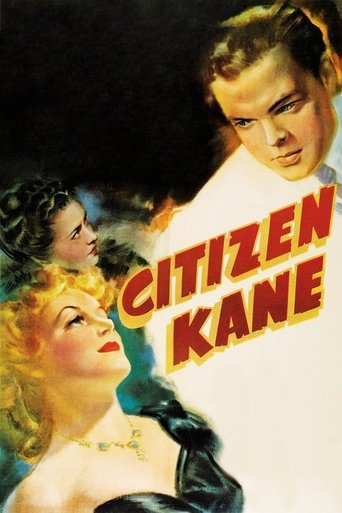
Citizen Kane (1941)
Welles's debut shows the deep shadow, striking angles and ambitious camerawork that helped shape the visual language Reed uses here.
Explore the era or movement
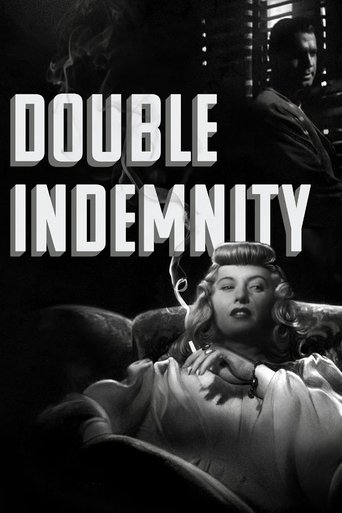
Double Indemnity (1944)
A classic of American film noir, it shows the cynical, shadow-filled crime style that The Third Man carries to a European setting.
Compare another approach
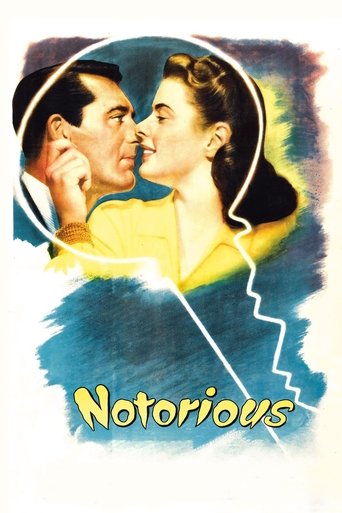
Notorious (1946)
Hitchcock's espionage thriller also weighs love against duty in the aftermath of war, with a very different, more romantic tone.
Jump forward
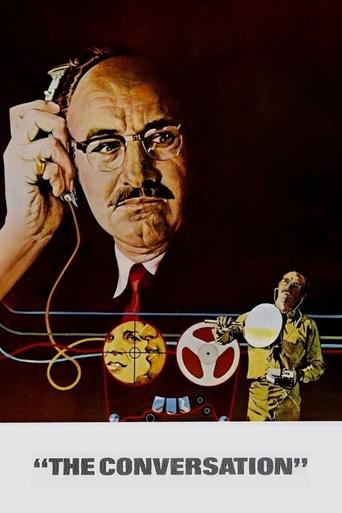
The Conversation (1974)
Coppola's surveillance drama continues the tradition of the compromised, morally uneasy thriller, in a post-Watergate American setting.