Western
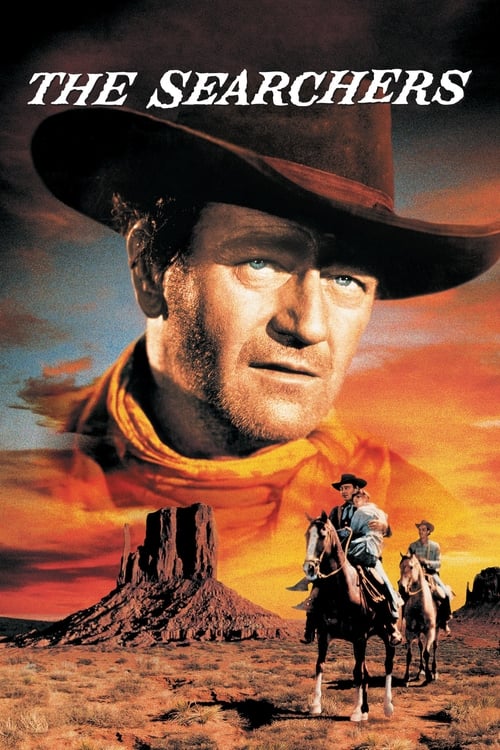
The Searchers
American
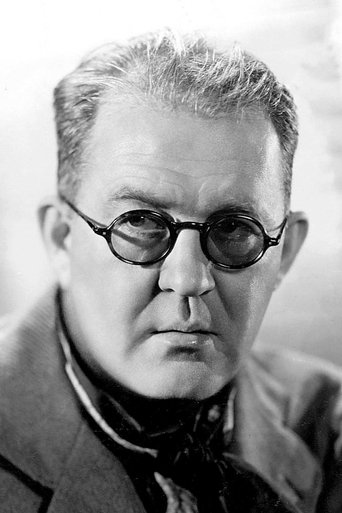
1956 · Directed by John Ford · 119 min


Western
American
1956 · Directed by John Ford · 119 min
Meaning, unpacked
Central idea
The film can be read as an examination of the Western hero's violence and loneliness: the qualities that make a man useful on the frontier also make him unfit for the home he claims to defend.
What it means
Ethan Edwards rides out to find Debbie, a girl taken captive by the Comanches, and Martin goes with him. The search takes years, and it ends with a door closing. That door is the key to the film. The frontier hero has a dark side: the same toughness that makes Ethan useful to settlers makes him unfit to live among them.
The film asks what hatred costs, and whom it serves. Ethan's love and his prejudice are tangled together, and his contempt for the Comanche is treated as a wound, not a virtue. At the start, a door opens on a darkened room and a rider approaches across the desert. At the end, Ford reverses it. Ethan carries Debbie to safety, the others go inside, and the door closes with him outside. The hero was necessary to the world he helped make, and then he is shut out of it.
Why it mattered
In 1956 this looked like another fine John Ford Western, and that is how many critics treated it. Audiences came in numbers and Wayne drew admiring notices, but few noticed how disturbing its central character was, and it earned no major Oscar attention.
But look at what Ford and Wayne were doing. Ford asked Wayne for a harder, more unsettling man than usual, and Wayne plays against his heroic image with stiff posture, clipped speech and flashes of cruelty. Ford shot in Technicolor and VistaVision, so the beauty of Monument Valley sits hard against the harshness of the story. Doorways and caves work as frames inside the frame, marking who belongs where. A genre built on celebrating the hero was quietly testing him.
Before anyone tells you what to think: what did you make of it?
Log in to rate it and leave commentsIt takes one click with Google or an email link. You come straight back here.
Rate it, keep your notes, and find the next film.
Free, no ads. Your journal, your lists, a Cine Guide that remembers you.
Create your free spaceIts standing grew from the 1960s onward, as critics and filmmakers read its ambiguity as depth. Ethan, the obsessive, damaged loner, shaped Taxi Driver. Scorsese, Spielberg, Lucas and Schrader have all acknowledged it, Star Wars recalls its burned homestead and doorway, and the closing doorway shot has been quoted many times. It also encouraged the revisionist Westerns that followed.
Today it regularly appears among the greatest films ever made. People still disagree about how far it criticises Ethan, and its period portrayal of Native Americans is a fair target for criticism. That debate is part of why it is now a central text on how Westerns handle race and violence.
What happens
Martin kills Scar and Ethan, instead of killing Debbie as he had planned, lifts her up and carries her home. The family takes her in, but Ethan stays outside the door, then turns and walks away.
The last image
The door closes on the family inside, leaving Ethan alone in the doorway before he turns and walks off into the open land.
What it says
The door mirrors the opening shot: the man who made the home safe cannot belong in it. Ford lets you admire Ethan's toughness, then shows its cost, so the hero's reward is exile, and his hatred is never excused.
Or follow an idea from this film

Continue the director
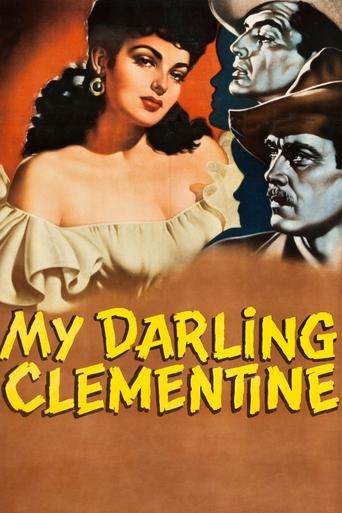
My Darling Clementine (1946)
Ford's gentler, more optimistic Western. Seeing it first makes the darker undertow of The Searchers clearer.
Compare another approach
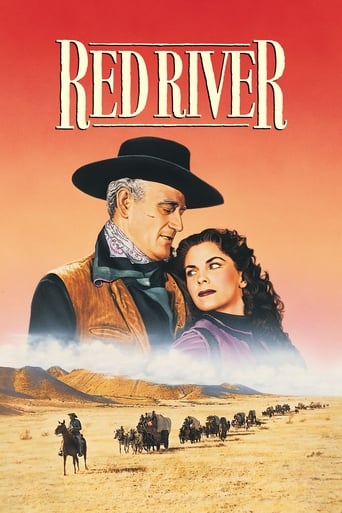
Red River (1948)
Another Western where a forceful, obsessive patriarch drives a long journey, and another study of Wayne playing a hard and flawed man.
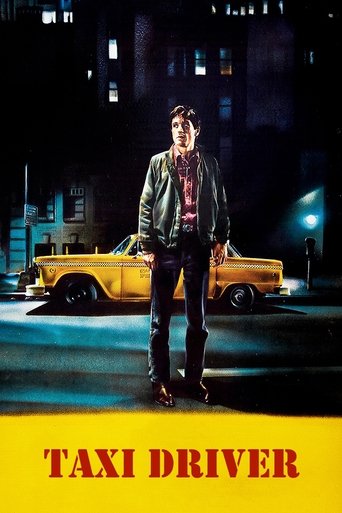
See its influence
Taxi Driver (1976)
Scorsese's New York drama borrows the premise of a troubled man whose rescue mission is tangled with his own violence.
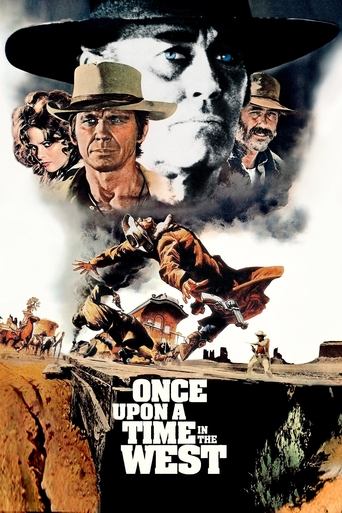
Follow the idea
Once Upon a Time in the West (1968)
Leone fills Ford's landscapes with myth and mourning and even uses Monument Valley, taking the Western into operatic territory.
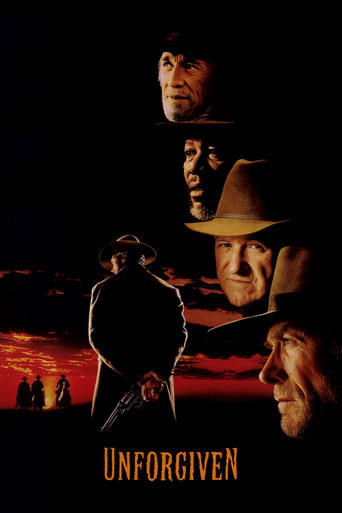
Jump forward
Unforgiven (1992)
A late Western that asks what the violent hero really costs, in the tradition this film opened up.