Drama
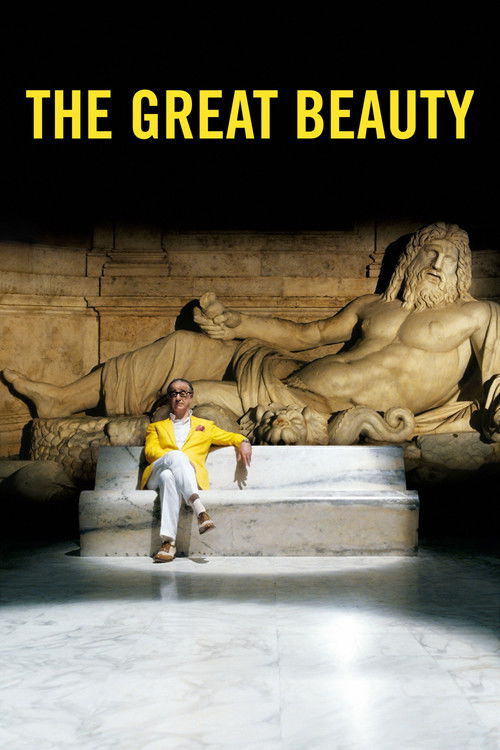
The Great Beauty
Italian (La grande bellezza)
2013 · Directed by Paolo Sorrentino · 142 min


Drama
Italian (La grande bellezza)
2013 · Directed by Paolo Sorrentino · 142 min





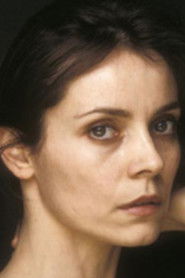
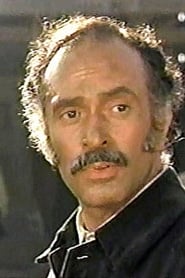



Meaning, unpacked
Central idea
The film is about the search for something real, "the great beauty", beneath a lifetime of social performance. It can be read as an elegy for a cultured Rome and for a man whose charm has been a way of avoiding feeling.
What it means
On his birthday, Jep Gambardella starts a reckoning. He thinks about lost youth, about the novel he never followed up, and about a first love he still carries. The film isn't really built on plot. It's built on a question: is there something real, "the great beauty", underneath a lifetime of social performance, or can you only reach it once the noise falls away?
Almost everyone here is playing a part: artist, intellectual, socialite. The film keeps asking who is honest, and what honesty costs. You see the price when Jep strips away Stefania's moral posturing. It's thrilling, and it's cruel. It shows the self-knowledge inside his cynicism, and the cruelty under his charm. Rome's ruins make the present look temporary, and the city will absorb these frivolous partygoers as it absorbed every earlier age. By the end, satire gives way to tenderness: beauty, the film suggests, belongs to memory and the past.
Why it mattered
Sorrentino's film brought Italian cinema back to world attention. It revived the grand Fellini tradition of the decadent, searching urban portrait for a new century and a new audience. It talks openly with La Dolce Vita, and echoes it in its short episodes and recurring characters. But it isn't a copy. It has its own protagonist, structure and tone, and it is more elegiac and more openly spiritual.
It also showed how a film can be organised by feeling instead of story. Club tracks, sacred choral music and minimalist composition sit side by side. Luca Bigazzi's crane and tracking shots glide across dance floors, fountains and ruins, giving even trivial scenes a painterly weight. The production filmed in places normally closed to the public, including aristocratic palazzi, and you can feel that access.
Before anyone tells you what to think: what did you make of it?
Log in to rate it and leave commentsIt takes one click with Google or an email link. You come straight back here.
Rate it, keep your notes, and find the next film.
Free, no ads. Your journal, your lists, a Cine Guide that remembers you.
Create your free spaceAt Cannes in 2013 the film divided critics. Some praised its visual splendour. Others found it shallow, overlong or self-indulgent, and it left without a prize. Then it won wide international acclaim, the Golden Globe, and the Oscar for Best Foreign Language Film. It helped re-establish Sorrentino as a major international director, leading to Youth, The Young Pope and The New Pope, and its mix of satire, baroque imagery and melancholy shaped later European films about decadent elites.
Its title became shorthand, in Italy and abroad, for Rome's faded grandeur, and Jep is often invoked in talk of ageing, nostalgia and the Berlusconi-era elite. Today it's seen as Sorrentino's signature film and one of the key European art films of the 2010s. The argument over whether it's profound or merely beautiful hasn't ended. Perhaps that suits a film about whether beauty can ever be more than a surface.
What happens
After Ramona's death and a brief meeting with the saint, Jep finally answers why he never wrote a second novel: he was looking for the great beauty and never found it. He turns back to his first love and thinks of writing again.
The last image
We see Jep as a young man on the shore, drawn to his first love, as he prepares to begin again.
Two readings
What it says
The film suggests beauty belongs to memory, not to the party. Satire gives way to tenderness because Jep's charm was a way of avoiding feeling, and only by seeing past the noise can he begin to feel and write again.
Or follow an idea from this film
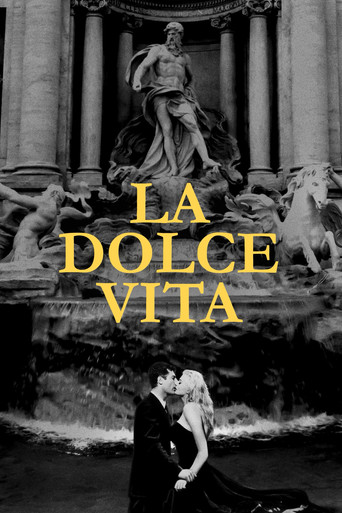

See what influenced it
La Dolce Vita (1960)
Watch Fellini's original portrait of Rome's high society to see what Sorrentino borrows, transforms and answers.
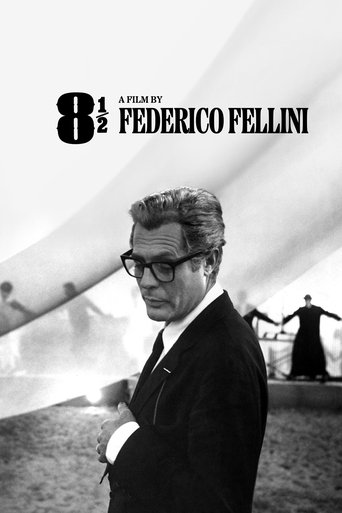
Compare another approach
8½ (1963)
Fellini's film about a blocked artist and his memories pairs naturally with Jep's long-silent writer and his search for meaning.
Follow the idea
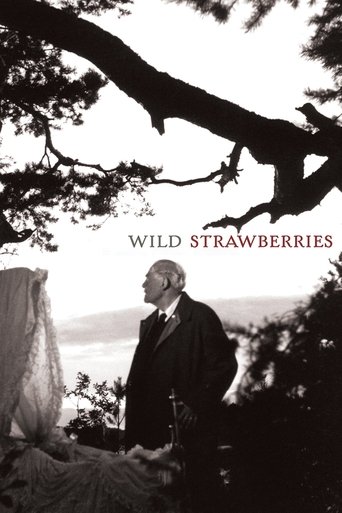
Wild Strawberries (1957)
Bergman's elderly man reviews his life through memory and regret, a quieter treatment of the same late-life reckoning.
Explore the era or movement
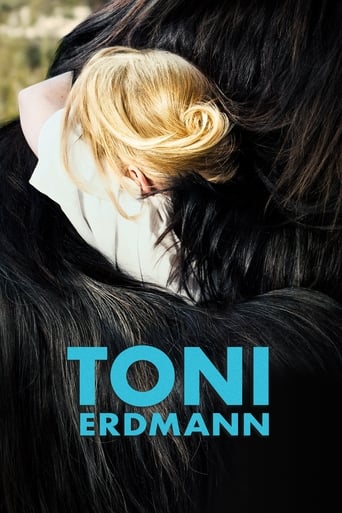
Toni Erdmann (2016)
Another recent European art film using comedy and awkwardness to examine hollow professional life and the need for sincerity.
Follow the idea
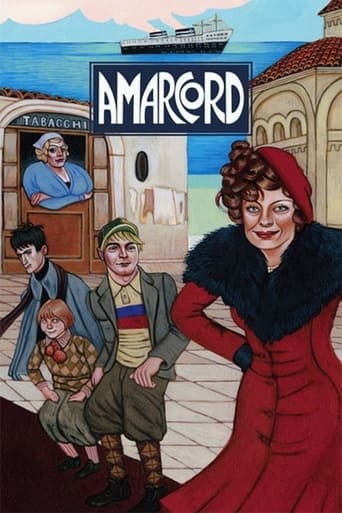
Amarcord (1973)
Fellini's nostalgic memory film shows the more personal, comic and elegiac side of the tradition Sorrentino draws on.