Western
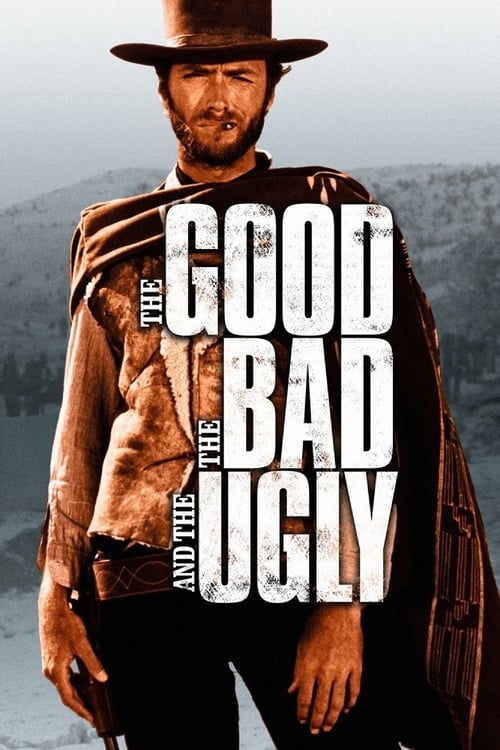
The Good, the Bad and the Ugly
Italian (Il buono, il brutto, il cattivo)
1966 · Directed by Sergio Leone · 161 min


Western
Italian (Il buono, il brutto, il cattivo)
1966 · Directed by Sergio Leone · 161 min


Meaning, unpacked
Central idea
The film can be read as a comic, bitter study of greed set against war: three opportunists chase money while thousands die around them for causes none of them care about. The duel structure turns that cynicism into spectacle.
What it means
On the surface, three men chase buried gold through the American Civil War and end up in a vast cemetery, guns drawn, waiting for someone to move first. But the plot is not really the point. The film is a bitter comedy about greed. Three morally compromised men pursue money while a far larger, senseless slaughter goes on around them. The war is no noble cause, just a machine of waste, and the principals care only about the gold.
The title promises a sorting of the good, the bad and the ugly, but each man is a mix of all three. Blondie and Tuco depend on each other and can never trust each other, and that partnership is the film's emotional centre. Then, in a quiet moment with a dying captain, Blondie shows a flicker of humanity, and the tone turns from comedy to something graver. Leone also strips the Western of its nobility, leaving ritual and survival. By the end, the gold is only dirt in a grave.
Why it mattered
Hollywood Westerns usually offered clear heroes and open-air nobility. Here every figure is compromised, and a vast war looms over small, greedy schemes. Leone took the genre's familiar furniture, the duel, the stranger, the desert, and made it feel stylised, ironic and distinctly European. It was the third and largest of his Dollars films, and it made Clint Eastwood an international star.
It also changed how a film could be built. Huge landscapes cut to extreme close-ups of eyes and hands, and the tension grows in the gap. Because sound was added afterwards, as was usual in Italian cinema, Leone could think in terms of image and rhythm. Ennio Morricone's music was not background but part of the editing, and long scenes seem shaped around it. Shot mostly in Spain, the film gave the West a harsh, dusty, tactile look quite unlike studio Westerns.
Before anyone tells you what to think: what did you make of it?
Log in to rate it and leave commentsIt takes one click with Google or an email link. You come straight back here.
Rate it, keep your notes, and find the next film.
Free, no ads. Your journal, your lists, a Cine Guide that remembers you.
Create your free spaceReviews on release were mixed. It drew large audiences in Italy and did well in the United States in 1967, but many American critics found it too violent, too long and too cynical, and saw a slick imitation of the Western rather than a serious work. That judgement did not last. Its stretched duels, extreme close-ups and music-led scenes shaped later filmmakers, from Sam Peckinpah to Quentin Tarantino, and the three-way standoff became a much-copied set piece in action films and parody.
The film's reputation has risen steadily, and it is now seen as one of the great Westerns. Morricone's coyote-like two-note call is known worldwide, and it serves as shorthand in advertising, sport and comedy for a showdown. Its opening, its score and its final standoff are among the most quoted passages in cinema.
What happens
At Sad Hill cemetery, Blondie reveals the gold is buried in a different grave from the one Tuco found. He kills Angel Eyes in the three-way standoff, then leaves Tuco a share of the gold, with a noose around his neck, and rides away.
The last image
Blondie rides away from the cemetery, leaving Tuco behind, still bound and balanced on a cross, as the gold lies open in the grave.
What it says
The ending resolves the plot with a joke and a twist. The gold is only dirt in a grave, and the film ends on the odd partnership between Blondie and Tuco, which was always its real centre.
Or follow an idea from this film

Continue the director
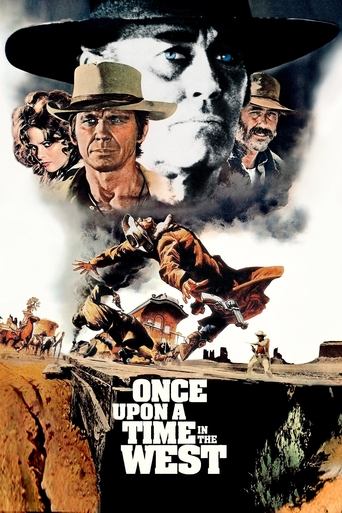
Once Upon a Time in the West (1968)
Leone's next Western is slower, grander and more elegiac, and shows how far his style could expand beyond this film's comedy.
See what influenced it
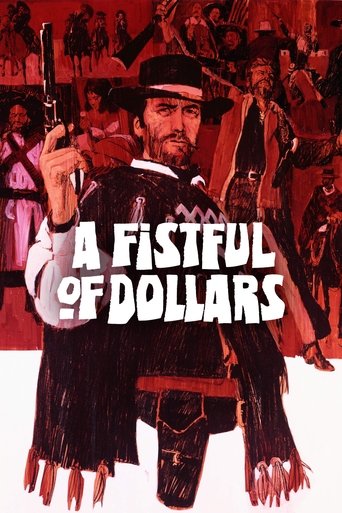
A Fistful of Dollars (1964)
The first Dollars film shows the style in its leaner, rougher form, with Eastwood establishing the loner who defines the series.
See what influenced it
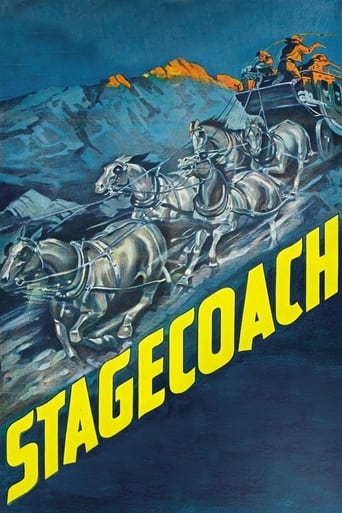
Stagecoach (1939)
John Ford's classic shows the Hollywood Western that Leone inherited and reversed, with its heroic landscapes and moral clarity.
Compare another approach
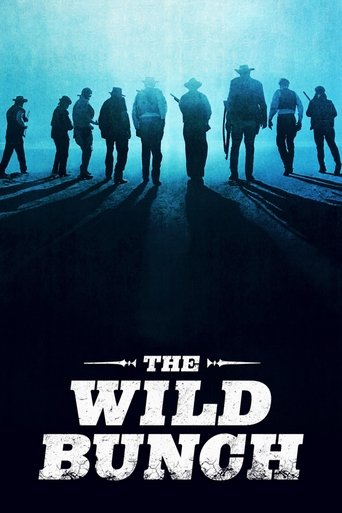
The Wild Bunch (1969)
Another revisionist Western about doomed, morally compromised men, with a far more violent and tragic view of the genre.
Jump forward
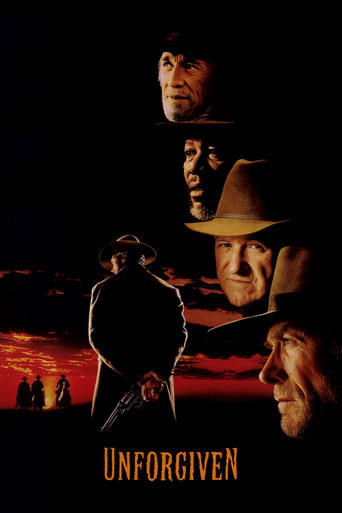
Unforgiven (1992)
Eastwood himself questions the Western hero, using the genre's myths to ask what violence really costs.