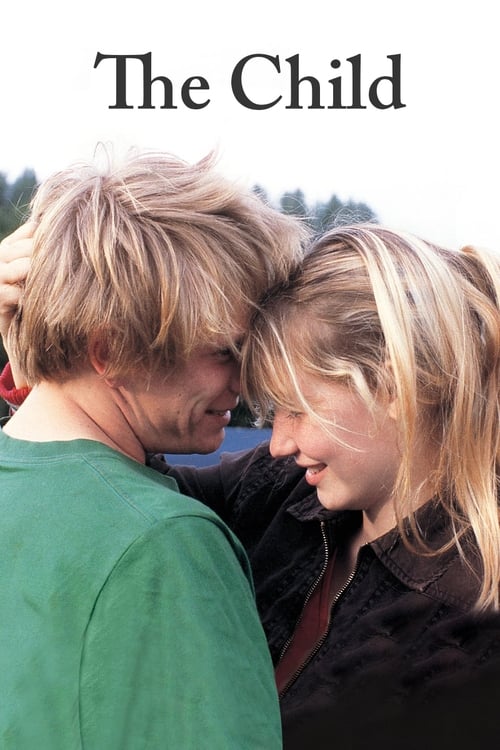
Drama
The Child
Belgian (L'enfant)
2005 · Directed by Luc Dardenne & Jean-Pierre Dardenne · 96 min


Drama
Belgian (L'enfant)
2005 · Directed by Luc Dardenne & Jean-Pierre Dardenne · 96 min









Meaning, unpacked
Central idea
The film explores whether a person who has only ever lived for the present moment can come to understand responsibility. It can be read as a story of moral awakening, told without explanation and with no promise of redemption.
What it means
Bruno is a petty thief who sells his newborn son, and then, slowly, has to face what he has done. But the film's real question is bigger than the plot. Can a person who has only ever lived for the present moment come to understand responsibility? Bruno treats everything as something to use or trade, his partner Sonia and their baby included. The Dardennes offer no explanation for him, no childhood trauma, no speech. You can read the film as a moral awakening, but it promises no redemption.
Money runs through almost every relationship, and the film keeps asking what falls outside what can be bought and sold. Poverty is part of the picture, but it is never an alibi: hardship shapes Bruno's choices, yet he is still held accountable. The sale of the baby is shown plainly, with no music and no judgement. The weight comes from how little Bruno seems to grasp. Then Sonia's collapse breaks real feeling into his world of bargains, and at the river his responsibility moves from words into action.
Why it mattered
The Dardennes made moral drama from very little. The handheld camera stays tight on the characters, often behind them, so you share their uncertain, reactive point of view instead of getting an overview. There is no score at all. Tension comes from everyday sound and silence, and when emotion finally rises, it does so without a single musical cue. The story moves in short scenes over a few days, each choice bringing an immediate consequence, so it has the drive of a thriller.
Before anyone tells you what to think: what did you make of it?
Log in to rate it and leave commentsIt takes one click with Google or an email link. You come straight back here.
Rate it, keep your notes, and find the next film.
Free, no ads. Your journal, your lists, a Cine Guide that remembers you.
Create your free spaceIt was shot in and around Seraing, an industrial Belgian town where real streets, bridges and riverbanks ground the story in an ordinary, specific place. The film won the Palme d'Or at Cannes, the Dardennes' second after Rosetta, which places them among the very few directors to win the prize twice. It is one of the clearest statements of their stripped-down, moral realism, and it shows how minimal means can carry serious drama.
The film helped confirm a model of festival cinema built on handheld realism, ethical dilemmas and storytelling that doesn't explain itself. You can see that in later social dramas about young people on society's margins. It also helped fix an image of working-class Wallonia, and it is often cited, along with Rosetta, when European social realism comes up. Teachers use it in film, ethics and religious-studies courses to discuss responsibility, guilt and forgiveness, and the brothers' work is often discussed alongside the philosopher Emmanuel Levinas.
Critics praised its restraint and moral seriousness. Some viewers found the music-free style austere, but most saw it as a refinement of the brothers' approach. Today it is regarded as one of their defining works and a high point of twenty-first-century European realism. Its closing prison visit, two people in a room, is often cited as proof that tiny gestures can carry great emotional weight.
What happens
Bruno gives himself up to protect Steve and is sent to prison. Sonia visits him there, and in the visiting room Bruno breaks down in tears. It is the first time he seems to feel what he has done.
The last image
Bruno, in the prison visiting room across from Sonia, weeping, and the film stops there with no further explanation.
What it says
The film won't forgive Bruno or condemn him. It trusts one small gesture, his tears, to carry the weight, because it never promised redemption, only a man beginning to understand that others depend on him.
Or follow an idea from this film

Continue the director
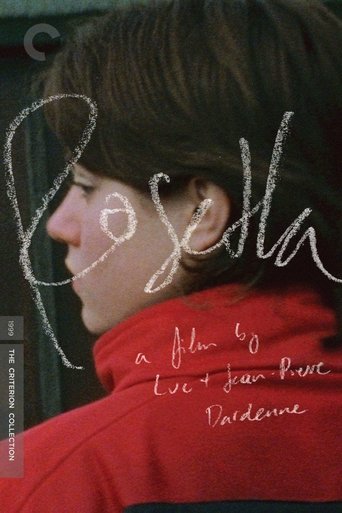
Rosetta (1999)
The Dardennes' first Palme d'Or winner. It shares the pursuing camera and the unsentimental focus on a young person on the edge.
See what influenced it
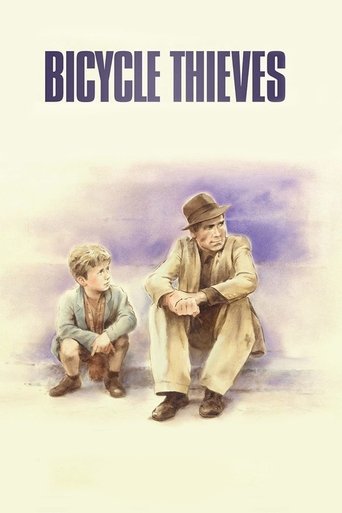
Bicycle Thieves (1948)
The neorealist classic behind this tradition: an ordinary man, a desperate choice and real streets as the setting.

Follow the idea
The 400 Blows (1959)
Another film that follows a restless young person who drifts into wrongdoing, with equal refusal to simply judge him.
Compare another approach
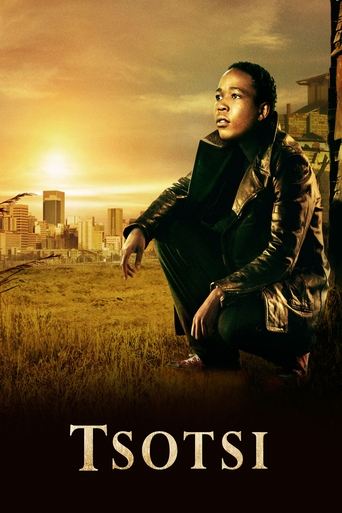
Tsotsi (2005)
Released the same year, it also centres on a young criminal who comes face to face with a baby, offering a more overtly redemptive treatment.
Jump forward
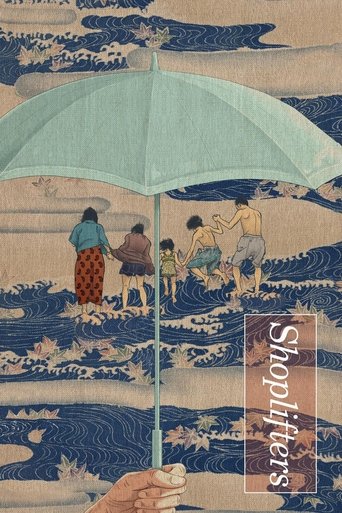
Shoplifters (2018)
A modern, humane look at petty crime, family and what people owe to children, in a very different national setting.