Drama · History · War
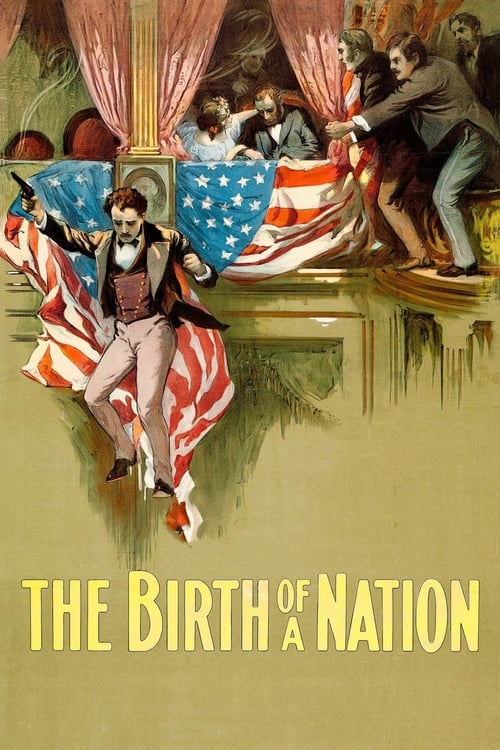
The Birth of a Nation
American
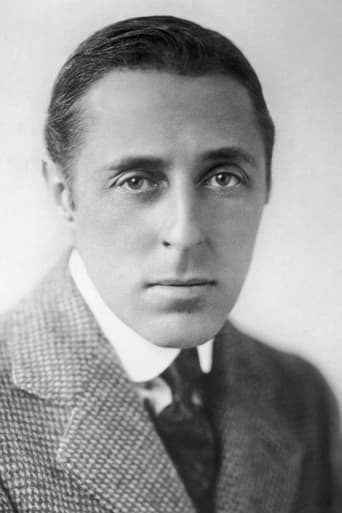
1915 · Directed by D.W. Griffith · 195 min


Drama · History · War
American
1915 · Directed by D.W. Griffith · 195 min



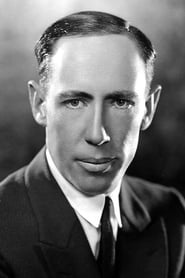
Meaning, unpacked
Central idea
The film presents American history as a family melodrama in which national reunion is bought by white solidarity and the exclusion and terrorising of Black Americans. It can be read as propaganda dressed as history, and its power comes from Griffith's skill at making personal drama carry political argument.
What it means
You have just watched one of the most important films ever made, and one of the most troubling. Griffith tells American history as a family melodrama. Two families, one Northern and one Southern, stand in for the nation, and when they reunite through friendship and marriage, so does the country. But the price of that reunion is white solidarity, and the exclusion and terrorising of Black Americans. That is why the film is best read as propaganda dressed as history.
Notice how it dresses itself up as record, with title cards and historical quotations that sound like a lecture. Its account of Reconstruction follows the Lost Cause myth and distorts the period. Black characters appear as threats or buffoons, mostly played by white actors in blackface, and white femininity is treated as the thing men must defend, an idea used to justify violence. The war scenes, by contrast, turn a vast conflict into personal loss, and they are the film's most moving and least objectionable passages.
Why it mattered
Griffith refined crosscutting, parallel action and accelerating rhythm into a coherent way of telling a story. Flora's flight through the woods is an early model of editing as suspense, and the last-minute ride to the rescue became a staple of action cinema. At Petersburg, huge panoramic views give way to close-ups of single soldiers, so a vast war becomes readable and personal.
Before anyone tells you what to think: what did you make of it?
Log in to rate it and leave commentsIt takes one click with Google or an email link. You come straight back here.
Rate it, keep your notes, and find the next film.
Free, no ads. Your journal, your lists, a Cine Guide that remembers you.
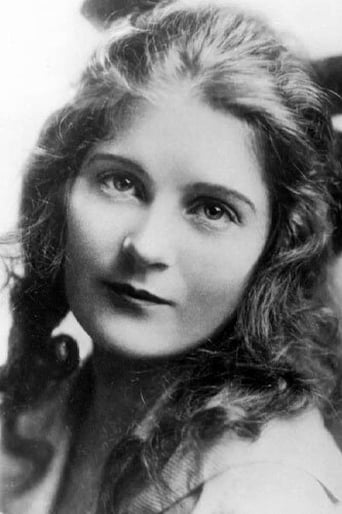
Create your free spaceIt was not the first feature, since Italian epics like Cabiria came earlier, and Griffith did not invent crosscutting or the close-up. His achievement was combining them into a sustained, forceful method. Its scale called for a new kind of release, with reserved seats, higher prices and orchestras. Lillian Gish and Mae Marsh brought a naturalism that influenced screen acting.
Its editing, long-form storytelling and spectacle shaped Hollywood and Soviet filmmakers alike, and it became a template for the blockbuster. It also helped spark Black-led counter-cinema, such as Oscar Micheaux's Within Our Gates, and fed the revival of the Ku Klux Klan later in 1915. Its robed riders and burning cross, largely drawn from Thomas Dixon's fiction, became lasting Klan imagery.
It was a huge commercial success, but the NAACP, Black newspapers and some white reformers condemned it, and protests and riots followed. Today its technical importance is acknowledged, yet it is taught mainly as a case study in how cinema can spread racist myth. The Directors Guild dropped Griffith's name from its top award in 1999, and Spike Lee's BlacKkKlansman uses the film to expose its legacy. The hardest lesson is that craft and cruelty are not separate: the editing that thrills you makes the hatred persuasive.
What happens
The Klan rides in and rescues Elsie and the Camerons. Stoneman repents, and Black voters are turned away at the polls. The film closes on a double wedding and a vision of peace, bought with white unity and the silencing of Black Americans.
The last image
A vision of peace under the banner of white unity, set beside the double wedding that joins the Stoneman and Cameron families.
What it says
The ending is not ambiguous, and it is not neutral. Griffith makes the marriage of two families stand for the nation made whole, then shows that reunion resting on white solidarity and the exclusion of Black Americans. That is propaganda dressed as history.
Or follow an idea from this film
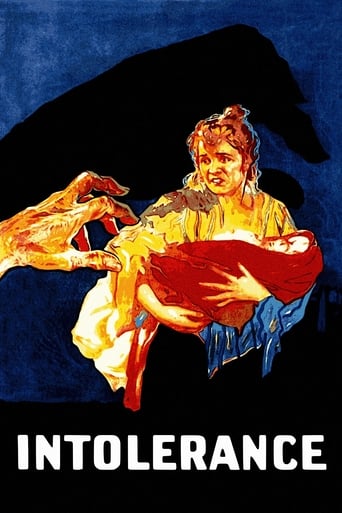

Continue the director
Intolerance (1916)
Griffith's even more ambitious epic shows the same editing methods pushed to extremes. It is a useful way to see his technique in a different moral framework.
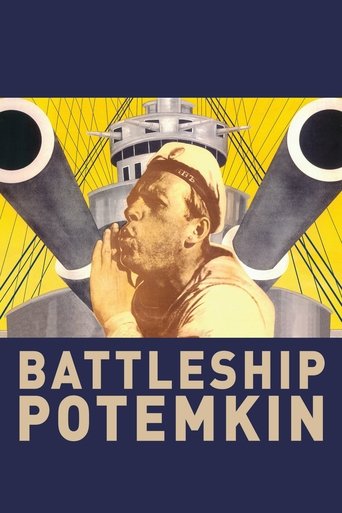
See its influence
Battleship Potemkin (1925)
Eisenstein learned from Griffith's crosscutting and built a new, more aggressively political editing language, showing how one technique can drive very different messages.
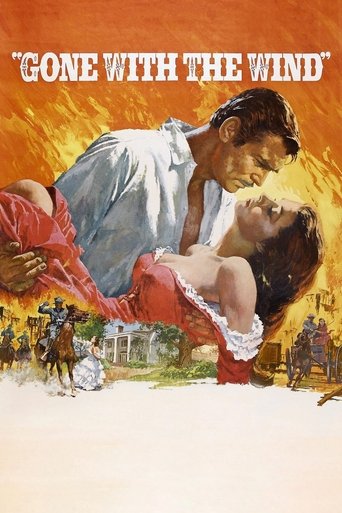
Follow the idea
Gone with the Wind (1939)
Another grand Hollywood epic of the South that carries forward the romantic myth of the old order. It shows how the film's view of history lingered.
Compare another approach
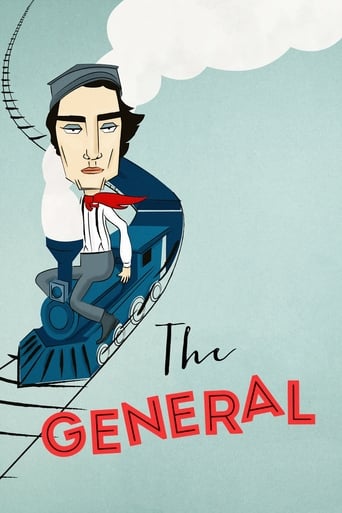
The General (1926)
A Civil War silent comedy that handles the war's spectacle with brilliant technique but a very different tone, which makes the two a revealing contrast in how silent film treats the same history.
Jump forward
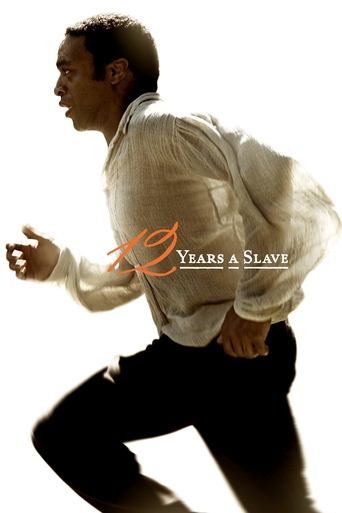
12 Years a Slave (2013)
A modern film that tells the story of slavery from the perspective of the enslaved, a clear counterweight to the vision Griffith presents.