Drama
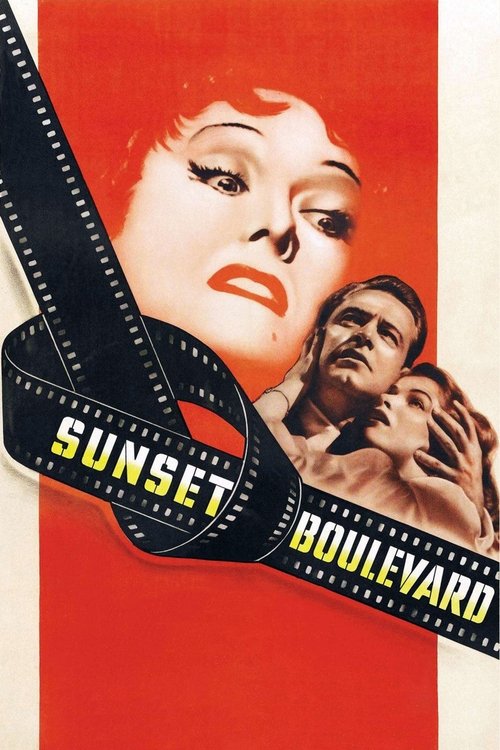
Sunset Boulevard
American
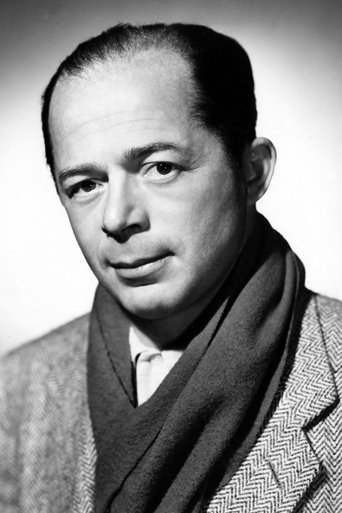
1950 · Directed by Billy Wilder · 110 min


Drama
American
1950 · Directed by Billy Wilder · 110 min
Meaning, unpacked
Central idea
The film is about illusion as a way of life: Hollywood sells fantasies, and people can be trapped inside the ones it made for them. It can be read as a portrait of fame turning into a prison, and of a town that discards what it once adored.
What it means
Sunset Boulevard is about illusion as a way of life. Hollywood sells fantasies, and the film asks what happens to people trapped inside the ones it made for them. A dead man floats in a swimming pool and tells you how he got there. Joe, a struggling writer, drifts into a crumbling mansion and into the life of Norma Desmond, a forgotten silent star. His comfortable arrangement turns into a trap, and it ends with Norma on the staircase, ready for her close-up.
Norma's world stopped when sound arrived. Her whole identity depended on a medium and an audience that moved on, so fame becomes a prison, and the town that once adored her has simply discarded her. Joe tells himself the deal is temporary and practical, but comfort and need slowly wear away his sense of choice. Almost everyone plays a role, and the film keeps asking where performance ends. Even Max, her devoted servant, is more than he seems: his loyalty can be read as love, guilt and complicity all at once.
Why it mattered
Made inside the studio system by Paramount, the film turned the industry's own glamour and cruelty into bitter satire. Few films of the era looked so directly at fame, age and obsolescence, and it did so just as the silent era was being forgotten. It is a late peak of film noir and a defining film of the Hollywood-on-Hollywood tradition.
Its big structural idea was the narration. Joe is sardonic and self-aware, and he guides your sympathy, but what he says and what you see often pull apart, and that gap is where the irony lives. Because the story begins at the end, the early comedy is reframed as dread. The script, by Billy Wilder, Charles Brackett and D. M. Marshman, is funny and chilling at once, and it is among the most quoted in American film.
Before anyone tells you what to think: what did you make of it?
Log in to rate it and leave commentsIt takes one click with Google or an email link. You come straight back here.
Rate it, keep your notes, and find the next film.
Free, no ads. Your journal, your lists, a Cine Guide that remembers you.
Create your free spaceIt set the template for the dark Hollywood satire and the faded-star gothic, shaping films from Whatever Happened to Baby Jane? to The Player and Mulholland Drive. Its retrospective narration, and its use of Hollywood history as material, also influenced later noir and meta-cinema. Norma's name is now shorthand for any faded star clinging to past glory, and lines like "I am big. It's the pictures that got small" are still quoted. Andrew Lloyd Webber's musical reached London in 1993 and Broadway in 1994, and Glenn Close won a Tony Award as Norma.
At the time, critics and audiences praised it, especially Gloria Swanson and the script, though some in the industry disliked its unflattering portrait. It earned eleven Academy Award nominations and won three, for writing, art direction and music score. Its reputation has only grown. Once seen as a sharp but cynical noir, it is now regarded as one of the greatest films about Hollywood, a standard reference for portraits of fame and decline.
What happens
Joe tries to leave, and Norma shoots him; he falls into the pool where the film began. When the police arrive, Norma believes the cameras are filming her comeback, and Max stages it for her. She descends the staircase for her close-up.
The last line
All right, Mr. DeMille, I'm ready for my close-up.
What it says
The ending turns a murder into a performance. Norma has lived inside illusion so long that she cannot tell the difference, and Max feeds it. The film ends here to show fantasy swallowing a person whole, with Hollywood watching.
Or follow an idea from this film
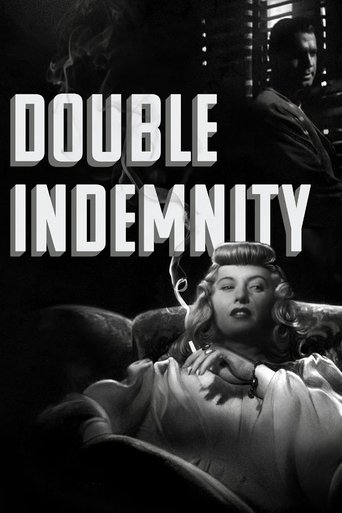

See what influenced it
Double Indemnity (1944)
Wilder's earlier noir shows the voice-over, flashback form and moral cynicism that Sunset Boulevard turns toward Hollywood itself.
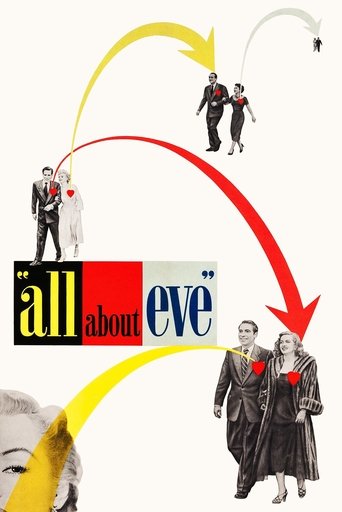
Compare another approach
All About Eve (1950)
Released the same year, it is another sharp, wordy study of fame and ambition in show business, offering a different tone and view.
Continue the director
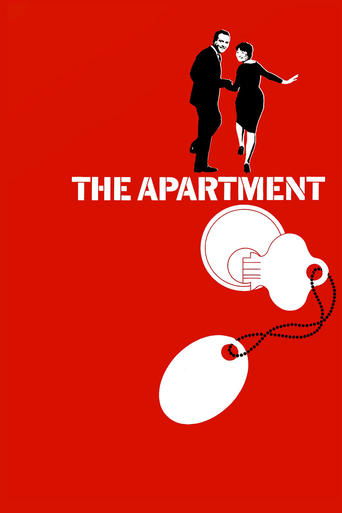
The Apartment (1960)
Wilder again mixes comedy and bitterness, now in an office setting, showing how he handled compromise and loneliness in a modern world.
Follow the idea
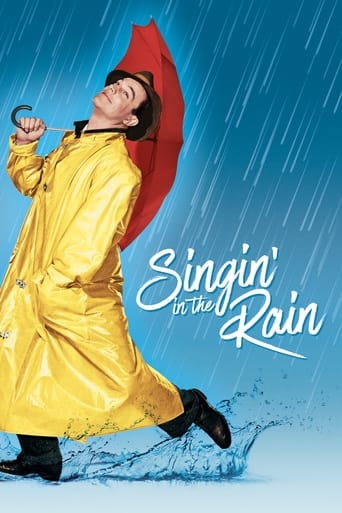
Singin' in the Rain (1952)
It tells the silent-to-sound transition from the opposite angle: a musical comedy that celebrates what Sunset Boulevard mourns.
Jump forward
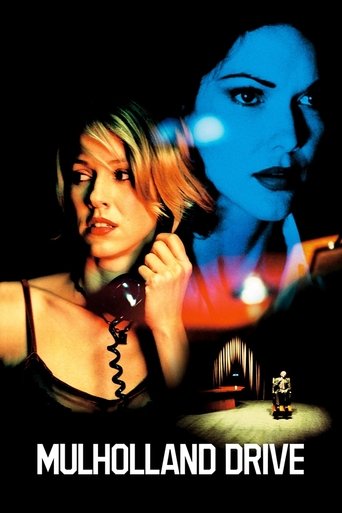
Mulholland Drive (2001)
A strange, dreamlike descendant that treats Hollywood as a machine for fantasies, and shows how far the idea could be pushed.