Comedy · Romance · Crime
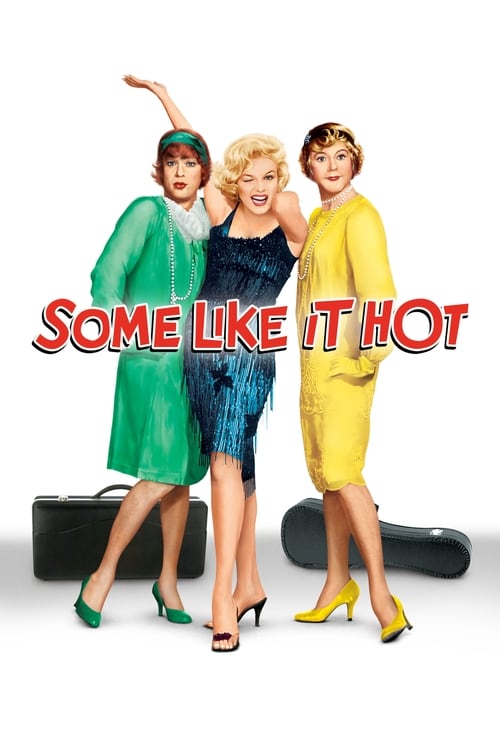
Some Like It Hot
American
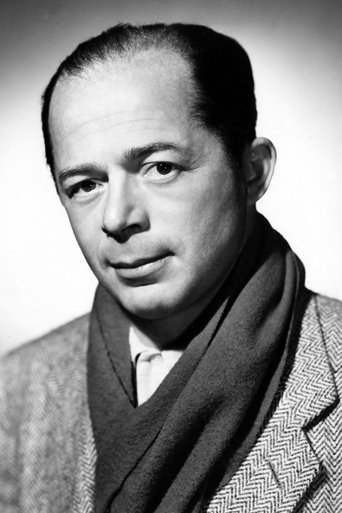
1959 · Directed by Billy Wilder · 123 min


Comedy · Romance · Crime
American
1959 · Directed by Billy Wilder · 123 min
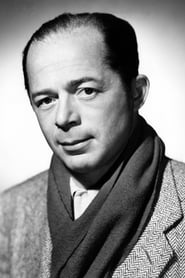
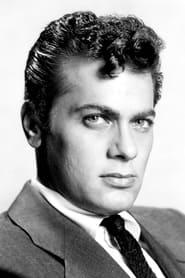
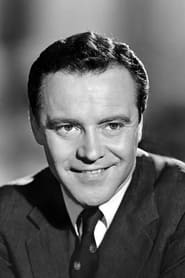
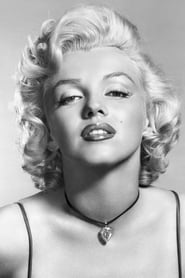


Meaning, unpacked
Central idea
The film can be read as a comedy about performance: identity is something put on with a wig, an accent or a bank account, and desire keeps exposing what people are actually like underneath.
What it means
Two broke musicians witness a massacre, put on dresses and join an all-female band heading south. That is all the plot you need. What matters is what Billy Wilder does with it.
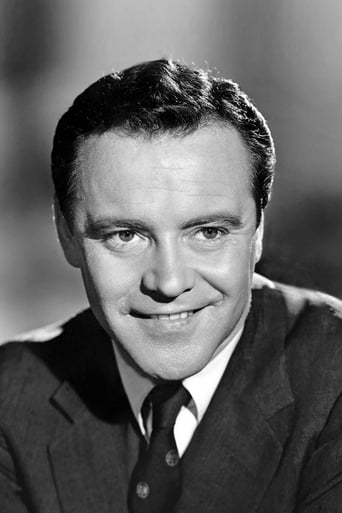
This is a comedy about performance. Identity is something you put on, with a wig, an accent, a made-up bank account, and desire keeps showing what people are really like underneath. Jack Lemmon's Daphne is enjoying herself, and that tells you as much as Joe's discomfort in the same disguise. Both men learn who they are by pretending to be someone else. Money and violence sit underneath: these people are broke, and the garage massacre gives the disguises real urgency. They are about survival, not just jokes. The last line, "Well, nobody's perfect," is not a verdict but a shrug, and a kind one.
Why it mattered
In 1959 it was a major hit, widely praised for its pace, script and performances. Wilder and I.A.L. Diamond built a tightly plotted comedy, planting props, names and habits early and paying them off later. Wilder keeps the shots simple and lets timing carry the jokes. He shot in black and white, a break from the colour trend of the 1950s, partly because colour tests made the leads' makeup look green.
It also tested the limits of the Production Code. Some moral groups and censors objected to the innuendo and the cross-dressing, and it opened without the Code seal, yet audiences came anyway. It was a sign the old censorship system was losing its grip, and it showed a classic studio genre becoming franker, faster and more self-aware.
Before anyone tells you what to think: what did you make of it?
Log in to rate it and leave commentsIt takes one click with Google or an email link. You come straight back here.
Rate it, keep your notes, and find the next film.
Free, no ads. Your journal, your lists, a Cine Guide that remembers you.
Create your free spaceIts success helped weaken the Code and opened the way for franker mainstream comedies in the 1960s. It also became the template for the cross-dressing comedy, from Tootsie to Mrs. Doubtfire. It was reborn on stage as the Broadway musical Sugar in 1972, and again as the stage musical Some Like It Hot in 2022, which reworks the story with contemporary views of gender and race.
Its reputation has only grown. It is routinely named among the greatest film comedies, and its screenplay is studied as a model of construction. Marilyn Monroe's performance is valued more highly than in her lifetime, and Sugar Kane, with her ukulele and breathy "I Wanna Be Loved by You," is among the images most tied to her stardom. Many viewers now read the film as an early, affectionate, coded comedy of gender fluidity.
What happens
Joe drops his disguise and Sugar runs to him, and the three flee in Osgood's motorboat, Jerry still in drag. When Jerry finally says he's a man, Osgood simply shrugs it off. Nobody has to be what they pretended.
The last line
"Well, nobody's perfect."
What it says
After all the wigs and lies, the film ends with a shrug, not a verdict. Wilder lets desire and kindness win over rules about who people ought to be. The joke is also a generous refusal to judge.
Or follow an idea from this film

Continue the director
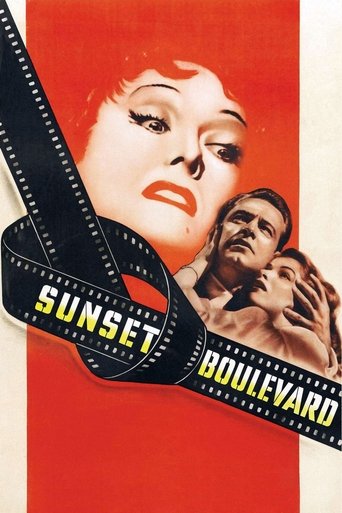
Sunset Boulevard (1950)
Wilder's darker side. The same sharp dialogue and cynicism about show business appear in a noir story with Hollywood as its subject.
Follow the idea
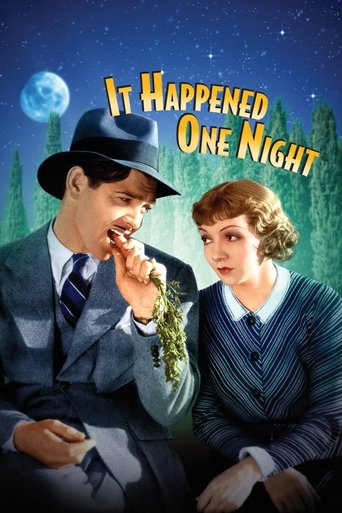
It Happened One Night (1934)
The screwball romance that set the template for fast talk, mismatched leads and a relationship tested by travel.
Continue the director
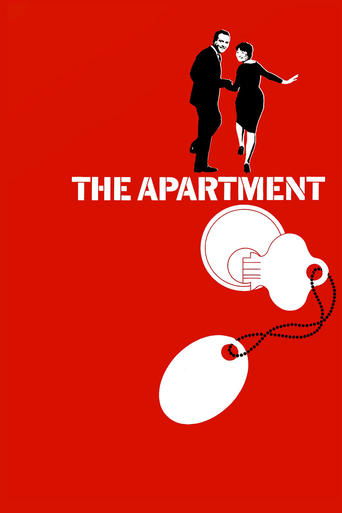
The Apartment (1960)
Wilder and Diamond reunite with Jack Lemmon for a comedy-drama that is more bittersweet, and that also won Best Picture.
Explore the era or movement
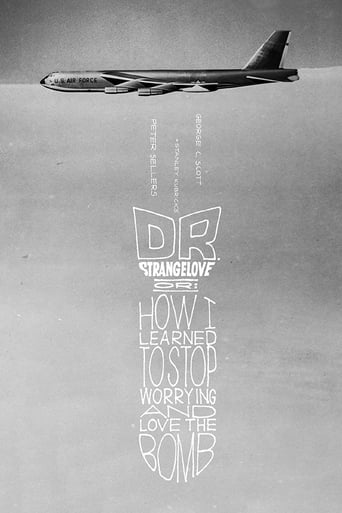
Dr. Strangelove (1964)
A different kind of comedy, in which satire replaces farce and the nuclear age becomes the target. It shows how the form darkened in the 1960s.
See what influenced it
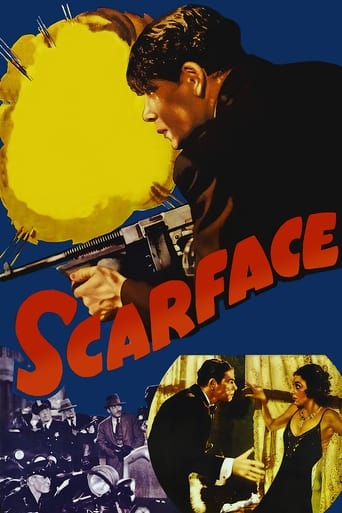
Scarface (1932)
The gangster picture whose coin-flipping George Raft the film spoofs, and a good way to see what the parody is parodying.