Drama · Romance · Crime
Rocco and His Brothers
Italian (Rocco e i suoi fratelli)
1960 · Directed by Luchino Visconti · 178 min


Drama · Romance · Crime
Italian (Rocco e i suoi fratelli)
1960 · Directed by Luchino Visconti · 178 min




Meaning, unpacked
Central idea
The film can be read as a study of what happens when a close-knit rural family is thrown into a modern industrial city: loyalty, tradition and love are tested by money, desire and a world that rewards different qualities in each brother.
What it means
A widowed mother and her sons leave the south for Milan. The city offers work and money, and slowly pulls the family apart. Luchino Visconti's central question is simple and hard: what happens to a close-knit rural family when it is thrown into a modern industrial city? Loyalty, tradition and love are tested by money and desire, and the city rewards a different quality in each brother. That is why the film is split into titled chapters, one brother each, like a family novel.
The heart of it is goodness against survival. Rocco's gentleness and Simone's violence are opposite answers to a harsh world, and the film seems to ask whether either can hold. Three scenes carry this: the quiet tenderness of Rocco and Nadia on the cathedral roof, Simone's violence against Nadia, which shatters the family, and the finale, where Rocco's triumph in the ring is cut against private catastrophe. Success and ruin become parts of one machine. Around it sit migration, family loyalty that turns into pressure, and bodies turned into income by factory work and boxing.
Why it mattered
In 1960 this was a late, ambitious film in the Neorealist line, reaching for the scale of a nineteenth-century novel. Visconti, who helped start Italian Neorealism, took its real locations and social concerns and stretched them into a three-hour family epic. It also borrowed from Dostoevsky and Thomas Mann, and drew on Giovanni Testori's stories about Milan's southern immigrants.
Before anyone tells you what to think: what did you make of it?
Log in to rate it and leave commentsIt takes one click with Google or an email link. You come straight back here.
Rate it, keep your notes, and find the next film.
Free, no ads. Your journal, your lists, a Cine Guide that remembers you.
Create your free spaceIt is not a pure Neorealist film, and that is part of the point. It has star actors, carefully composed black-and-white images and an operatic, melodramatic structure that goes well beyond the movement's usual restraint. Few films show so concretely what it meant for southern families to move to the industrial north: the cramped flats, the factory work, the prejudice and the pull of home. It won the Special Jury Prize at Venice in 1960, though censors demanded changes and shorter versions circulated abroad.
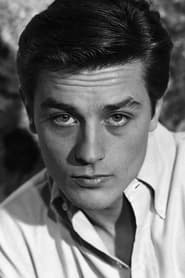
Its saga of migrants, brothers and violent loyalty can be felt in The Godfather and in Martin Scorsese's work, especially the boxing world of Raging Bull and his early neighbourhood dramas. It also made Alain Delon a European screen idol, his gentle, self-sacrificing Rocco fixing an image of beauty and vulnerability.
Its reputation has grown steadily. It is now seen as one of the central Italian films of its decade, and as Visconti's most complete fusion of social realism and melodrama. It is often cited when people discuss Italy's postwar migration, the economic boom and the prejudice southerners met in northern cities. Restored screenings, including a well-publicised one in 2015, let new audiences see it as Visconti intended.
What happens
Simone stabs Nadia to death by the river while Rocco fights in front of a crowd. Ciro turns his brother in to the police. The family's loyalty gives way to a hard choice, and the city has broken them.
The last line
Rocco will one day return to the village.
What it says
Ciro, who has adapted to Milan, says Simone had to be stopped and the family must start anew. Luca, still dreaming of the south, clings to home. The film asks what a family keeps and what it leaves behind when it leaves home to survive.
Or follow an idea from this film
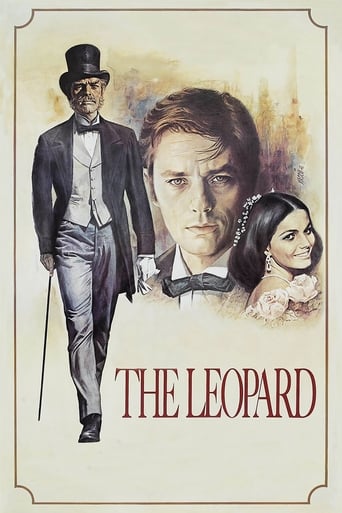

Continue the director
The Leopard (1963)
Visconti's next great epic swaps Milan's tenements for Sicilian aristocracy, but it keeps his interest in a social order giving way to modern change.
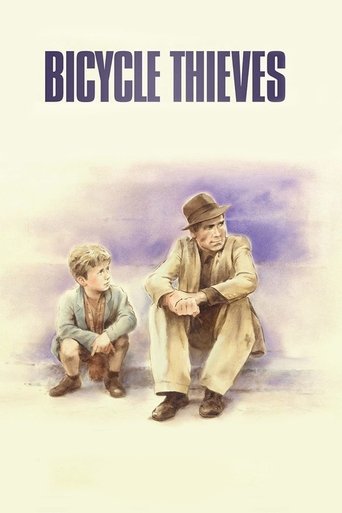
See what influenced it
Bicycle Thieves (1948)
The foundation of Italian Neorealism shows the street-level style and social concern from which Rocco grows and then exceeds.
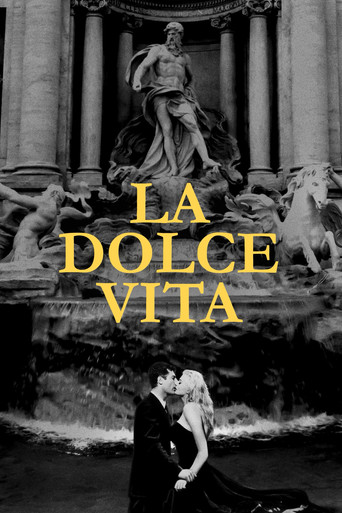
Explore the era or movement
La Dolce Vita (1960)
Released the same year, Fellini's film shows another side of Italy's boom, with affluence and emptiness where Visconti shows migration and labour.
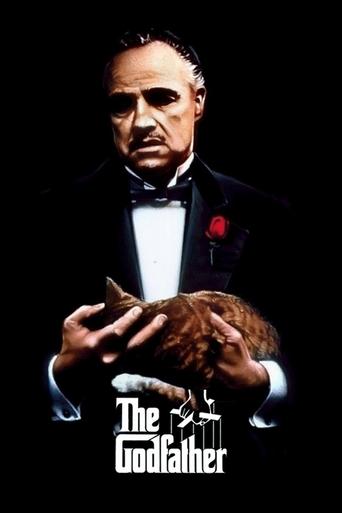
Follow the idea
The Godfather (1972)
A family saga about immigrants, loyalty and violence, told with similar operatic scale.
See its influence
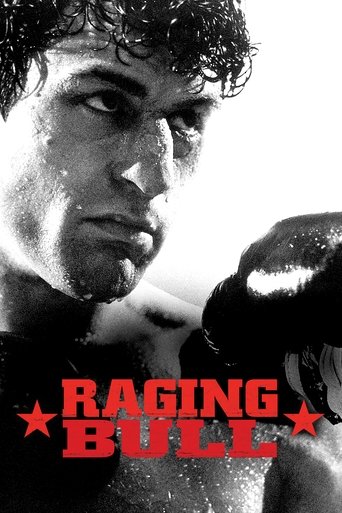
Raging Bull (1980)
Scorsese's boxing film inherits the black-and-white photography, brotherly conflict and physical intensity found in Visconti's film.