Comedy · Drama · Romance
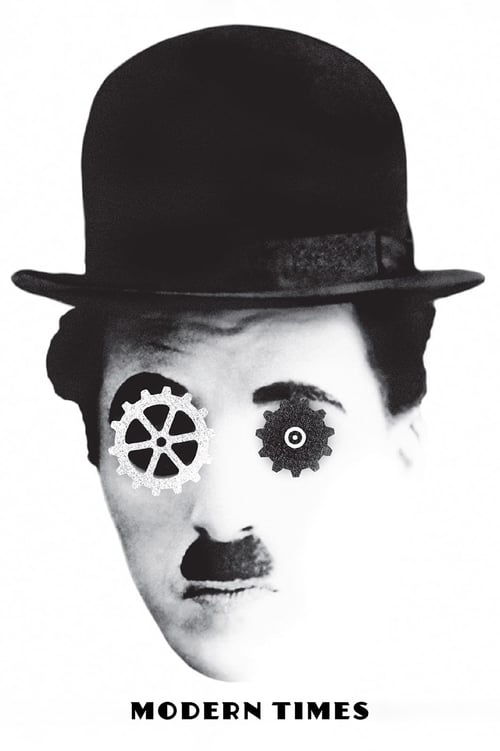
Modern Times
American
1936 · Directed by Charlie Chaplin · 87 min


Comedy · Drama · Romance
American
1936 · Directed by Charlie Chaplin · 87 min

Meaning, unpacked
Central idea
The film can be read as a comedy about dignity under modern conditions: how factories, welfare systems, prisons and the economy ask people to behave like parts, and how affection and play keep two people human.
What it means
Modern Times follows a factory worker ground down by the assembly line. He drifts through jails, jobs and hospitals, finds a partner, and the two of them walk off down an open road. But the film is really about dignity. It asks what happens when factories, welfare systems, prisons and the economy all ask people to behave like parts, and its answer is that affection and play are what keep two people human.
Chaplin builds that idea out of movement. The line reshapes the Tramp's body, so even away from work he keeps twitching and tightening bolts. The department store scene, where he roller-skates through a world of plenty, is the film's most joyful moment, and it stings, because that abundance is exactly what the couple cannot afford. Their dream is small: an ordinary home. Even sound serves the theme. Speech lives inside machines, and when the Tramp finally sings, it is gibberish. The last shot matters most: the Tramp and the Gamin walk toward the horizon. Nothing has been solved, but they are still moving, and still together.
Why it mattered
Nearly a decade after talkies took over Hollywood, Chaplin built a feature on pantomime, music and sound effects. He was reluctant to give the Tramp a speaking voice, fearing it would damage the character's universal appeal. His compromise was clever: speech comes through loudspeakers, screens and the boss on a giant monitor, so sound becomes a sign of mechanical authority rather than personal expression. People call it a silent film, but it is not. It has a recorded score, sound effects and machine voices, with dialogue mostly carried by intertitles.
Before anyone tells you what to think: what did you make of it?
Log in to rate it and leave commentsIt takes one click with Google or an email link. You come straight back here.
Rate it, keep your notes, and find the next film.
Free, no ads. Your journal, your lists, a Cine Guide that remembers you.
Create your free spaceIt also brought the hard times of the Depression into comedy. In the early 1930s Chaplin had toured Europe and Asia and seen the effects of unemployment and unrest, and that shows in the film's attention to factory work and hunger. Its gags work like dance, moving from a clear rule to a surprising twist, with the body doing the thinking. Chaplin also composed the score himself.
Audiences and most critics responded warmly, and the film was a commercial success, though less so than City Lights. Some reviewers noted its political edge. In some places it was criticised as sympathetic to leftist views, and it was banned or cut in a few countries. Neither the Academy Awards nor Cannes recognised it. A German sound-film company also argued that the factory scenes borrowed from René Clair's À nous la liberté, but that did not stop the release, and Clair himself was reportedly dismissive of the complaint.
Its reputation has grown steadily. The feeding machine and the giant gears are known even to people who have never seen the film, and the title is still invoked by journalists, economists and historians when they debate automation and the cost of efficiency. Its gears and mechanised dining became a common reference for satires of modern work, and Jacques Tati's films about technology and social order draw on its mix of physical comedy and design. Today it is treated as one of Chaplin's best works, and as an enduring image of the individual against industrial modernity.
What happens
After another escape from the authorities, the Tramp and the Gamin sit by the road at dawn. She is in tears, and he tells her to be brave. They get up and walk off together, with nothing settled but nothing lost.
The last image
The Tramp and the Gamin walk side by side down the open road toward the horizon.
What it says
The film never fixes the world it satirises, so it cannot honestly end with a cure. Instead it ends on what has held up throughout: two people with no security who keep moving, together. That is its answer to being treated like parts.
Or follow an idea from this film

Continue the director
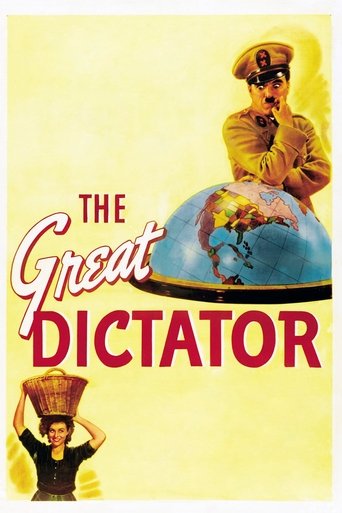
The Great Dictator (1940)
Chaplin's first full sound film and his sharpest political satire, a natural step to see how he used speech once he stopped avoiding it.
Continue the director
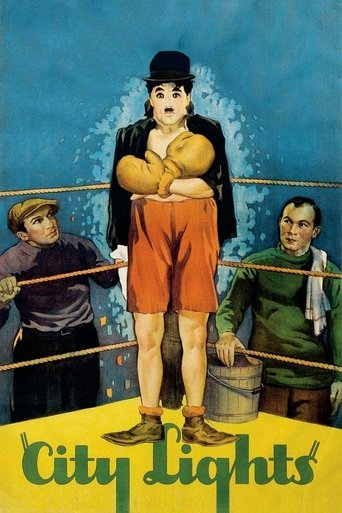
City Lights (1931)
The film that came just before, and a purer example of the Tramp romance with a synchronised score and no spoken dialogue.
Follow the idea
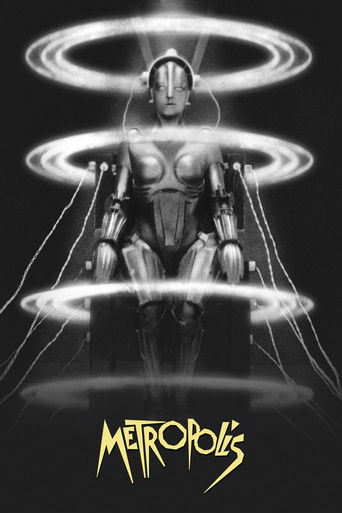
Metropolis (1927)
Fritz Lang's vision of workers tied to machines is the dramatic counterpart to Chaplin's comic treatment of the same fear.
See its influence
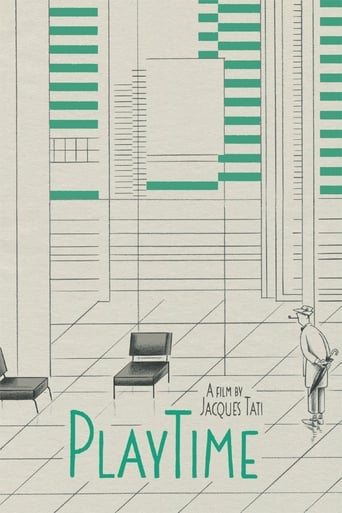
PlayTime (1967)
Tati's elaborate comedy about glass-and-steel modernity extends Chaplin's idea that designed environments shape human behaviour.
Compare another approach
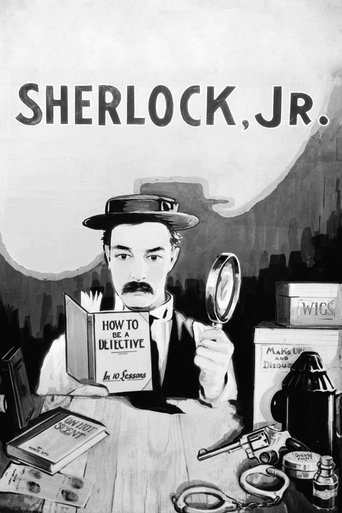
Sherlock Jr. (1924)
Buster Keaton's stunt-driven silent comedy shows a different approach to machines and physical invention, cooler and more precise than Chaplin's sentiment.