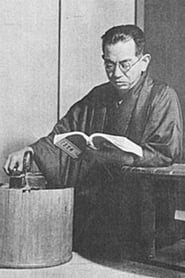
Drama
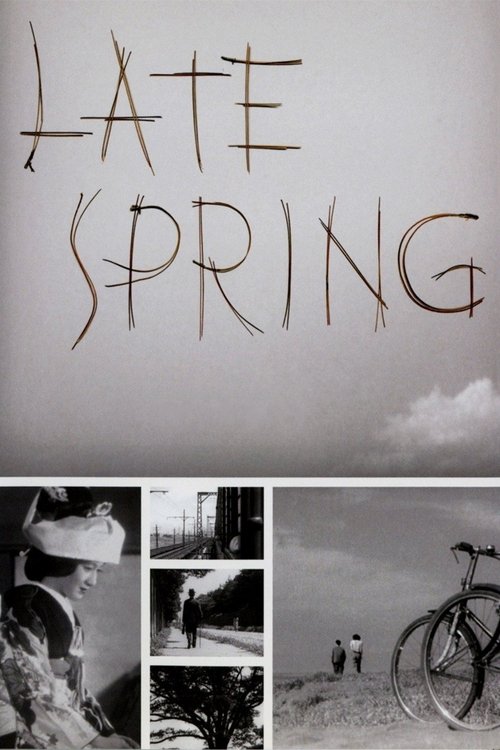
Late Spring
Japanese (晩春)
1949 · Directed by Yasujirō Ozu · 108 min


Drama
Japanese (晩春)
1949 · Directed by Yasujirō Ozu · 108 min
Meaning, unpacked
Central idea
The film explores how love within a family can take the form of letting go, and how the natural flow of life, with its marriages and partings, brings both fulfilment and loss. It can be read as a quiet portrait of change, accepted with grace and sorrow.
What it means
Late Spring is about a widowed father, his daughter Noriko, and relatives who keep saying it is time she married. She would rather stay by his side. He arranges her marriage through a deception, and the film leaves him alone in the house.
Its central idea is that love inside a family can mean letting go. Marriages and partings are simply how life flows, bringing fulfilment and loss together. The father accepts being alone so his daughter can have a future, and the deception is the price. The film also takes Noriko's reluctance seriously, and the deepest feelings go unspoken. At the Noh performance, one small gesture from her father shifts her feelings without a word of explanation.
Why it mattered
Late Spring is where Ozu's mature postwar style settled. The camera sits low, near seated eye level, and does not move. Characters often speak almost straight into the lens, and Ozu will break the usual continuity rules to keep a frame balanced. The result is intimate and slightly dreamlike.
It also showed how much a story can carry when it refuses to raise its voice. At the Kyoto inn, Ozu cuts to a vase and holds the shot, never explaining it. These brief cutaways, often called pillow shots, mark time and place and give you room to bring your own feeling. The film is built from small ordinary events rather than dramatic climaxes, so when Noriko's calm finally breaks into hurt and anger, it lands with great force.
Before anyone tells you what to think: what did you make of it?
Log in to rate it and leave commentsIt takes one click with Google or an email link. You come straight back here.
Rate it, keep your notes, and find the next film.
Free, no ads. Your journal, your lists, a Cine Guide that remembers you.
Create your free spaceLate Spring set the pattern for Ozu's later family dramas, including Tokyo Story. Its stillness, low camera and use of pauses shaped Hou Hsiao-hsien, Edward Yang and Hirokazu Kore-eda, and it became a reference point for slow, observational cinema. The story of a widowed father persuading a reluctant daughter to marry became a recurring template in Japanese family drama.
In Japan it topped the Kinema Junpo critics' poll for 1949. Abroad, Ozu was little known then, and Western audiences came to him slowly. As his name spread from the 1960s on, the film's standing grew. Today it is regarded as one of his finest, often called the clearest statement of his mature approach. It is routinely taught as the way into his style, and the vase shot is a classroom favourite.
What happens
Noriko marries and leaves. At home, Shukichi admits to a friend that his promised remarriage was a lie, told so she would go. Now he is alone in the empty house.
The last image
Shukichi sits alone in the quiet house, peeling an apple, and slowly lowers his head.
What it says
Love sometimes means letting go. The father pays for his daughter's future with his own loneliness. Ozu ends on that silence, not the wedding, because the cost of the gift is where the feeling lives.
Or follow an idea from this film
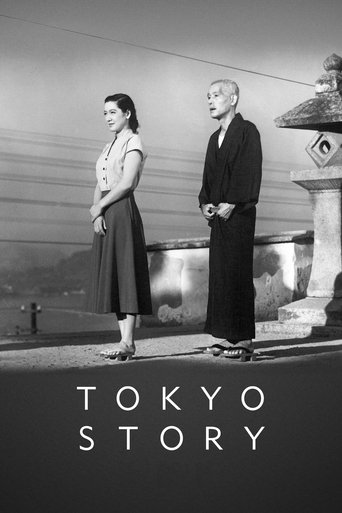

Continue the director
Tokyo Story (1953)
Ozu's best-known film, with Setsuko Hara and Chishū Ryū again. It widens the view from one father and daughter to a whole family and moves toward even greater sadness.
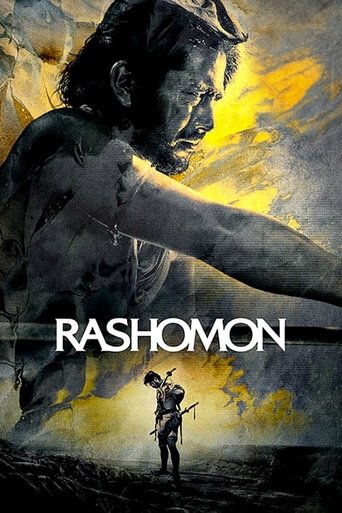
Explore the era or movement
Rashomon (1950)
Released a year later, it shows a very different side of Japan's postwar golden age: stylised, dynamic and openly about the instability of truth.
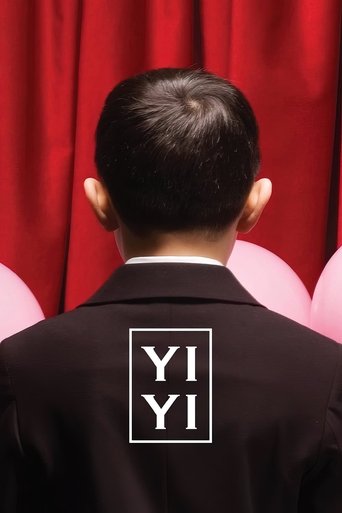
See its influence
Yi Yi (2000)
Edward Yang's Taiwanese family portrait carries Ozu's patience and humane attention to generations of one household, in a modern setting.
Follow the idea
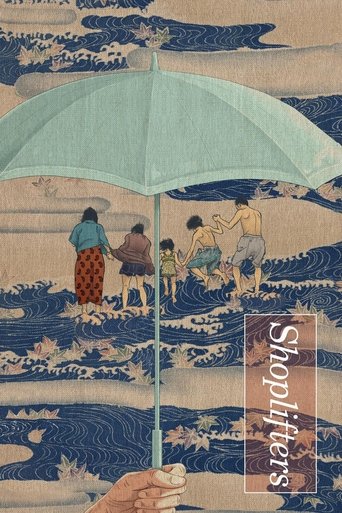
Shoplifters (2018)
Kore-eda's film explores what makes a family and how love and obligation are expressed in daily life, in a tradition descended from Ozu.
Compare another approach
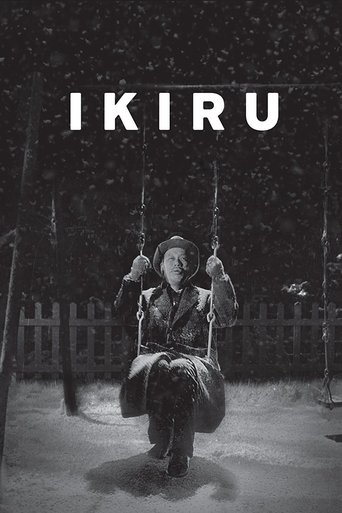
Ikiru (1952)
Kurosawa's film also looks at an older man and the shape of a life in postwar Japan, but with a bolder visual style that sharpens the contrast with Ozu.