Drama · Fantasy · Romance
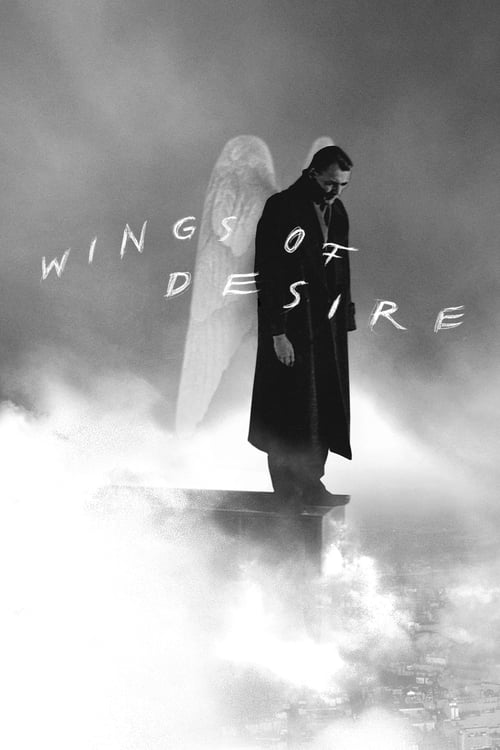
Wings of Desire
German (Der Himmel über Berlin)
1987 · Directed by Wim Wenders · 128 min


Drama · Fantasy · Romance
German (Der Himmel über Berlin)
1987 · Directed by Wim Wenders · 128 min





Meaning, unpacked
Central idea
The film can be read as an argument for the value of ordinary, bodily, finite life. Eternal observation is shown as a kind of loneliness, and being mortal as the price and the gift of actually participating in the world.
What it means
An angel listens to a divided city, grows tired of only watching, and chooses to become human. That is all the story you need, because this film was never really about plot.
What it offers instead is an argument for ordinary life: bodily, finite, mortal life. The angels see everything and feel nothing directly, and eternal observation turns out to be a kind of loneliness. Being mortal is both the price and the gift of actually taking part in the world. The film never pretends that becoming human is safe. Love appears as an answer to the thoughts the angels overhear, which are mostly anxious and solitary, but it is a fragile answer.
Memory and childhood run alongside. Berlin's wartime past is in the ruins, and in an old poet's search for a square he can no longer find. The Wall gives the film its horizon, with borders and crossings returning again and again. The recurring poem, "When the child was a child," treats innocence as a lost way of paying attention, one adults might partly win back.
Why it mattered
Wings of Desire arrived in 1987 as a late high point of postwar German art cinema, and it showed that a metaphysical fantasy could be built from poetry, place and image rather than spectacle. It had no conventional screenplay. Wim Wenders worked from an outline and wrote scenes close to the day of shooting, while the poet Peter Handke supplied the poetic passages. So the film moves like music, in movements rather than plot beats.
Its look and sound were part of the invention. Henri Alekan's camera floats and glides between figures, often with no reason in the action, and the soft monochrome gives the angels' world the texture of memory and painting. Colour arrives with the human world. In the library scene the soundtrack fills with overlapping inner voices, so thought becomes a landscape to move through. It was shot mostly on location in West Berlin, which makes the city itself a third lead.
Before anyone tells you what to think: what did you make of it?
Log in to rate it and leave commentsIt takes one click with Google or an email link. You come straight back here.
Rate it, keep your notes, and find the next film.
Free, no ads. Your journal, your lists, a Cine Guide that remembers you.
Create your free spaceAt Cannes in 1987, Wenders won Best Director, and the film was also nominated for the Palme d'Or. Critics praised its imagery and emotional gravity, though some found it too abstract or sentimental. It became an international arthouse success and strengthened Wenders's standing after Paris, Texas.
Its reputation has only grown. When the Wall fell in 1989, the film became a record of a vanished city, with streets and empty ground that have since changed beyond recognition. Many now see it as Wenders's finest work and a touchstone of European art cinema, admired more for its feeling than for its fantasy. Wenders made a sequel, Faraway, So Close!, in 1993, and Hollywood remade it as City of Angels in 1998. Handke's child poem is still quoted and recited on its own, far from the film.
What happens
Damiel falls to earth, becomes human, and finds Marion at a Nick Cave concert. She speaks of choosing love rather than leaving it to chance. The film ends on her circus act, with Cassiel still watching.
The last image
Marion performs on the trapeze at the circus while Cassiel, still an angel, watches from the crowd.
What it says
Damiel's choice is the film's answer to eternal watching: mortal, bodily life is worth its risks. The ending stays with Cassiel, still observing, because the film wants you to leave looking at the world as if you might lose it.
Or follow an idea from this film


Continue the director
Paris, Texas (1984)
Wenders's previous major film shares the same slow, image-driven approach, a contemplative drama of searching and separation set in the American landscape.
See what influenced it
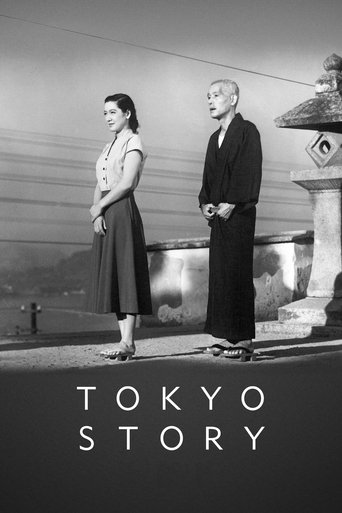
Tokyo Story (1953)
Ozu's patient, humane cinema is one of Wenders's declared touchstones, and it shows what the film's gentle attention to ordinary life owes to him.
Compare another approach
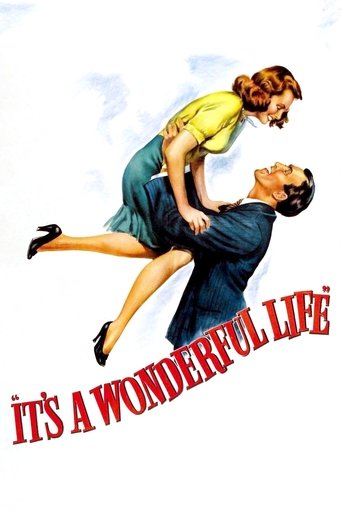
It's a Wonderful Life (1946)
Another film in which an angel intervenes in human life. Comparing it shows how differently Hollywood sentiment and European metaphysics treat the same idea.
Follow the idea
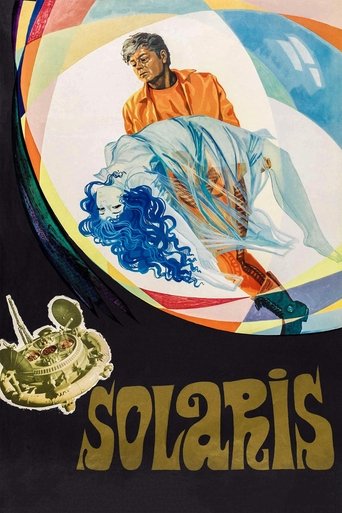
Solaris (1972)
Tarkovsky, one of the dedicatees, explored memory, longing and the limits of human perception in another slow, contemplative film that treats fantasy as a way to examine feeling.