

Drama · Family · Fantasy
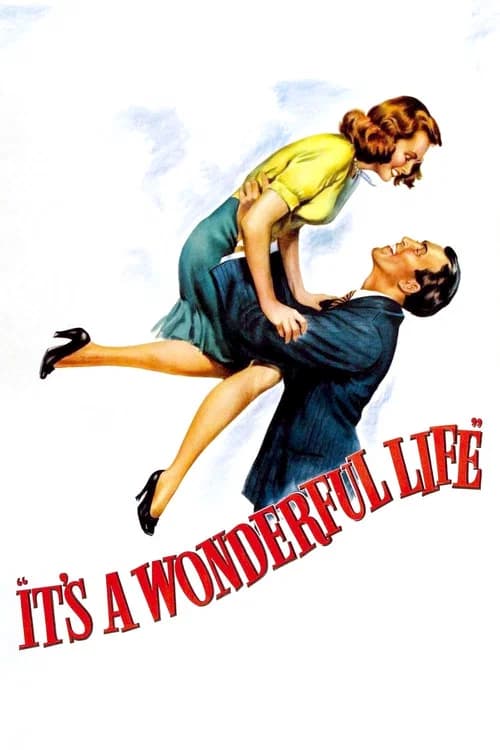
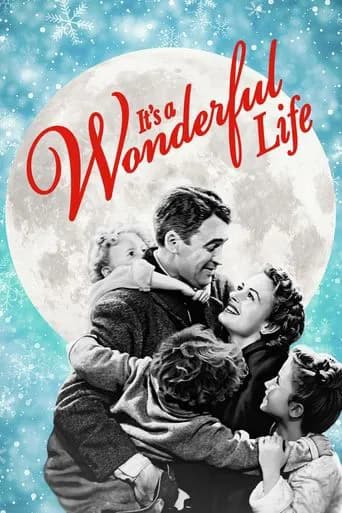
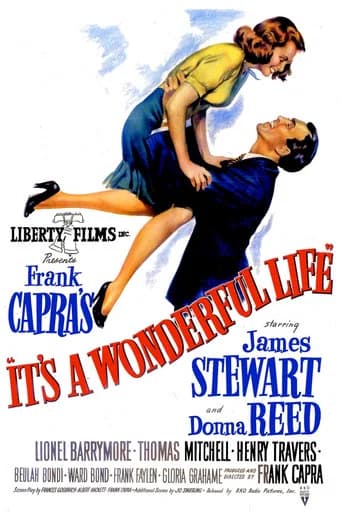
It's a Wonderful Life
Avg rating 8.8 / My rating TBC
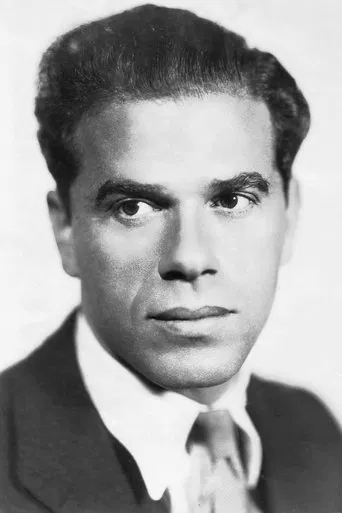
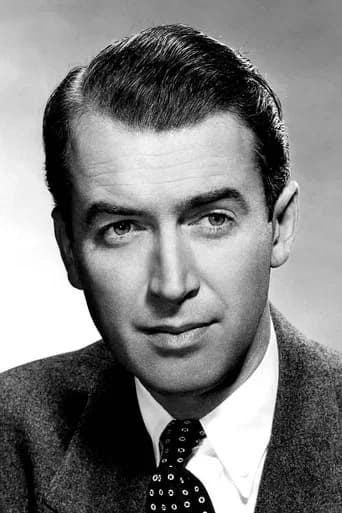
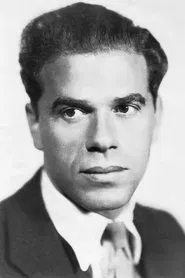
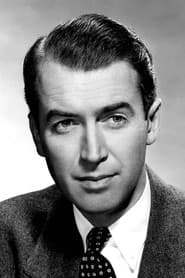
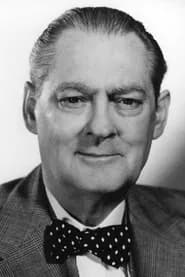
1946 · Directed by Frank Capra · With James Stewart, Donna Reed, Lionel Barrymore
- Classical Hollywood
- Fantasy
- Melodrama
In the small town of Bedford Falls, George Bailey runs a modest building and loan company and is known to everyone as the man who always helps. On Christmas Eve, a sudden money crisis threatens everything he has built. A warm, funny, increasingly serious American fable about community and money.
Film info
- Runtime
- 2h 11m · 131 min
- Format
- Black and white, standard Academy ratio, 131 minutes. Colourised versions exist, but the original black and white is the version to see.
- IMDb
- 8.6 / 10 (552,062 votes)
- Rotten Tomatoes
- 94% (critics)
- Metacritic
- 89 / 100
- TMDB
- 8.3 / 10 (audience, 5,081 votes)
- Trailer
- ▶ Watch the trailer

Before watching
Spoiler-free · about 2 minutes
Short on time? Spoiler-free
A 3-minute summary
Why watch this?
Frank Capra's best-loved film and James Stewart's great postwar role
Capra's first film after returning from wartime service and Stewart's first after his own air force years, it distils the director's populist vision and turns Stewart's decency into something strained and human.
A Hollywood classic that began as a disappointment
It was not a hit on release. Its status as a Christmas fixture grew over decades, so watching it shows how a film's reputation can be made long after its premiere.
Sentiment with real darkness underneath
Behind the warmth lies a film about frustrated ambition, debt and fear. The tension between a small town's comfort and a life of unmet dreams is what gives it weight.
Why it matters in cinema history
A defining film of Hollywood's classical studio era and of Capra's humanist populism, made at the point where postwar anxiety began to darken even the most optimistic American stories.
Watch with intention
Your lens
Watch it as a portrait of one man's ordinary life, and notice how the film makes small choices and sacrifices feel weighty.
Three things to notice
- How James Stewart's performance changes across the film, from boyish ease to a more tense, volatile energy, especially in how he speaks and moves.
- How Bedford Falls is built as a believable community, with a crowded street, recurring faces and a sense that everyone knows everyone.
- How the film uses money, from deposits to loans to cash, as an engine of pressure rather than just a plot device.
One question to carry with you
What does a good life actually consist of, and who gets to decide whether a person's life has counted for something?
- Director's moment
- Capra, famous for 1930s populist comedies, had spent the war making military documentaries. This was his first fiction feature in years and the first release of his independent company, Liberty Films.
- Industry
- The studio system was at its commercial peak, but independent production was gaining ground. Capra and stars like James Stewart were rethinking how to work outside long studio contracts.
- Audience
- Postwar viewers were adjusting to returning soldiers, economic worry and disillusion. Wartime reassurance was giving way to more uneasy, psychologically probing stories.
- Dominant styles
- Film noir and tough social dramas were rising in 1946. A big-hearted small-town fable with a moral message was becoming less fashionable.
Where it came from
Film
Mr. Smith Goes to Washington (1939)
Capra's earlier tale of an honest ordinary man under pressure from powerful interests, also starring James Stewart, sets out the populist outlook this film inherits.
Tradition
Victorian Christmas storytelling
Dickens-era holiday tales tied seasonal warmth to money, generosity and moral duty, and shaped the film's seasonal setting and social concerns.
Film
It Happened One Night (1934)On Cinespective
Capra's breakthrough hit established his talent for blending comedy, romance and a sympathetic view of ordinary people during the Depression.
This film
It's a Wonderful Life (1946)
New at the timeIt brought Capra's sunny small-town idealism into a postwar mood, giving its hero real despair and treating money, debt and disappointment as seriously as goodness.
- Country and moment
- Released in December 1946, as millions of veterans returned home. The US was prosperous but anxious about jobs, housing and the readjustment to peacetime life, and the Cold War was beginning.
- The filmmaker's situation
- Capra had spent the war making military films, including the Why We Fight series. With Liberty Films, an independent company he co-founded, this was his first project after the war and his first as an independent producer-director.
- Society and audience
- The story draws on the Depression-era experience of small-town banks and building-and-loan societies, and on the ideal of community self-help. Postwar audiences were looking for reassurance, but the film is often darker than its reputation suggests.
- Economy
- The film was costly and the box office was disappointing, and it did not recoup its budget on first release. Liberty Films was soon sold to Paramount. Its status as a Christmas favourite came decades later.
- Pace
- Unhurried and episodic. Much of the film is a patient build-up of character before the main crisis fully takes hold.
- Tone
- Warm, humorous and sentimental, with sudden stretches of real anguish. It is more emotionally raw than its reputation suggests.
- Performance
- Classical Hollywood naturalism with a big supporting cast of character actors. Stewart's emotional range is the centre.
- Format
- Black and white, standard Academy ratio, 131 minutes. Colourised versions exist, but the original black and white is the version to see.
- Language
- English. Dialogue is quick and period-specific, with plenty of 1940s slang and small-town banter.
8+
Suggested age
Older children
Official ratings range from U (GB, FR) to FSK 6 and PG (US), so none imply a minimum. Eight suits its length, black-and-white look and heavy emotional themes.
Official ratings
- USPG / NR
- UKU
- Germany6
- FranceU
Good for
A warm, classic Christmas story with a gentle sense of humour, a kindly angel, and a hopeful message about community, family and the value of an ordinary life.
May unsettle
- Mature themes: Serious emotional distress and sensitive adult subject matter are treated sincerely. Younger children may have questions, so be ready to talk afterwards.
- Peril: A few brief moments of danger, mostly shown without graphic detail, though some may worry sensitive younger viewers.
- Intensity: The tone shifts from warm and funny to emotionally heavy in places, with angry confrontations and raised voices.
- Pace: Black-and-white, over two hours, with a slow, talky first half that may test the patience of younger children.
Explain first
- It was made in 1946 and is in black and white, so the look and pace differ from modern family films.
- The story involves a small-town lender that helps neighbours buy homes, and a rich banker who wants control. Money worries drive much of the plot.
- It is a Christmas fantasy, so angels appear as characters, and the story moves back and forth in time.
Talk about it after
How can one person's everyday kindness affect others, even when they never see the results?
Cinespective's own guidance, a draft: check it against the official ratings and your own judgement. Second opinions: Common Sense Media, IMDb (see its Parents Guide). Ratings from TMDB.