Western
The Wild Bunch
American
1969 · Directed by Sam Peckinpah · 145 min


Western
American
1969 · Directed by Sam Peckinpah · 145 min




Meaning, unpacked
Central idea
The film can be read as a study of men who have a code but no place left to apply it. As the old West disappears, loyalty becomes the only value left to them. Violence is shown as both their profession and the cost of living that way.
What it means
The Wild Bunch follows a gang of ageing outlaws who escape a ruined robbery, ride into Mexico, rob a train, and then choose to go back for Angel. It ends in the massacre at Agua Verde. One good way to read it is as a story about men with a code and no place left to use it. The old West is vanishing around them, and loyalty is the only value they have left. Violence is both their trade and the price of living that way.
The film keeps asking whether that loyalty is real virtue, or just the last structure standing in lives built on betrayal. It never answers cleanly. That is why going back for Angel is the turning point: the story stops being about profit and becomes about loyalty. Notice too that the railroad, the bounty hunters, the temperance marchers and the army are no better than the outlaws. Their violence is simply licensed. And the opening, with children and scorpions, suggests cruelty is learned young.
Why it mattered
In 1969 this was a shock. Peckinpah's team, with editor Lou Lombardo, cut action from many angles and at many speeds, mixing normal speed with slow motion. The rhythm was fast, fragmented and almost musical, and you felt the physical impact of each shot. Peckinpah said he wanted audiences to feel the cost of bloodshed, not enjoy it.
It also broke the western's old comfort. Instead of clean heroes, you got morally compromised men in a world that no longer needs them or the men chasing them. Many critics were shocked, and some audiences walked out. The film is often read alongside Bonnie and Clyde, which had already used slow motion in its deaths in 1967. Peckinpah did not invent the technique, but he expanded it with multiple cameras and fast cutting.
Before anyone tells you what to think: what did you make of it?
Log in to rate it and leave commentsIt takes one click with Google or an email link. You come straight back here.
Rate it, keep your notes, and find the next film.
Free, no ads. Your journal, your lists, a Cine Guide that remembers you.
Create your free spaceIts fragmented, multi-speed action editing shaped filmmakers such as John Woo and Quentin Tarantino. Its elegiac, compromised outlaws fed later revisionist westerns, including Unforgiven. Lines like "If they move, kill 'em" and Pike's grinning "Let's go" march are still quoted, and film schools teach it as a lesson in rhythmic editing and staged action.
Its reputation has climbed steadily. Reaction at release was sharply divided, and studio cuts shortened the film afterwards. The restored longer version made its structure and emotional logic clearer, and it is now counted among the major westerns. It won neither of its two Oscar nominations, for story and screenplay and for Jerry Fielding's score. Later viewers have also criticised its treatment of women and Mexicans. If you want to go next, start with Bonnie and Clyde, then Unforgiven.
What happens
When Mapache cuts Angel's throat, Pike, Dutch, Lyle and Tector kill him and a huge shootout begins. All four die, taking many soldiers with them. Thornton finds the bodies, then rides off with Sykes and the rebels.
The last image
Thornton and Sykes laugh together and ride away with the rebels, leaving the dead gang behind.
What it says
The gang chooses loyalty over profit, and that choice costs them everything. Yet Thornton's laugh shows the story outlasts them. The ending denies you a clean victory, so you feel the cost of the violence.
Or follow an idea from this film
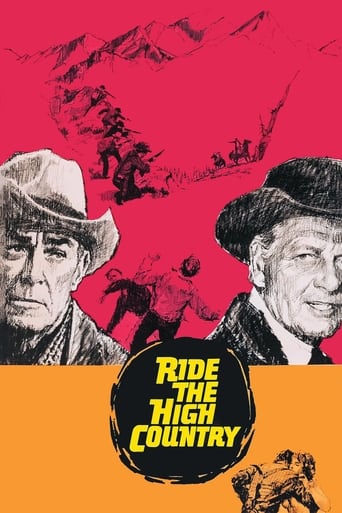

Continue the director
Ride the High Country (1962)
Peckinpah's earlier, quieter western tackles the same ageing-men theme with more restraint, showing how his vision developed before this film.
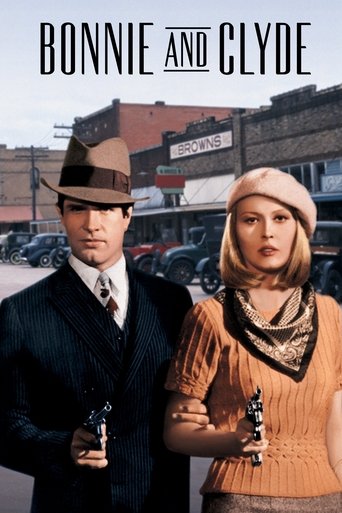
Compare another approach
Bonnie and Clyde (1967)
Another landmark of changing American screen violence from the same period. Compare how each film uses slow motion and audience sympathy for outlaws.
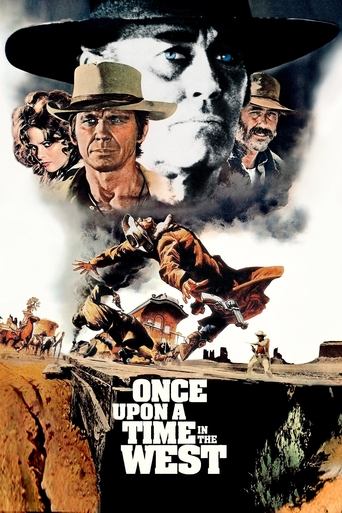
Explore the era or movement
Once Upon a Time in the West (1968)
Sergio Leone's elegy for the old West came a year earlier and shares the theme of a vanishing frontier, in a more operatic style.
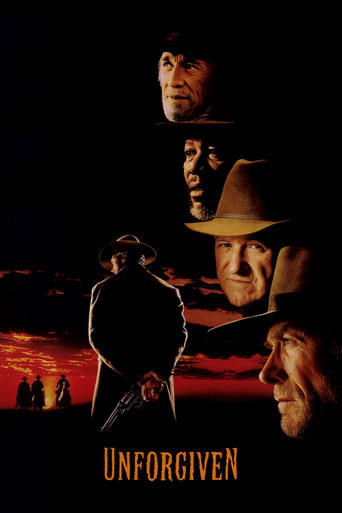
See its influence
Unforgiven (1992)
Eastwood's revisionist western shows how the questions Peckinpah raised about violence and legend were carried into later decades.

See what influenced it
Seven Samurai (1954)
Kurosawa's film of professionals bound by a code helps explain Peckinpah's ensemble structure and his approach to cutting action.