Adventure · Drama · Western
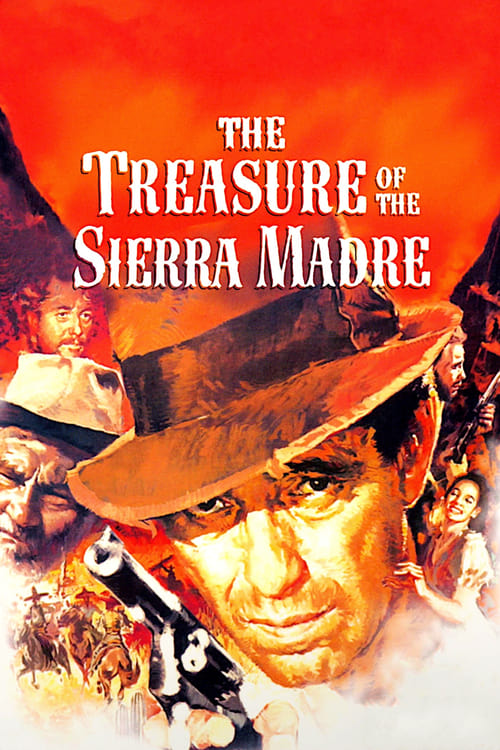
The Treasure of the Sierra Madre
American
1948 · Directed by John Huston · 126 min


Adventure · Drama · Western
American
1948 · Directed by John Huston · 126 min


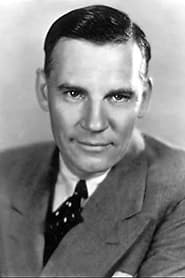
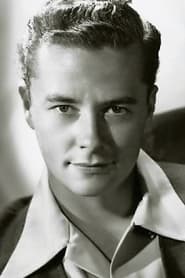
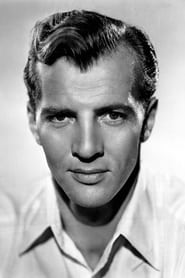


Meaning, unpacked
Central idea
The film can be read as a study of how desire for wealth tests character. The mountains and bandits are real threats, but its main interest is what the gold does to the men's trust in one another and in themselves.
What it means
Three down-and-out men go looking for gold in the Mexican mountains, and they find it. Then the real trouble starts, and it comes from inside the partnership. The bandits and the mountains are real threats, but John Huston is more interested in what gold does to trust. The men begin with shares, rules and a handshake. Once the prize is in front of them, that fairness frays fast.
Howard's warning in the flophouse sets up a moral experiment: he explains gold fever, the others laugh, and they go anyway. You then watch Dobbs's mistrust grow from a habit of mind into a sickness. Howard, who knows exactly what gold does and goes anyway, is the quiet puzzle, and the film finds both comedy and sadness in him. It is sceptical about labour too: gold is dug out by exhausting work, yet luck, cheats and bandits decide who keeps it. At the end the wind scatters the gold dust and Howard laughs. Dobbs is greed eating a man, but Howard's laugh is the better lesson. The gold was never the point, and the mountain was never listening.
Why it mattered
In its time, the film pushed Hollywood toward harder, more morally ambiguous stories. The danger here is not only outside: the bandit attack is loud and external, but what the partners pose to each other is intimate, and worse. Huston shows Dobbs's paranoia by the water through gesture and framing alone, with no narrator and no speech. And Bogart, a star audiences knew well, plays a man with none of his earlier polish.
It also took Hollywood outside the studio. Huston shot substantial parts in Mexico, so the heat, dust and rough terrain stayed in the picture. One myth needs correcting: it was not shot entirely on location, and some filming was done in California. Ted McCord's clear, sunlit photography makes the cruelty feel matter-of-fact, and Max Steiner's score is used sparingly, leaving natural sound and silence to keep the tension dry rather than operatic.
Before anyone tells you what to think: what did you make of it?
Log in to rate it and leave commentsIt takes one click with Google or an email link. You come straight back here.
Rate it, keep your notes, and find the next film.
Free, no ads. Your journal, your lists, a Cine Guide that remembers you.
Create your free spaceIts influence runs through stories in which a shared quest collapses into suspicion, from later westerns and heist films to modern parables of greed. Its Mexican location work also helped make on-location filming more normal in Hollywood adventures. The bandit leader's retort about not needing to show any "stinkin' badges" became one of cinema's best-known misquoted lines, famously reworked in Mel Brooks's Blazing Saddles.
Reviewers praised the performances and the grim candour at the time. The box office was respectable rather than spectacular, and some viewers found it too bitter. It won three of its four Oscar nominations and was also nominated for Best Picture, which confirmed Huston as a major director. Its reputation has only grown since. Viewers who once found it harsh now praise its honesty, humour and economy, and it is seen as one of Huston's finest films and one of Bogart's greatest performances.
What happens
Dobbs shoots Curtin and takes all the gold, then is killed by bandits who, not knowing what the sacks hold, empty the dust and let the wind scatter it. Howard and Curtin find the empty bags and laugh.
The last image
Howard and Curtin part ways, Howard heading back to the village and Curtin setting off for Texas, with the gold gone.
What it says
The ending says gold is only worth what men will destroy for it. The wind and the bandits' ignorance make greed look absurd, and Howard's laugh turns tragedy into dark comedy. The mountain never cared about their plans.
Or follow an idea from this film

Continue the director
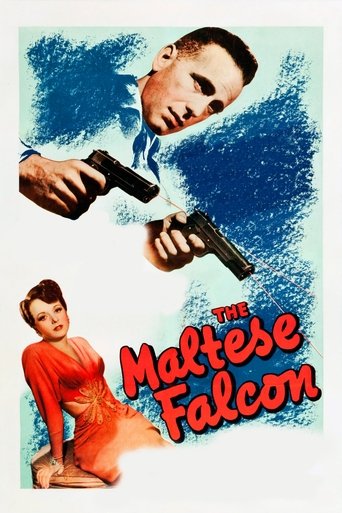
The Maltese Falcon (1941)
Huston's debut pairs him with Bogart for the first time. It shows the same wary morality in a tighter, more urban story.

Follow the idea
The Wages of Fear (1953)
A harsh, suspenseful study of men who take enormous risks for money, with similar attention to trust, fear and landscape.
See its influence
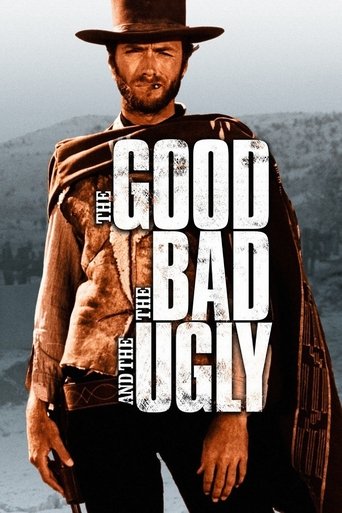
The Good, the Bad and the Ugly (1966)
Leone turns the hunt for buried gold into a sardonic epic, with the same distrust between partners.
Explore the era or movement
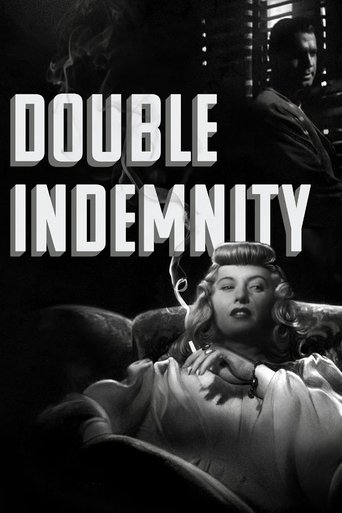
Double Indemnity (1944)
A different postwar-leaning vision of greed and moral decay, shot in shadow rather than desert sun.
Jump forward
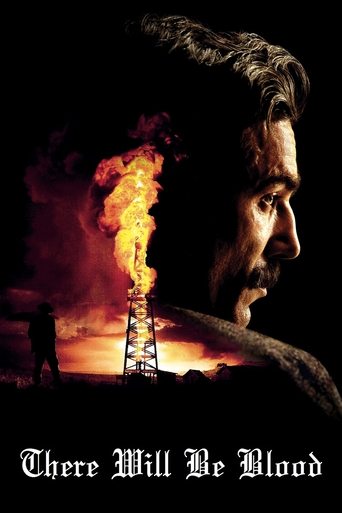
There Will Be Blood (2007)
A modern portrait of obsessive ambition in a desolate setting, built around a towering central performance.