Drama
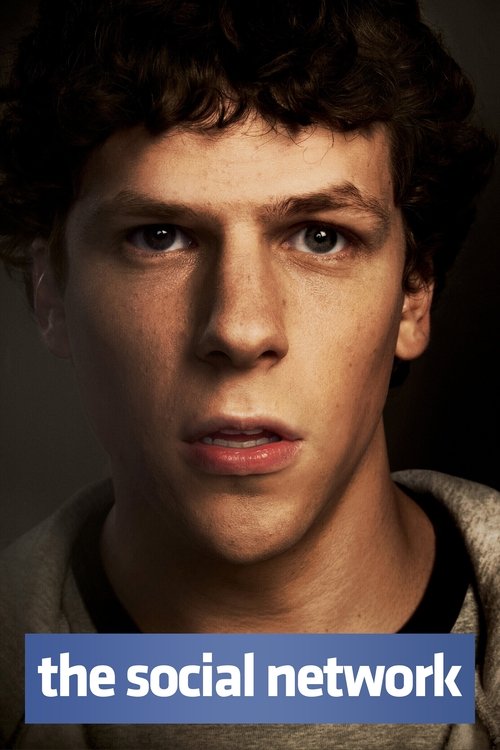
The Social Network
American
2010 · Directed by David Fincher · 121 min


Drama
American
2010 · Directed by David Fincher · 121 min














Meaning, unpacked
Central idea
The film can be read as a story about how invention outruns the people who make it: a brilliant, socially awkward creator builds a tool for connection while losing his own. It treats credit, loyalty and belonging as things that can be coded and broken.
What it means
On the surface, a Harvard student builds a website in one night, and it grows into Facebook. Years later he sits in legal depositions, facing the people he left behind. But the film is about something else.
Its central idea is that invention can outrun the person who makes it. Mark is brilliant and socially awkward, and he builds a tool that connects hundreds of millions of people while losing his grip on the few who were close to him. Ambition runs into loyalty, because founding a company is also the unmaking of friendships. Exclusion drives him too, since the site can be read as a response to being on the outside. And because every witness tells a different version of events, you watch memory, self-interest and the fight to control a story. The film's real question is what you keep when you've connected everyone except yourself.
Why it mattered
When it arrived in October 2010, Facebook was still young. This was among the first major studio films to treat the internet's founders as dramatic subjects, and it brought the adult, dialogue-driven drama back into the mainstream conversation.
Much of its force comes from how it was made. Aaron Sorkin's script interweaves two timelines, with fast, overlapping, combative dialogue, so information, character and conflict arrive in the same lines. Angus Wall and Kirk Baxter cut conversations with exact rhythm, making talk feel kinetic. Jeff Cronenweth's low, amber-and-green light makes Harvard and Silicon Valley feel closed and slightly unnerving. Trent Reznor and Atticus Ross wrote an electronic score that builds dread under ordinary events.
Before anyone tells you what to think: what did you make of it?
Log in to rate it and leave commentsIt takes one click with Google or an email link. You come straight back here.
Rate it, keep your notes, and find the next film.
Free, no ads. Your journal, your lists, a Cine Guide that remembers you.
Create your free spaceCritics largely praised the film on release, especially the script, the direction, the editing and the score. It was a commercial success and dominated the early awards season, earning eight Oscar nominations, including Best Picture, and winning three: adapted screenplay, original score and film editing. The score also led to repeat work between Reznor, Ross and Fincher.
It helped set the template for the tech-founder biopic, and Sorkin's later Steve Jobs follows from it. Its reputation has grown as social media's influence has deepened, and many now find it prescient about tech culture, power and loneliness. It is used in business, law and ethics teaching on founders' disputes, and phrases from it travelled, like "the Winklevii". The argument over its accuracy will probably never end, since Zuckerberg disputed the portrayal, but it is widely treated as a major work of Fincher's career.
What happens
Both lawsuits are settled, and a young lawyer tells Mark he isn't a bad person, only someone trying hard to seem like one. Alone, he sends Erica a friend request, then keeps refreshing the page.
The last image
Mark sits alone in the conference room, staring at his laptop and refreshing the page, waiting for Erica to accept.
What it says
The ending shows that winning cost him what he wanted. Mark has connected hundreds of millions of people, yet he's left waiting on one person who ended things at the start. The film makes you feel that loneliness without a speech.
Or follow an idea from this film

See what influenced it
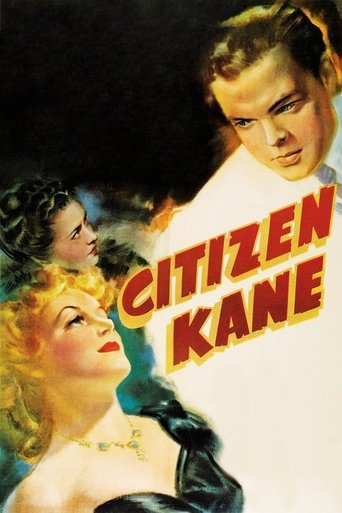
Citizen Kane (1941)
The original portrait of a driven founder, told through the memories of people he used and lost. Its fragmented structure helps explain how The Social Network is built.
Compare another approach
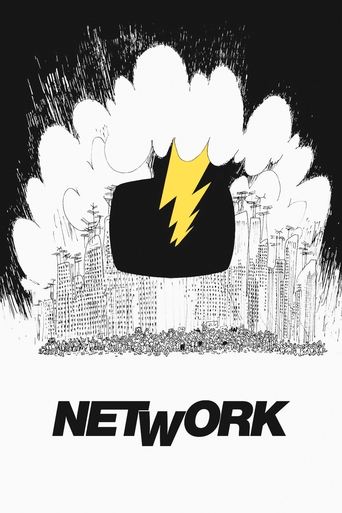
Network (1976)
Another talk-heavy, angry film about media power, written with the verbal intensity that Sorkin later made his own.
Continue the director
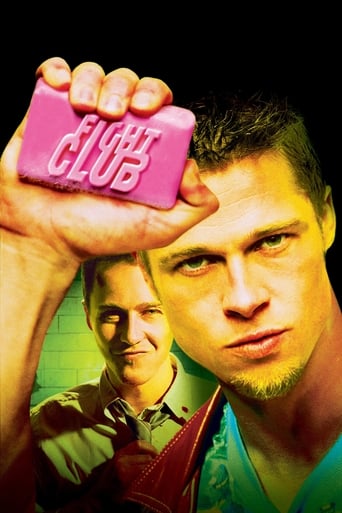
Fight Club (1999)
Fincher's earlier study of male alienation and status, with a similarly sharp visual style and a central character who builds something that escapes him.
Follow the idea
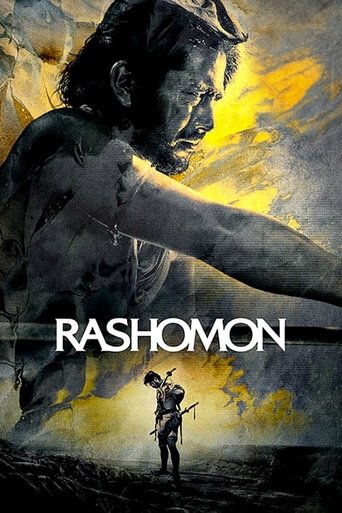
Rashomon (1950)
The classic film about conflicting accounts of one event, a direct ancestor of the testimony structure behind the film's legal frame.
Jump forward
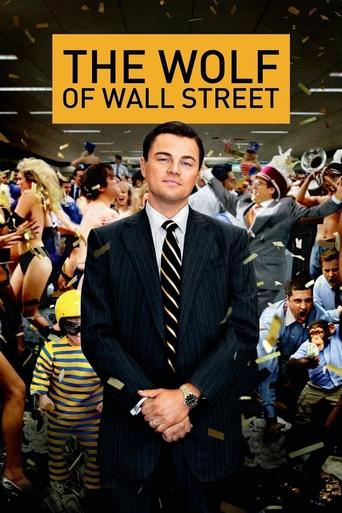
The Wolf of Wall Street (2013)
Another fast, cynical, dialogue-heavy portrait of ambition and money, with a very different tone and the same fascination with a charismatic dealmaker.