Crime · Thriller · Drama
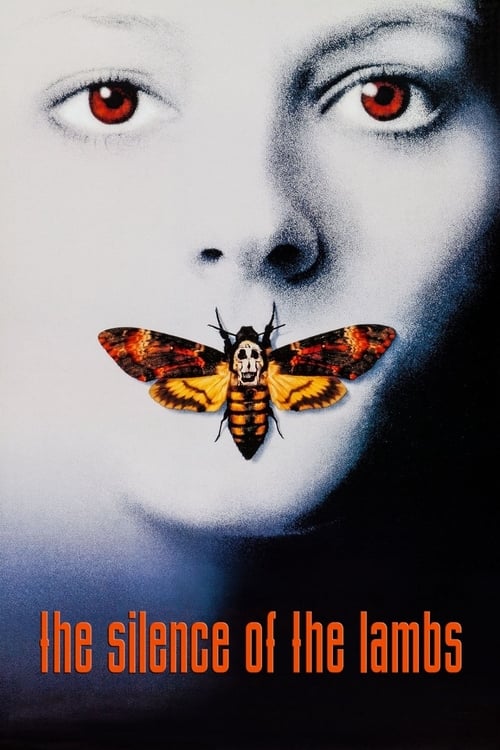
The Silence of the Lambs
American
1991 · Directed by Jonathan Demme · 119 min


Crime · Thriller · Drama
American
1991 · Directed by Jonathan Demme · 119 min









Meaning, unpacked
Central idea
The film explores power and perception: a young woman trying to be taken seriously in male institutions while being read, probed and manipulated by men who want something from her. It can be read as a study of what is hidden behind surfaces and how people change themselves.
What it means
The Silence of the Lambs is not really about catching Buffalo Bill. At its heart, it is about power and perception. Clarice Starling is a young FBI trainee trying to be taken seriously inside male institutions, while colleagues, inmates and superiors all look at her and try to play her. The film turns that scrutiny into a weakness, and then into a source of insight.
Lecter never simply helps; he trades, and every clue costs Clarice a piece of herself. The most painful payment is the lambs, her childhood memory, which gives the title its meaning and explains why she needs so badly to save someone. Around this run quieter themes: characters remake themselves through ambition, disguise or fantasy, and officials condescend and flirt with her as if it were routine. The film asks what is real and what is a costume, and it makes her competence all the more striking.
Why it mattered
The film moved the serial-killer thriller out of lurid pulp and into prestige filmmaking. It is generally classed as a crime thriller, not a horror film, with a procedural structure and a psychological drama underneath. Its fear comes from suggestion and character, not cheap shocks. Howard Shore's brooding score, silence and ambient noise do the work, and Tak Fujimoto's naturalistic lighting and tight close-ups turn ordinary rooms cold and uneasy.
Jonathan Demme's boldest choice was to have actors look close to the lens. In the first cell meeting, you feel Lecter speaking to you, as Clarice does, and the safe distance of an ordinary thriller dissolves. In the basement finale, the editing misleads you about where the danger is, then night vision takes away Clarice's sight. Looking and being looked at becomes pure suspense. The film also shifted focus from the male investigator, as in Manhunter, to Clarice.
Before anyone tells you what to think: what did you make of it?
Log in to rate it and leave commentsIt takes one click with Google or an email link. You come straight back here.
Rate it, keep your notes, and find the next film.
Free, no ads. Your journal, your lists, a Cine Guide that remembers you.
Create your free spaceReleased in February 1991, it was a commercial hit and critics praised it. At the Academy Awards it won five of its seven nominations: Best Picture, Director, Actor, Actress and Adapted Screenplay. That is unusual for a film with this subject, and only two earlier films had swept those five. It set the template for the prestige serial-killer thriller, influencing films like Se7en and the television series Hannibal, and made brilliant, charming monsters and capable female investigators standard figures. Lecter's mask, his stare and the fava beans and Chianti line are endlessly imitated, and the title became a template for puns.
Today it is regarded as a modern classic, Lecter as one of cinema's most famous villains, and Clarice as an important screen heroine. But the portrayal of Buffalo Bill drew protests at once for demeaning gay and trans people. Critics still discuss it as a problematic stereotype, and that criticism is now part of how the film is understood.
What happens
Clarice shoots Buffalo Bill in his dark basement and saves Catherine Martin. At her graduation, Lecter phones from freedom, hinting he will hunt a former tormentor, then vanishes into a crowd. The killer is stopped, but the monster walks free.
The last image
Lecter, a smiling figure in the crowd, follows his chosen prey and disappears among strangers.
What it says
Clarice wins by facing the dark and trusting her own senses, not the system around her. Lecter's freedom shows institutions can't contain a brilliant manipulator. His call suggests that the bond between them, built on being truly seen, outlasts the case.
Or follow an idea from this film

See what influenced it
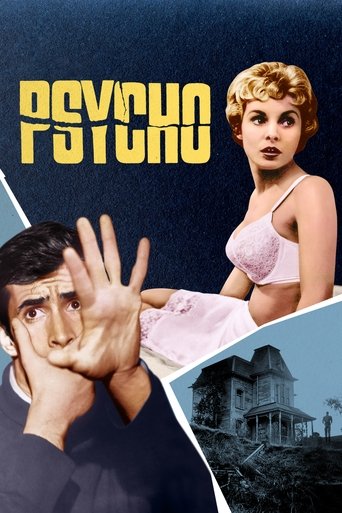
Psycho (1960)
Hitchcock's landmark shows the template of a hidden, disturbed killer and a female protagonist drawn into danger, helping to place Demme's film in the tradition.
See its influence
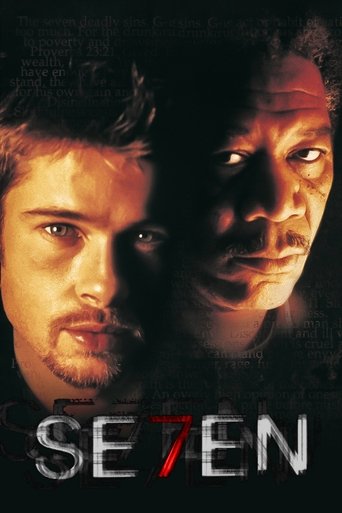
Se7en (1995)
A darker, more pessimistic serial-killer thriller that shows how the genre developed after Demme's film.
Compare another approach
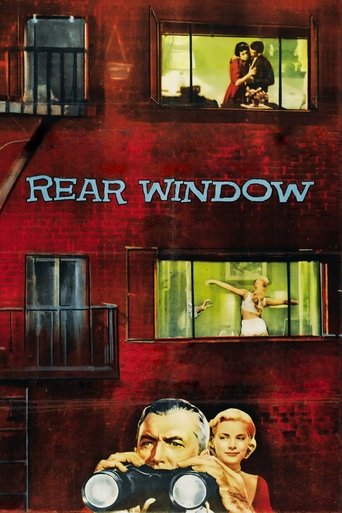
Rear Window (1954)
Another thriller built on looking, voyeurism and a confined point of view, though with a very different tone and conclusion.
Explore the era or movement
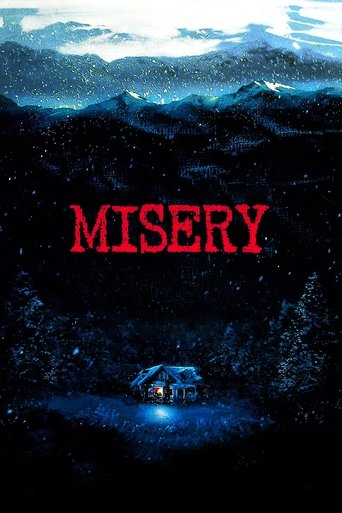
Misery (1990)
A tense two-person psychological thriller from just before Lambs, and another Oscar-winning performance in a dark genre piece.